Growing tomatoes and peppers successfully requires more than just sunlight and regular watering. Healthy soil nutrition plays a major role in plant growth, fruit production, disease resistance, and overall flavor. Many gardeners experience weak plants, yellowing leaves, blossom drop, or disappointing harvests because nutrients are either unbalanced or applied at the wrong stage of growth.
Choosing the right fertilizer for tomatoes and peppers can significantly improve the outcome of an entire growing season. These plants are considered heavy feeders, especially once flowering and fruiting begin. Early growth typically benefits from balanced nutrition, while later stages require increased phosphorus and potassium to support healthy fruit development.
Many home gardeners assume all fertilizers work in the same way, but plant performance is influenced by several factors. Nutrient ratios, soil condition, watering habits, application timing, and fertilizer source all contribute to the health of the crop. Organic compost, fish emulsion, calcium-rich blends, granular fertilizers, and liquid plant food each serve a different purpose in the garden.
This guide explains how to choose the best fertilizer for tomatoes and peppers, when to apply it, how often to feed plants, and which nutrients matter most. It also covers common feeding mistakes, organic and synthetic options, and practical strategies experienced growers often rely on to improve harvest quality and increase yields.
Why Tomatoes and Peppers Need Specialized Fertilizer
Tomatoes and peppers belong to the nightshade family and share many of the same nutritional requirements. Both plants need nitrogen, phosphorus, potassium, calcium, magnesium, and trace minerals to develop strong stems, healthy foliage, and productive fruit.
When nutrients become unbalanced, plant performance can decline quickly. Excess nitrogen may create large green plants with very little fruit. Low calcium levels often contribute to blossom end rot, while potassium deficiencies can weaken fruit quality and slow ripening.
The best fertilizer for tomatoes and peppers supports plants through each stage of development:
| Growth Stage | Main Nutrient Need | Purpose |
| Seedling Stage | Nitrogen | Leaf and stem growth |
| Early Vegetative Growth | Balanced NPK | Root and foliage development |
| Flowering Stage | Phosphorus | Flower production |
| Fruiting Stage | Potassium & Calcium | Fruit size and quality |
Experienced gardeners often adjust feeding methods based on weather conditions, soil quality, and overall plant response. For example, sandy soil may require more frequent feeding because nutrients wash away faster after watering or rainfall. Raised beds may also need additional compost and micronutrients during peak production periods.
Healthy feeding practices can improve disease resistance as well. Strong, well-fed plants generally tolerate heat stress, fungal pressure, and inconsistent watering more effectively than nutrient-deficient plants. Many gardeners notice that once soil nutrition improves, plants become more vigorous and productive throughout the season.
Understanding NPK Ratios for Tomatoes and Peppers
Every fertilizer label displays three numbers known as the NPK ratio:
- Nitrogen (N)
- Phosphorus (P)
- Potassium (K)
Understanding these numbers helps gardeners choose the right fertilizer for tomatoes and peppers without overfeeding plants.
Nitrogen
Nitrogen supports leaf growth and stem development. Young plants benefit from moderate nitrogen levels, especially during early vegetative growth. However, excessive nitrogen later in the season can reduce flowering and fruit production.
Common signs of too much nitrogen include:
- Dark green leaves
- Large leafy plants
- Few flowers
- Delayed fruit production
Phosphorus
Phosphorus supports root development and flower formation. Tomatoes and peppers typically need higher phosphorus levels during transplanting and flowering stages.
Low phosphorus may cause:
- Slow growth
- Purple leaf undersides
- Weak flowering
Potassium
Potassium plays a major role in fruit development, flavor, disease resistance, and water regulation within the plant.
Potassium deficiency often leads to:
- Weak stems
- Poor fruit size
- Uneven ripening
- Yellow leaf edges
Many gardeners prefer fertilizer ratios such as:
- 5-10-10
- 4-6-3
- 3-4-6
- 10-10-10 for early growth
The ideal fertilizer for tomatoes and peppers often changes slightly throughout the growing season rather than relying on one formula from planting through harvest.
Organic vs Synthetic Fertilizer for Tomatoes and Peppers
One of the most common gardening discussions involves organic versus synthetic fertilizers. Both options can produce healthy plants when used correctly.
Organic Fertilizer
Organic fertilizers release nutrients gradually while improving soil structure over time. They also help support beneficial microbes and earthworms, which contribute to long-term soil health.
Popular organic options include:
- Compost
- Bone meal
- Fish emulsion
- Worm castings
- Bat guano
- Seaweed extract
- Compost tea
Benefits include:
- Better soil health
- Reduced nutrient burn risk
- Improved moisture retention
- Long-term fertility improvement
Organic feeding works especially well in raised beds and backyard vegetable gardens where soil quality is a long-term priority.
Synthetic Fertilizer
Synthetic fertilizers deliver nutrients quickly and allow more precise nutrient control. Commercial growers often use them for predictable and fast results.
Advantages include:
- Fast nutrient absorption
- Easy measurement
- Immediate plant response
- High nutrient concentration
However, excessive use may damage roots or create salt buildup in the soil over time.
The best fertilizer for tomatoes and peppers depends on gardening goals, soil condition, and growing style. Many experienced growers successfully combine both organic and synthetic methods for balanced plant nutrition.
Best Types of Fertilizer for Tomatoes and Peppers
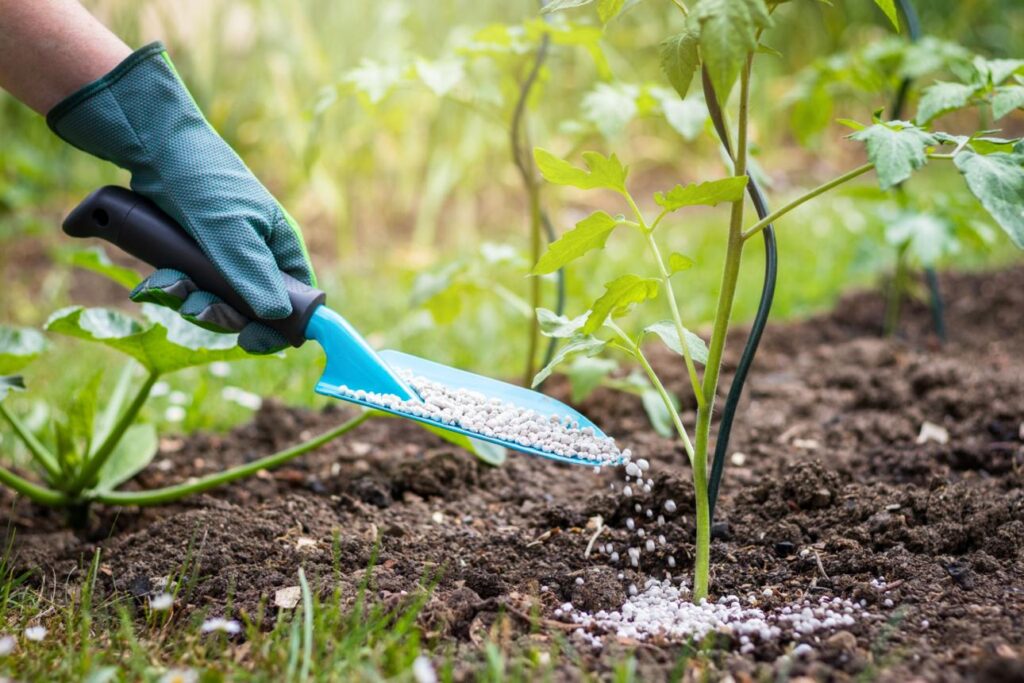
Different fertilizer forms serve different purposes throughout the growing season.
Granular Fertilizer
Granular fertilizers release nutrients slowly and work well for long-term feeding.
Best for:
- Garden beds
- Container vegetables
- Season-long nutrition
Application tips:
- Mix into soil before planting
- Side-dress every 4 to 6 weeks
- Water thoroughly after application
Granular products are often considered one of the most dependable options for fertilizer for tomatoes and peppers because they provide consistent nutrient availability over time.
Liquid Fertilizer
Liquid fertilizer delivers nutrients quickly through roots or foliage.
Best for:
- Nutrient deficiencies
- Container plants
- Mid-season feeding boosts
Liquid feeding often produces visible improvements within a few days. Many gardeners apply fish emulsion or water-soluble tomato fertilizer every two weeks during heavy fruit production.
Compost and Natural Soil Amendments
Compost remains one of the most effective soil conditioners for vegetable gardens.
Benefits include:
- Improved microbial activity
- Better drainage
- Increased organic matter
- Slow nutrient release
A compost-rich garden often requires less supplemental fertilizer for tomatoes and peppers because healthy soil biology naturally supports plant nutrition.
Fertilizer Schedule for Tomatoes and Peppers
Correct timing is just as important as fertilizer selection.
Before Planting
Work compost or balanced granular fertilizer into the soil 1 to 2 weeks before transplanting.
Recommended nutrients include:
- Moderate nitrogen
- Added phosphorus
- Organic matter
After Transplanting
Wait approximately one week after transplanting before feeding again. This helps reduce root stress while plants adjust to their new environment.
Use:
- Diluted liquid fertilizer
- Compost tea
- Fish emulsion
During Flowering
Reduce nitrogen slightly while increasing phosphorus and potassium.
This stage plays a major role in future fruit production. Proper feeding encourages strong blossoms and healthy fruit set.
During Fruiting
Apply potassium-rich fertilizer every 2 to 3 weeks.
The best fertilizer for tomatoes and peppers during fruiting supports:
- Larger harvests
- Better flavor
- Reduced blossom end rot
- Improved color development
Calcium supplementation may also help prevent common fruit disorders.
Common Nutrient Deficiencies in Tomatoes and Peppers
Recognizing nutrient problems early can prevent serious crop loss.
| Deficiency | Symptoms | Solution |
| Nitrogen | Pale leaves | Balanced fertilizer |
| Calcium | Blossom end rot | Calcium nitrate or lime |
| Magnesium | Yellow leaf veins | Epsom salt |
| Potassium | Weak fruiting | Potassium-rich feed |
| Phosphorus | Purple leaves | Bone meal or phosphorus blend |
Many gardeners assume every yellow leaf means plants need more fertilizer, but overfeeding can create additional stress. Soil testing remains one of the most accurate ways to diagnose nutrient deficiencies before making adjustments.
Best Organic Ingredients for Homemade Fertilizer
Homemade plant food can work well alongside commercial fertilizer programs.
Compost Tea
Compost tea supplies beneficial microbes along with mild nutrients.
How to use:
- Apply every 2 weeks
- Use as a root drench
- Spray on leaves during cool mornings
Banana Peels
Banana peels contain potassium and small amounts of trace minerals.
Methods include:
- Chopping into soil
- Drying and grinding into powder
- Adding to compost piles
Eggshells
Eggshells provide calcium gradually over time.
Crushed shells placed around plants may help reduce blossom end rot when combined with proper watering practices.
Epsom Salt
Magnesium sulfate supports chlorophyll production and healthy foliage.
Use carefully:
- 1 tablespoon per gallon of water
- Apply monthly if deficiency symptoms appear
Homemade solutions should support, not replace, a complete fertilizer for tomatoes and peppers program.
Fertilizer Mistakes That Reduce Harvests

Even experienced gardeners occasionally make feeding mistakes that limit production.
Overfeeding Nitrogen
Too much nitrogen often creates large, attractive plants with very little fruit.
This problem commonly occurs when lawn fertilizer is used too close to vegetable beds.
Fertilizing Dry Soil
Applying fertilizer to dry soil can burn roots and stress plants.
Always water plants before and after feeding.
Ignoring Soil pH
Tomatoes and peppers grow best in slightly acidic soil with a pH between 6.0 and 6.8.
Improper pH levels can block nutrient absorption even when fertilizer is available in the soil.
Feeding Too Late
Heavy late-season feeding may delay ripening and reduce fruit quality.
Adjust fertilizer amounts as plants mature and harvest season approaches.
The most productive gardens usually rely on consistent, moderate feeding instead of excessive fertilizer applications.
Container Gardening Fertilizer Tips
Container-grown vegetables require more frequent feeding because nutrients wash out faster with regular watering.
Best practices include:
- Use high-quality potting mix
- Feed every 10 to 14 days
- Combine slow-release and liquid fertilizer
- Monitor moisture carefully
The right fertilizer for tomatoes and peppers in containers should contain calcium, potassium, and essential micronutrients.
Container plants often show deficiencies sooner than in-ground plants because root space is more limited. Regular observation becomes especially important during hot weather.
How Soil Quality Impacts Fertilizer Performance
Healthy soil naturally improves nutrient retention and overall plant health.
Important soil factors include:
- Organic matter
- Drainage
- Microbial activity
- Moisture balance
- Soil texture
Adding compost each year improves long-term fertility while reducing dependency on synthetic feeding.
Experienced growers rarely depend on fertilizer alone. They also focus on soil biology, watering consistency, and mulch management to maintain strong plant growth throughout the season.
Mulching helps preserve nutrients by reducing runoff and stabilizing soil temperature, especially during periods of extreme heat.
Advanced Feeding Strategies Used by Experienced Gardeners
Professional growers often use staged nutrition programs instead of relying on one fertilizer throughout the entire season.
Early Season Strategy
Focus on:
- Root establishment
- Balanced growth
- Moderate nitrogen
Mid-Season Feeding
Increase phosphorus and potassium during flowering and early fruit production.
Many gardeners alternate liquid feeding with compost applications to maintain steady nutrient availability without overwhelming plants.
Late-Season Management
Reduce heavy feeding as fruits mature.
This encourages:
- Faster ripening
- Better flavor concentration
- Reduced excessive foliage growth
The best fertilizer for tomatoes and peppers strategy evolves as plant demands change throughout the season.
Signs Your Fertilizer Program Is Working
Healthy plants usually display consistent growth and steady fruit production.
Positive indicators include:
- Deep green foliage
- Consistent flowering
- Strong stems
- Even fruit development
- Minimal blossom drop
Tomatoes should produce vigorous vines without excessive leafy growth. Peppers typically maintain compact branching with continuous flowering.
Monitoring plant appearance weekly helps gardeners identify small issues before they become serious problems. In many home gardens, small adjustments made early in the season can make a noticeable difference by harvest time.
Choosing the Best Fertilizer for Tomatoes and Peppers
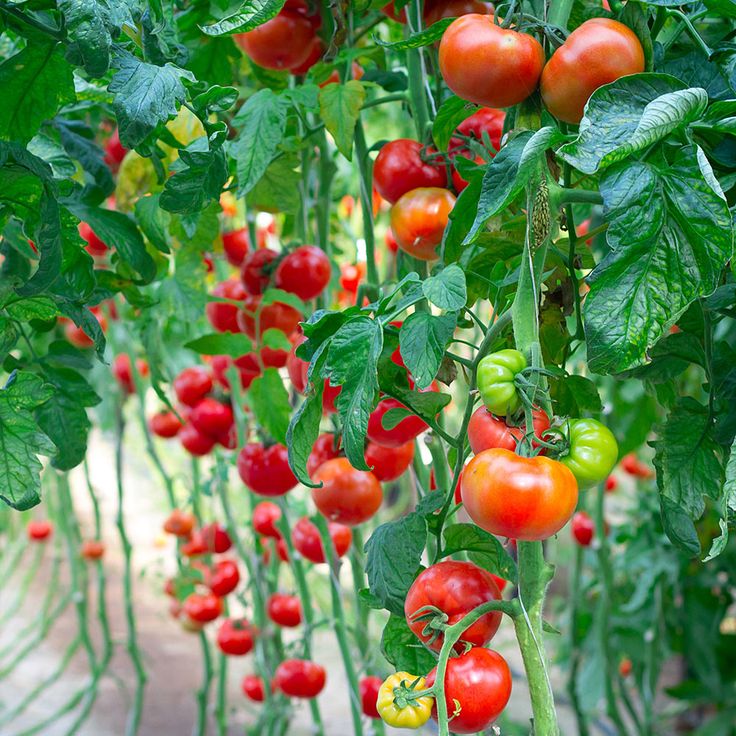
The ideal product depends on several factors, including:
- Soil condition
- Climate
- Container or ground planting
- Organic preferences
- Plant growth stage
For beginners, a balanced vegetable fertilizer combined with compost usually provides dependable results.
For more advanced gardeners, customized feeding programs based on soil testing often produce the best harvest quality and long-term soil health.
No single product works perfectly in every garden. Consistency, observation, watering practices, and soil quality all influence results alongside fertilizer selection.
A well-managed feeding schedule using the right fertilizer for tomatoes and peppers can dramatically improve plant strength, harvest size, fruit flavor, and overall garden productivity.
FAQ Section
What is the best fertilizer for tomatoes and peppers?
The best fertilizer for tomatoes and peppers typically contains balanced nutrients during early growth and increased phosphorus and potassium during flowering and fruiting. Many gardeners prefer ratios like 5-10-10 or organic compost blends.
How often should I fertilize tomatoes and peppers?
Most plants benefit from feeding every 2 to 4 weeks depending on soil quality, weather conditions, and fertilizer type. Container plants often require more frequent feeding.
Can I use the same fertilizer for tomatoes and peppers?
Yes. Tomatoes and peppers have similar nutrient requirements, making shared fertilizer programs effective for most home gardens.
Is organic fertilizer better for vegetable gardens?
Organic fertilizer improves soil health over time and supports beneficial microbes. Synthetic fertilizers provide faster results and more precise nutrient control. Many gardeners combine both methods successfully.
Why are my tomato plants growing leaves but no fruit?
Excess nitrogen is one of the most common causes. Switching to a lower nitrogen fertilizer with higher phosphorus and potassium can help encourage flowering and fruit production.
Does Epsom salt help peppers and tomatoes?
Epsom salt may help when plants have a magnesium deficiency, but it should not replace a complete fertilizer program.
What causes blossom end rot?
Blossom end rot usually develops from calcium imbalance and inconsistent watering rather than fertilizer deficiency alone.