You planted the seeds. You watered consistently, gave them a sunny spot, and checked on them almost every day. Then, somewhere around week three, the leaves started going yellow and the fruits came out short and bitter. It’s more common than you’d think — and the cause is rarely what people suspect.
More often than not, it comes down to feeding. Knowing what is the best fertilizer for cucumbers is genuinely the difference between a crop you’re proud of and a vine that struggles through the whole season. And once you understand what these plants actually need at each stage, the decisions become a lot less complicated.
Why Cucumbers Are Heavy Feeders (And What That Means for You)
Cucumbers aren’t difficult plants to grow, but they do have an appetite. They develop quickly, set fruit continuously throughout the season, and draw a meaningful amount of nutrients from the soil in a relatively short period. That demand increases further when you’re growing in containers or raised beds, where the root zone is limited and nutrients can deplete faster.
What is the best fertilizer for cucumbers, in any situation, depends on two things above all: the current nutrient state of your soil and the growth stage your plant has reached. A young seedling has completely different needs from a vine in full flower, and those needs shift again once fruit starts developing.
At the center of it all are three core nutrients — nitrogen (N), phosphorus (P), and potassium (K). Nitrogen drives leafy, green growth. Phosphorus supports root development and helps the plant move into flowering. Potassium builds overall plant strength and directly influences fruit quality. Apply the right balance at the wrong time, and you’ll likely see the consequences in your harvest.
The NPK Ratio: Your Starting Point for Cucumber Fertilization
The NPK ratio printed on every fertilizer label is your most important reference point, and it’s where a lot of gardeners run into trouble early on.
During the first three to four weeks of growth, cucumbers benefit from a balanced or slightly nitrogen-forward formula — something in the range of 10-10-10 or 8-8-8 works well here. It supports early root establishment and healthy leaf development without pushing growth too aggressively. Once flower buds begin to form, the approach needs to shift. At that point, you want to reduce nitrogen and move toward a phosphorus and potassium emphasis. Continuing high-nitrogen feeding past this stage redirects the plant’s energy toward foliage rather than fruit. The vine may look impressive, but the harvest won’t reflect it.
Here’s a straightforward breakdown of what each growth stage calls for:
| Growth Stage | Recommended NPK Ratio | Key Focus |
|---|---|---|
| Seedling / Early Vegetative | 10-10-10 or 8-8-8 | Root establishment, leaf development |
| Pre-flowering | 5-10-10 or 8-16-16 | Flower bud development |
| Active fruiting | 3-6-6 or low-N formula | Fruit size, quality, plant strength |
| Mid-season boost | Liquid potassium feed | Sustaining yield, disease resistance |
Understanding this progression is, in many ways, the foundation of answering what is the best fertilizer for cucumbers at any given point in the season.
What Is the Best Fertilizer for Cucumbers? 5 Top Options Explained
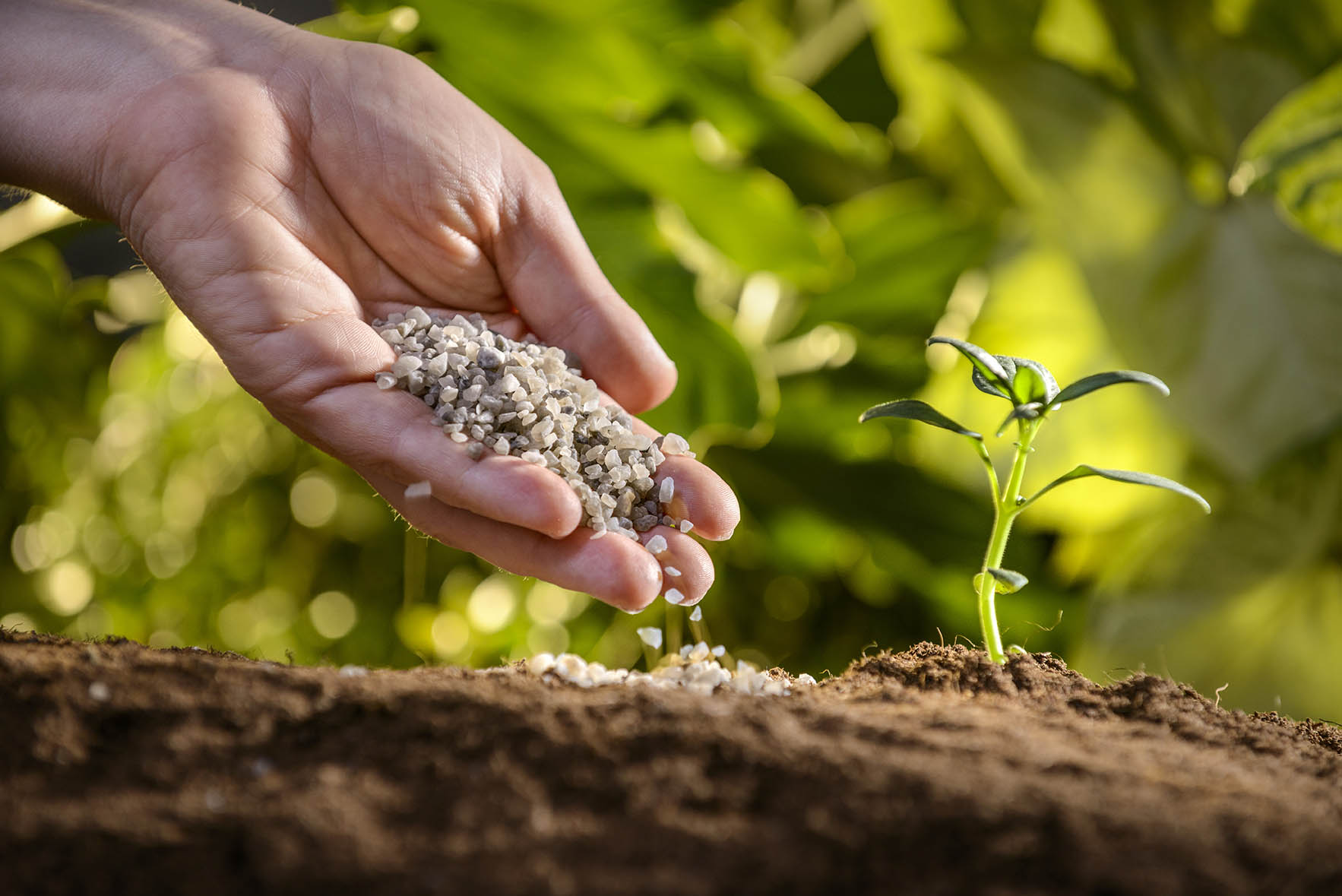
Walk into any garden center and the fertilizer section can feel overwhelming. Labels, ratios, organic claims, slow-release formulas — it’s a lot to sort through. Here are the five categories that genuinely matter for cucumber plant nutrition, with practical context on each one.
1. Balanced Granular Fertilizer (10-10-10)
A 10-10-10 granular fertilizer is a dependable starting point, particularly if you haven’t had a recent soil test done. It supplies all three primary nutrients in equal measure, which reduces the risk of early deficiencies without overloading any one element. Working it into the top several inches of soil before planting gives your cucumbers a stable nutritional base to grow into.
The main limitation is flexibility. Granular formulas are slow to activate, and once they’re in the ground, you can’t easily adjust them. Think of this option as your foundation layer rather than your primary mid-season tool.
2. Liquid Fertilizer for Fast Results
When the question of what is the best fertilizer for cucumbers comes down to response time, liquid fertilizers have a clear advantage. They’re taken up through both the root system and the leaf surface, and most plants show a visible response within a few days of application.
Fish emulsion, typically around a 5-1-1 ratio, performs well during early vegetative growth. Once fruiting begins, a seaweed-based liquid fertilizer applied every two weeks fills in the micronutrient gaps that granular products often leave behind — calcium, magnesium, and zinc among them. These trace elements have a quiet but real influence on fruit development and overall plant resilience.
3. Slow-Release Fertilizer for Low-Maintenance Gardens
Not every gardener has time to feed their plants on a weekly schedule, and that’s where slow-release fertilizers earn their place. Coated granule products like Osmocote break down gradually over three to six months, releasing nutrients steadily rather than in concentrated bursts.
For raised beds and containers specifically, this format has a practical advantage. Because container soil drains more freely, nutrients are flushed out faster than they would be in an in-ground garden. A slow-release fertilizer at planting provides a reliable background feed that reduces how much attention the plants need between targeted applications. When the question of what is the best fertilizer for cucumbers in a container garden comes up, slow-release is often the most practical starting answer.
4. Organic Fertilizers: Compost, Worm Castings, and Bone Meal
Organic fertilizers operate on a different principle than synthetic products. Rather than delivering a precise nutrient dose on demand, they work by improving the soil environment itself — which, over time, makes nutrients more consistently available to your plants.
Aged compost incorporated into the bed before planting does more than feed cucumbers. It improves soil drainage, supports beneficial microbial activity, and creates a growing medium that holds moisture more evenly. Worm castings are worth mentioning separately because they tend to be underestimated. They’re gentle enough to apply directly around seedlings without the risk of burning, and they stimulate root development in ways that synthetic alternatives typically don’t replicate. Bone meal, which is high in phosphorus, is a useful addition at transplant time to support early root establishment.
For gardeners focused on organic fertilizer for cucumbers, a layered approach tends to work best: compost at planting, worm castings worked in monthly, and a liquid seaweed spray during the growing season for micronutrient support.
5. Calcium-Magnesium Supplements
This category doesn’t always appear in fertilizer guides, and that’s a gap worth addressing. Cucumbers are notably susceptible to calcium and magnesium deficiencies, particularly in soils that are sandy, light, or on the acidic side. Blossom-end rot — that dark, sunken patch that appears at the base of the fruit — is one of the most recognizable signs. Inward-curling leaves often point to the same issue.
A Cal-Mag supplement applied every two to three weeks during the fruiting period can reverse a struggling plant’s trajectory. It won’t appear on the standard NPK label, which is part of why it gets overlooked. But in terms of its influence on fruit quality, it ranks among the most important inputs in the garden.
Real-Life Example: What One Gardener Learned the Hard Way
A small-scale vegetable grower in Georgia went through two full seasons getting disappointing results from her cucumber beds — fruit that was bitter, undersized, and irregular. She’d been watering correctly, managing pests, and giving the plants plenty of sunlight. The one thing she hadn’t adjusted was the fertilizer.
After researching what is the best fertilizer for cucumbers more carefully, she realized she’d been applying a high-nitrogen lawn fertilizer throughout the season — a mistake that’s more common than it sounds. She switched to a 5-10-10 formula beginning at the flowering stage, combined with biweekly liquid seaweed applications.
By mid-July of her third season, she was harvesting cucumbers every other day. The seeds, the soil, and the raised beds were unchanged. The only variable that shifted was the fertilization approach.
That doesn’t make 5-10-10 the universal answer to what is the best fertilizer for cucumbers across all gardens. But the story makes something clear: the phosphorus and potassium side of the equation matters far more during fruiting than many growers initially realize.
Common Fertilizer Mistakes That Hurt Cucumber Plants
Even when gardeners have identified what is the best fertilizer for cucumbers, application errors can quietly undermine the results. A few patterns come up repeatedly.
Over-applying nitrogen is the most frequent issue. Cucumber plants fed an excess of nitrogen during and after flowering will produce vigorous, leafy vines that set very little fruit. The plants look healthy — which is what makes this mistake easy to miss until the harvest makes it obvious.
Applying fertilizer to dry soil is another common error. Concentrated nutrients applied to a dry root zone can cause salt accumulation that burns roots and sets the plant back significantly. It’s worth making a habit of watering first and fertilizing second, every time.
Overlooking soil pH is a subtler problem, but it affects results just as directly. Cucumbers perform best in soil with a pH between 6.0 and 6.8. Outside that range, nutrient uptake is compromised regardless of what fertilizer you apply. A basic soil test — available at most garden centers for a few dollars — can identify this issue before it costs you a season.
How Often Should You Fertilize Cucumbers?
Finding what is the best fertilizer for cucumbers is only part of the equation. Timing and frequency matter just as much as product selection. A general schedule that holds up well across most home growing situations:
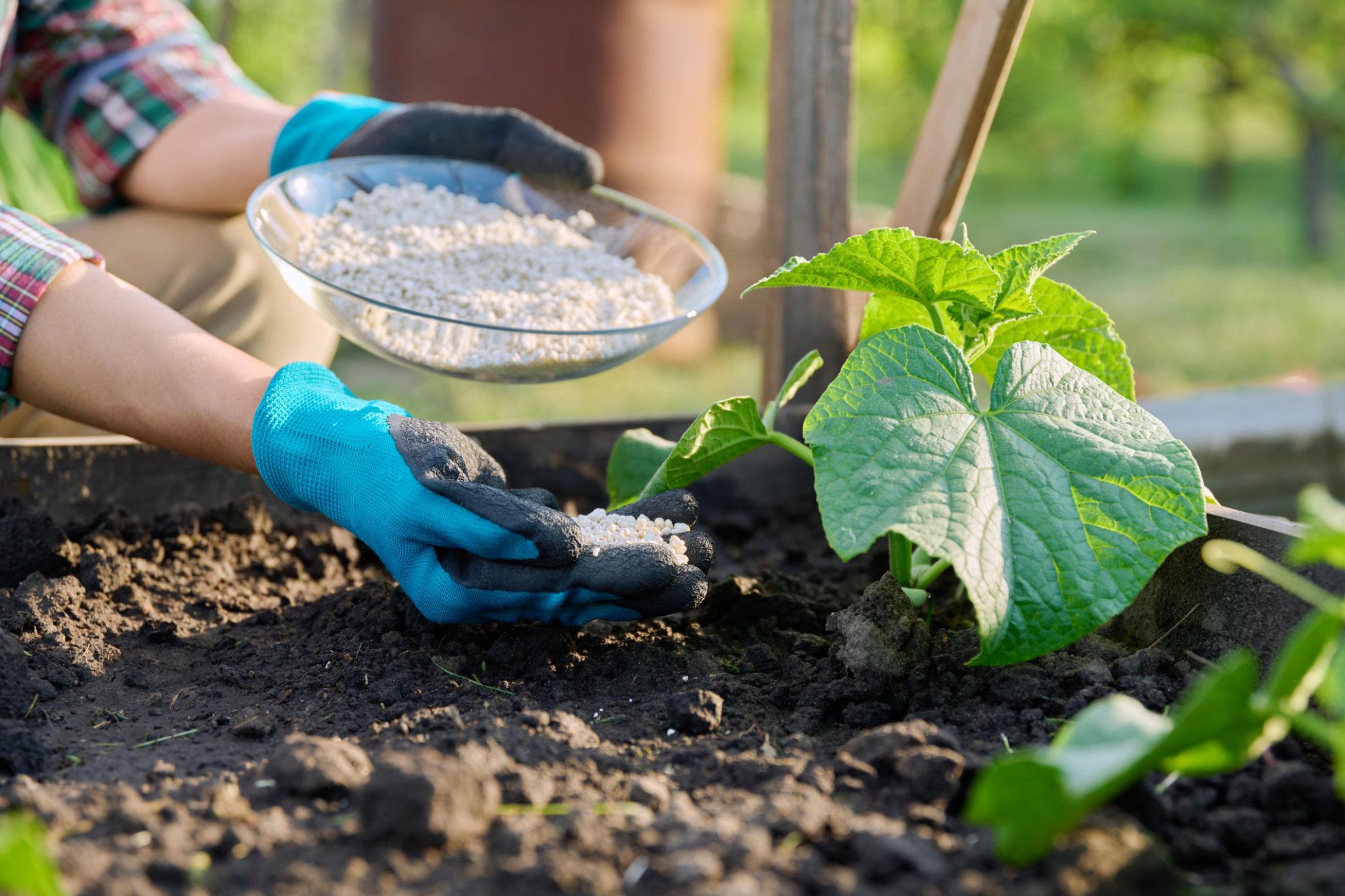
- At planting: Incorporate granular balanced fertilizer or well-aged compost into the top 6 inches of soil.
- Two weeks after transplanting: Begin liquid fertilizer applications on a 7–14 day cycle.
- At first flowering: Transition to a low-nitrogen, higher phosphorus and potassium formula.
- Mid-fruiting: Introduce Cal-Mag supplementation and continue potassium feeds every two weeks.
- Late season: Reduce or taper feeding during the final three to four weeks unless visible deficiency signs appear.
For cucumbers grown in containers, the feeding interval should shorten. Applying a balanced liquid fertilizer every seven days is a reasonable approach for potted plants, given how quickly container soil loses available nutrients.
Organic vs. Synthetic: Which Is Actually Better?
This question sits just beneath the surface whenever people ask about what is the best fertilizer for cucumbers, and it deserves a straightforward answer. Both approaches can produce excellent results. The distinction is more about how you prefer to manage your garden than which method is categorically superior.
Synthetic fertilizers offer precision. If you need to know exactly how much nitrogen you’re delivering at a given moment, a synthetic product makes that calculation reliable. Results are also typically faster. Organic fertilizers, on the other hand, build something that synthetic options can’t easily replicate — a healthier soil ecosystem. They improve structure, encourage beneficial microbial populations, and reduce the risk of nutrient burn over repeated applications. The results take longer to appear, but the soil continues to improve season after season.
For most home gardeners, the most practical path combines elements of both. Organic matter and compost provide the foundational soil quality, while targeted liquid fertilizer applications fill in specific nutritional gaps as they arise during the season. When experienced growers talk about what is the best fertilizer for cucumbers from a real-world standpoint, this kind of layered strategy is what they typically describe.
Frequently Asked Questions
What is the best fertilizer for cucumbers in containers?
Container cucumber plants benefit most from a balanced liquid fertilizer applied every seven to ten days. Because container soil drains faster and depletes more quickly than in-ground growing media, frequent light feeding tends to outperform infrequent heavy doses. Incorporating a slow-release granular fertilizer at planting provides a consistent nutritional background that supplements your regular liquid applications throughout the season.
Can I use tomato fertilizer on cucumbers?
In general, yes — with some awareness of the context. Tomato fertilizers are often formulated with calcium and moderate nitrogen levels, which translate reasonably well to cucumber needs during the fruiting stage. They’re less ideal for early vegetative growth, when cucumbers benefit more from a balanced NPK ratio rather than a formula calibrated for a different crop’s priorities.
What is the best fertilizer for cucumbers when leaves are turning yellow?
Leaf yellowing in cucumber plants most commonly points to nitrogen deficiency, magnesium deficiency, or a soil pH that’s fallen outside the optimal range. A balanced liquid fertilizer is a reasonable first response, but checking pH before assuming a nutrient shortage will help you apply the right fix. If the yellowing appears between green leaf veins on new growth specifically, magnesium is the more likely culprit. A diluted foliar spray of Epsom salt — approximately one tablespoon per gallon of water — can provide fairly immediate relief in that situation.
How do I know if I’m over-fertilizing my cucumbers?
The signs to watch for include brown or scorched leaf tips, leaf curling, vigorous vine growth with minimal fruit production, and wilting that persists even when the soil is adequately moist. If over-fertilization seems likely, thoroughly flushing the soil with plain water and pausing all fertilizer applications for one to two weeks gives the root zone time to recover.
Is Epsom salt good for cucumbers?
Epsom salt, which is magnesium sulfate, supplies two nutrients cucumbers use — magnesium and sulfur — but it functions more as a targeted supplement than a full fertilizer. It’s most appropriately used when a specific magnesium deficiency is identified, not as a routine substitute for balanced fertilization. Applied in that context, it can be genuinely useful.
Conclusion: Feed Your Cucumbers Like You Mean It
So, after working through all of this, what is the best fertilizer for cucumbers? The practical answer points to a combination: a balanced granular or compost base established at planting, a low-nitrogen liquid fertilizer applied during flowering and fruiting, and consistent calcium-magnesium support throughout the productive period of the season.
No single product works perfectly across every garden, soil type, or climate. But the growers who reliably get strong cucumber harvests aren’t relying on anything complicated. They’re paying attention to where their plants are in the growth cycle, adjusting their approach accordingly, and keeping up with the fundamentals — pH, consistent moisture, and timely fertilization.
Your action step today: if you haven’t done a soil test in the past two seasons, that’s the most valuable thing you can do before your next planting. It takes very little time and gives you the context to make smarter decisions about what is the best fertilizer for cucumbers in your specific growing conditions. Once you have that information, the rest of the process is much more manageable than it might seem.