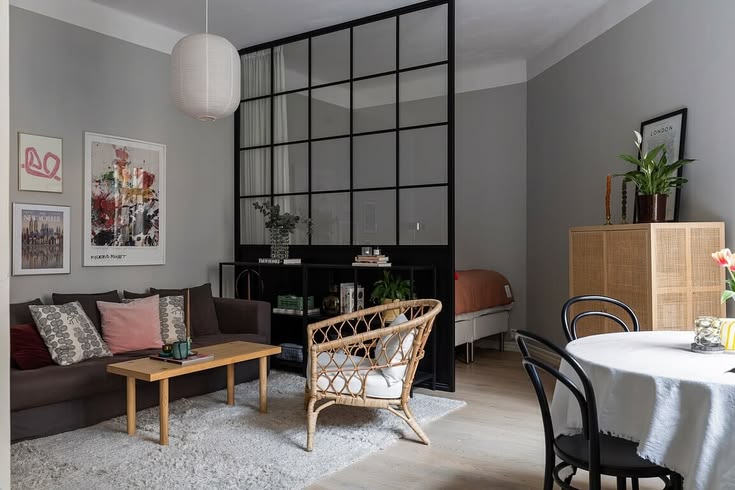
You moved into a beautiful open-plan apartment. It felt spacious, airy, and full of possibility. Then you tried to sleep while your roommate watched television three feet away — and that dream layout became a very real daily frustration.
This is one of the most common complaints among apartment dwellers, and it is entirely understandable. Open layouts photograph beautifully in listings, but the experience of actually living in one is a different matter. That is exactly where a well-chosen apartment room divider steps in — not just as a practical fix, but as a genuine improvement to how your home looks and feels every single day.
Whether you are in a studio, a shared flat, or a one-bedroom that simply needs better spatial organization, this guide walks you through practical, stylish, and renter-friendly solutions that require no drilling, no landlord negotiations, and no permanent changes to your space.
Why an Apartment Room Divider Is More Than Just a Partition
Most people think of a room divider as a temporary measure — something you set up when needed and put away when company arrives. In reality, a thoughtfully selected apartment room divider serves a much broader purpose than simple separation.
It creates zones. In a 400-square-foot studio, the distinction between a defined “living area” and a clearly marked “sleeping area” changes how the entire space feels on a psychological level. When your brain can visually register that you have crossed into a separate zone, it responds accordingly — allowing you to rest more fully or focus more clearly. That kind of mental boundary is something many renters underestimate until they experience it.
A well-placed apartment room divider also contributes to the overall character of a space. An empty studio can feel generic and uninspiring. The right divider — whether a natural rattan screen, a sculptural bookshelf, or a set of linen curtain panels — introduces texture, warmth, and a sense of intentional design. And practically speaking, it can make your apartment feel more composed and considered without requiring any permanent modifications.
The 7 Best Apartment Room Divider Options Right Now
1. Bookshelf Dividers: The Smartest Dual-Purpose Move
A freestanding bookshelf used as an apartment room divider is one of the most functional choices available. You are not simply dividing a space — you are simultaneously creating storage, a display surface, and a design element that contributes to both sides of the room.
Open-backed shelving units work particularly well because they allow airflow and natural light to pass between zones while still creating a clear visual separation. IKEA’s KALLAX and BILLY series remain popular choices for good reason, though independent furniture makers offer more distinctive options if you prefer something less commonly seen.
Height is an important consideration here. A unit that stands between five and six feet achieves the right balance — tall enough to feel deliberate, but not so imposing that it closes the space in. Style it with books, trailing plants, woven baskets, and a few decorative objects, and your apartment room divider essentially becomes a curated feature wall that works from both directions.
A designer in Brooklyn once shared how she transformed her studio by positioning two KALLAX units back to back — creating a sleeping nook on one side and a compact home office on the other. The total investment came in under $300, yet the result felt entirely custom and considered.
2. Curtain Dividers: The Renter’s Most Reliable Option
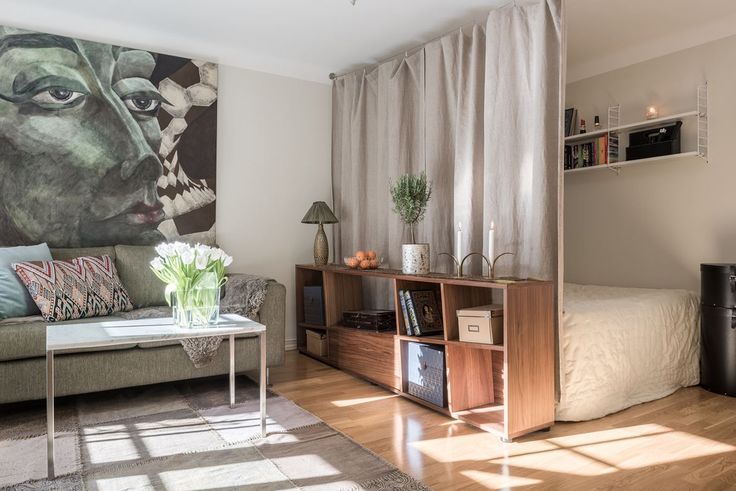
For anyone living in a rental and conscious of leaving the space exactly as they found it, a curtain-based apartment room divider is arguably the safest and most versatile solution available. A ceiling-mounted curtain track — typically using tension or pressure-mounted hardware that requires no drilling whatsoever — allows you to hang floor-to-ceiling fabric panels that slide open or closed depending on your needs.
Fabric choice matters considerably here. Linen keeps things relaxed and breathable. Velvet introduces a sense of richness and provides meaningful sound dampening. Sheer fabrics allow light to move freely through the space while softening the visual boundary between zones.
From a cost perspective, this type of apartment room divider is also among the most accessible. A quality tension rod combined with a good set of curtain panels can cost as little as $60 to $150 for a standard studio width — genuinely one of the most budget-conscious approaches on this entire list.
3. Folding Screens and Room Panels
The folding screen has come a long way from its purely utilitarian origins. Contemporary folding room dividers are available in rattan, bamboo, fabric, laser-cut timber, and metal — and many are genuinely worth displaying as furniture pieces in their own right.
A folding apartment room divider works especially well for defining temporary zones: a dressing area beside the bed, a compact workspace set apart from the living area, or a soft boundary between the kitchen and dining space in an open-plan layout. Because nothing attaches to the walls or floor, they are completely renter-safe and easy to reposition whenever the need arises.
One practical note worth keeping in mind: folding screens are most stable when placed against a wall or tucked into a corner. Left floating in the middle of a high-traffic area, they can shift or tip — so thoughtful placement makes a real difference.
4. Plant Walls and Greenery Partitions
This approach tends to be overlooked, yet it is one of the most rewarding. Using plants as an apartment room divider brings something genuinely alive into the space — a quality that no manufactured screen or panel can replicate.
A thoughtfully arranged row of tall plants — fiddle leaf figs, bamboo palms, or snake plants work well — placed in well-chosen planters creates a natural, organic boundary between zones. For a more structured effect, tiered plant stands or shelving units filled with trailing and climbing varieties can produce something close to a true green wall.
This approach suits apartments with good natural light particularly well. Beyond the visual appeal, plants contribute to improved air quality, mild acoustic softening, and a measurable improvement in mood — benefits that most apartment room divider options simply cannot offer.
5. Sliding Barn Doors and Panel Systems
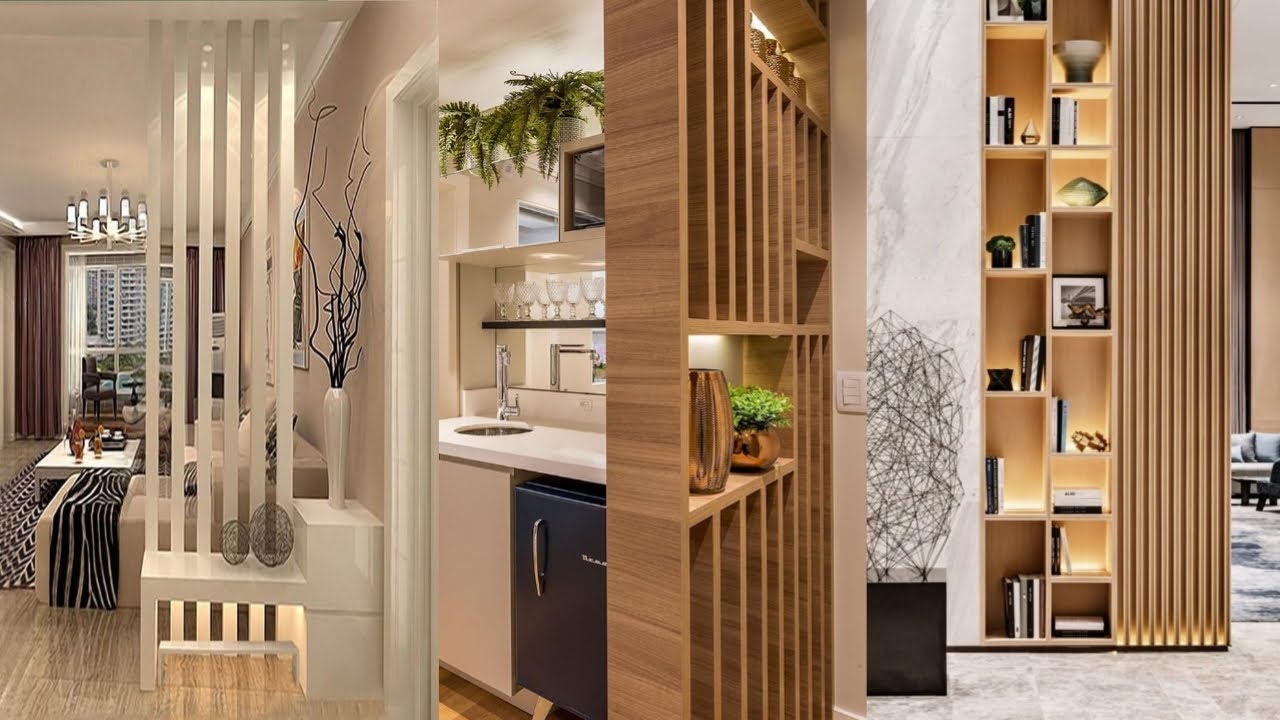
For apartments with a bit more flexibility — or for those who own their home — a sliding door system represents a significant and sophisticated upgrade. Wall-mounted sliding track systems, including Japanese-style shoji panels and contemporary barn door hardware, can fully divide a room while adding considerable visual interest.
In most cases, these systems do not require internal wall framing. The track is typically mounted to the ceiling or a structural beam above. A sliding apartment room divider of this kind offers the best of both worlds — complete closure when privacy is needed, and a fully open space when it is not.
These work particularly well in studio apartments within converted loft buildings, in bedrooms that open directly onto a living area, and in larger open-plan layouts where a more complete partition makes functional sense.
6. Pegboard and Panel Walls
Pegboard has undergone a genuine transformation in recent years. What once belonged exclusively in garages and workshops now appears in living spaces, home offices, and studios — available in matte white, deep black, and warm wood tones that integrate naturally with contemporary interiors.
As a freestanding apartment room divider, a pegboard panel offers something most dividers cannot: a fully functional surface on both faces. Hooks, small shelves, wire baskets, and display items can be arranged and rearranged freely. For a home office carved out of a studio apartment, this is a particularly intelligent solution — the divider becomes part of your working infrastructure rather than simply a spatial boundary.
7. Rope, Macramé, and Hanging Textile Dividers
For interiors with a natural, handcrafted aesthetic, hanging textile panels offer a softer and more artistic approach. Macramé, woven rope, and knotted fabric panels hang from ceiling hooks or tension rods and create a visual zone without forming a solid barrier.
These are lightweight, easy to rehang, and frequently made by independent makers — which means the piece in your apartment is unlikely to appear in anyone else’s. The honest trade-off is limited privacy and minimal acoustic benefit, so they function best as decorative zone markers in spaces where atmosphere matters more than full separation.
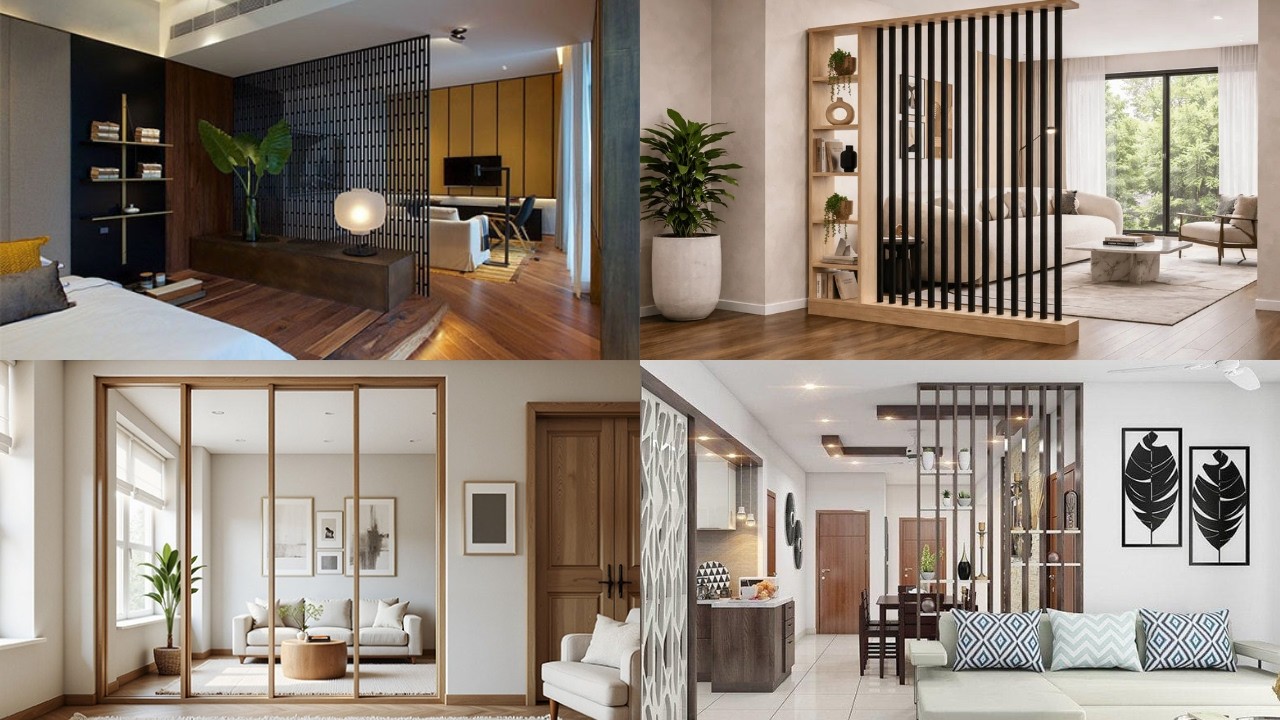
Quick Comparison: Choosing the Right Apartment Room Divider
| Divider Type | Privacy Level | Cost Range | Renter-Friendly | Style Flexibility |
|---|---|---|---|---|
| Bookshelf | Medium | $80–$400 | Yes | High |
| Curtain | Medium–High | $60–$200 | Yes | Very High |
| Folding Screen | Medium | $50–$300 | Yes | High |
| Plant Wall | Low–Medium | $100–$500 | Yes | Very High |
| Sliding Door | High | $200–$800 | Partial | Medium |
| Pegboard Panel | Medium | $80–$250 | Yes | High |
| Macramé/Textile | Low | $40–$200 | Yes | Very High |
Things to Consider Before Buying an Apartment Room Divider
Not every solution works equally well in every space. Before committing to a purchase, it helps to work through a few honest questions about your specific situation.
What is the primary purpose? If your main concern is sound — a home office that needs quiet, or a bedroom that requires genuine separation from a shared living area — a lightweight screen or decorative textile will not provide enough mass. You will need something denser: a filled bookshelf, heavy curtain panels, or a solid sliding door.
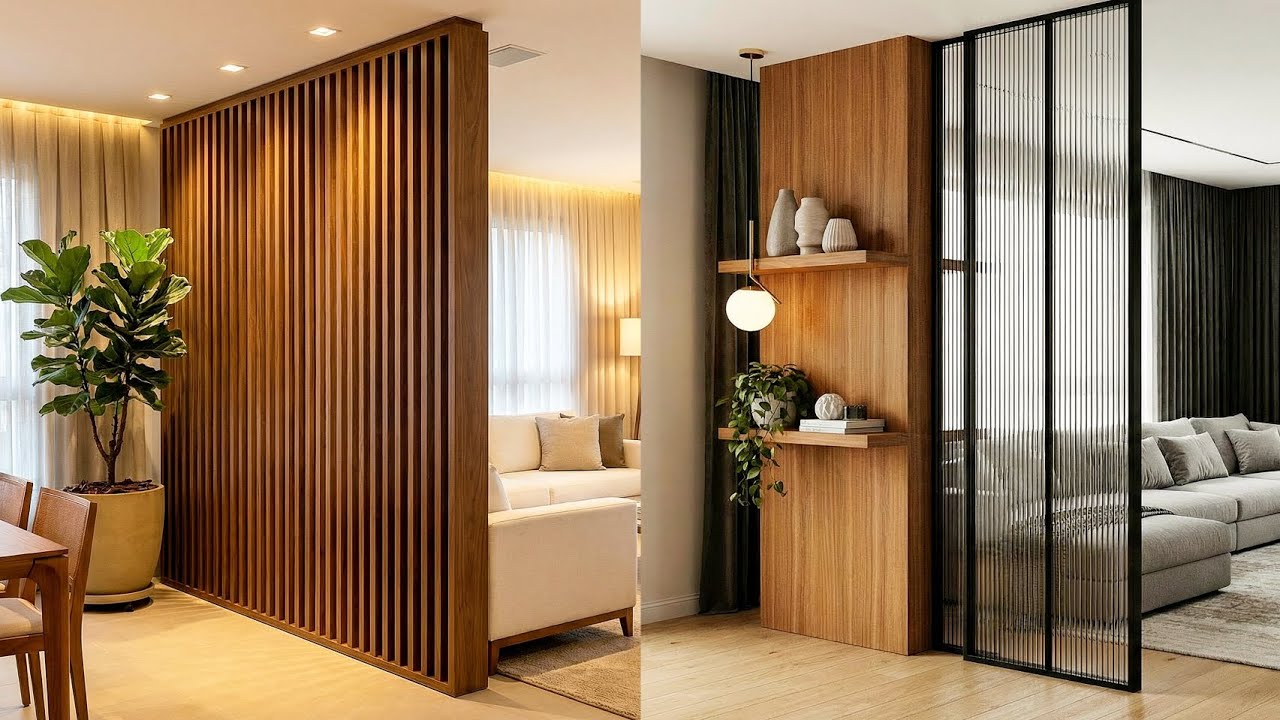
How important is natural light? Solid, opaque dividers create strong definition but can make a compact apartment feel noticeably darker. If your space relies on daylight, open shelving, sheer curtains, or slatted screens that allow light to filter through will serve you far better.
Is it renter-friendly? The majority of options covered here are fully freestanding and leave no trace. However, sliding door tracks and some ceiling-mounted curtain systems involve hardware that may require landlord approval, so it is worth checking before you invest.
Does it suit your existing interior? An apartment room divider occupies significant visual real estate. A heavily textured rattan screen will look out of place in a clean, minimal space. Consider your existing color palette, furniture style, and the overall mood you are trying to create before making a final decision.
Frequently Asked Questions
How do I divide a studio apartment without making it feel smaller?
The key is to rely on visual separation rather than solid walls. Open bookshelves, sheer curtain panels, and plant groupings all suggest a boundary without physically closing in the space. Choosing lighter tones and keeping dividers away from windows also helps maintain a sense of openness.
Can I use a room divider in a rental apartment?
Yes, and most options on this list are fully compatible with rental living. Freestanding shelves, folding screens, tension rod curtains, and plant arrangements leave no marks and require no permanent installation. If you are considering a ceiling-mounted track system, check with your landlord first.
What is the cheapest way to divide a room in an apartment?
Curtain panels on a tension rod consistently offer the most affordable entry point, often for well under $80 for a standard studio width. Folding screens from accessible retailers and DIY plant arrangements are also cost-effective starting points.
How tall should a room divider be for an apartment?
A height of five to six feet works well for most zone-defining purposes — tall enough to register as intentional, but short enough to avoid a closed-in feeling. For genuine privacy in a sleeping or working area, floor-to-ceiling curtains or full-height panels are the more effective choice.
Do room dividers help with noise in apartments?
Results vary depending on the type. Heavy curtains, fully stocked bookshelves, and solid sliding panels all provide meaningful noise reduction. Open shelving, folding screens, and textile hangings offer very little acoustic benefit, so if sound control is a priority, material mass matters.
Conclusion: Your Space, Your Rules
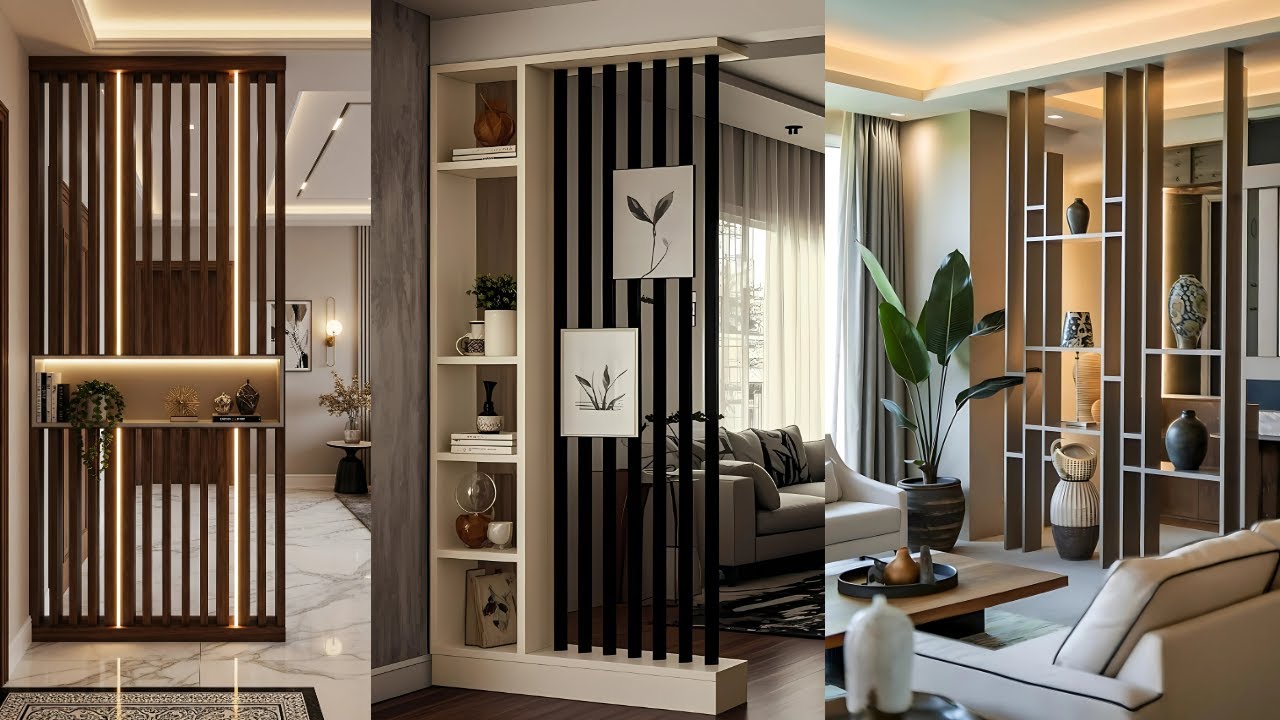
Living in an open-plan apartment does not have to mean living without definition or privacy. The right apartment room divider can bring genuine structure to a space that currently feels undefined — creating zones that support how you actually spend your time at home, whether that means focused work, restful sleep, or simply a clear visual separation between areas.
Begin by identifying the single biggest friction point in your current layout. Is it noise bleed? A lack of visual boundaries? The feeling that your workspace and your living space exist in the same unbroken zone? Once you are clear on the core problem, the most suitable apartment room divider option tends to become obvious.
Most of the solutions covered here are affordable, fully reversible, and safe for renters. There is no significant barrier to getting started. Choose one option, set a realistic budget, and make a deliberate improvement to the space you live in every day.