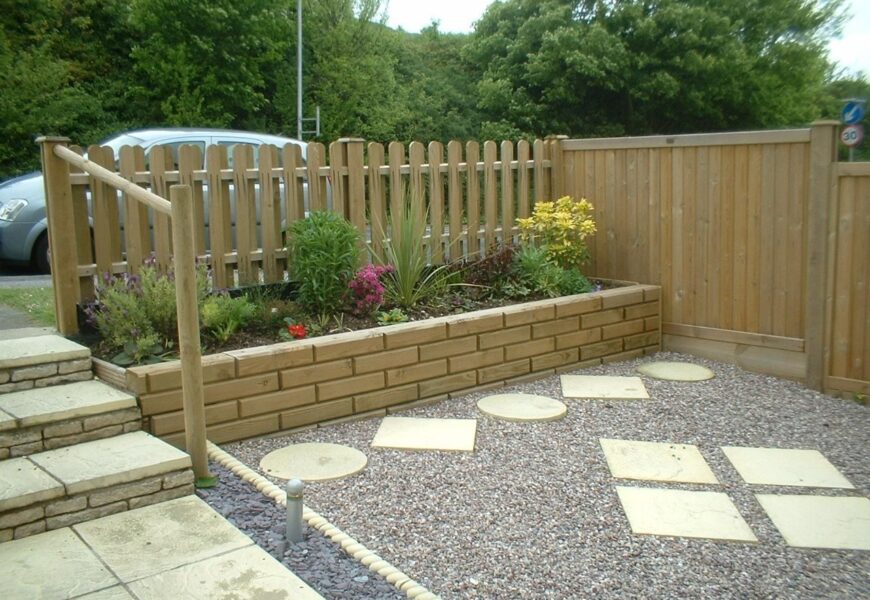
Fencing your yard doesn’t have to drain your savings — but choose the wrong material, and that initial saving disappears faster than you’d expect. Knowing where to spend and where to hold back makes all the difference.
A large number of homeowners hold the belief that a solid, good-looking fence requires a significant financial commitment. That assumption has quietly cost people thousands of dollars in unnecessary spending over the years. The reality is that the most inexpensive fence options available today are genuinely better than they used to be — stronger, better looking, and far easier to install than earlier generations of budget fencing.
Whether you need to fence off a backyard, create a defined garden border, keep pets safely contained, or simply add a layer of privacy between you and the neighbors, there is a budget-friendly fencing solution built for your situation. This guide walks through each option with real cost figures, honest trade-offs, and practical guidance you can actually use.
Why Fencing Costs Vary So Much
Before settling on a material, it helps to understand what shapes fencing costs in the first place. Many people zero in on the price per panel and stop there — but that number alone tells only part of the story.
Four factors consistently drive the total cost of any fencing project:
- Material type – the single biggest cost variable across all projects
- Linear footage – the longer your fence line runs, the higher your total spend
- Labor – DIY installation versus professional work can shift costs by 50–70%
- Terrain – sloped, rocky, or uneven ground adds time, equipment, and expense
A standard backyard fence covering a 150-foot perimeter can run anywhere between $300 and $5,000 or more, depending entirely on how those four factors combine. That range is not an exaggeration. The material choice alone can shift your final number by thousands of dollars.
The 6 Most Inexpensive Fence Types Compared
1. Chain Link Fence – The Classic Budget Winner
When cost is the primary concern, chain link stands out as the most inexpensive fence available on the market. It has maintained its place as a reliable fencing choice for decades — not because it is the most attractive option, but because it consistently does what it is supposed to do.
Average cost: $5–$20 per linear foot installed DIY cost: As low as $3–$8 per foot
Chain link fencing is not designed to impress at first glance, but its performance record is difficult to argue with. Galvanized chain link resists rust effectively, requires very little ongoing maintenance, and holds up for 20 years or more under normal conditions. It is commonly used for dog runs, perimeter boundaries, sports enclosures, and utility areas where function matters far more than appearance.
For homeowners who want something more visually refined, privacy slats threaded through the links add a degree of screening and a cleaner overall look for roughly $1–$2 per foot more. It is a practical upgrade that keeps the project firmly within budget.
Best for: Pet containment, utility fencing, large perimeters on tight budgets
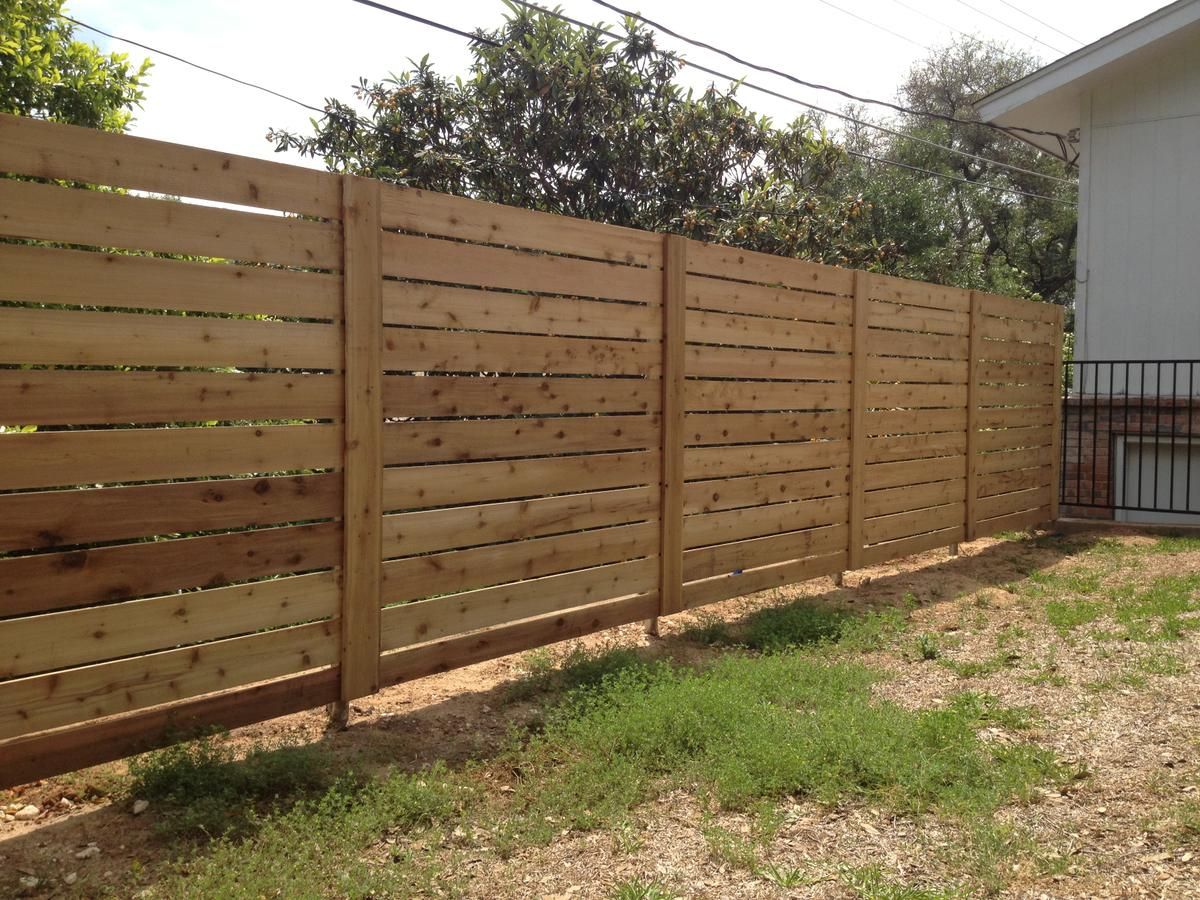
2. Wood Picket or Split Rail Fence – Charming and Affordable
Wood fencing has long been the defining image of residential property boundaries across North America. A well-built picket or split-rail fence remains one of the most inexpensive fence options that still reads as deliberate, well-considered, and attractive rather than something put together purely to save money.
Average cost (picket): $10–$25 per linear foot installed DIY cost: $4–$12 per linear foot
The key to keeping wood fence cost per foot manageable is selecting pressure-treated pine, which holds up against moisture and insects without carrying the premium price tag of cedar or redwood. Split rail fencing — the classic two- or three-rail design — tends to run even lower in cost, simply because it uses considerably less material than a solid picket design.
That said, wood does require a commitment to upkeep. Sealing or staining every two to three years, combined with an annual inspection for early signs of rot, keeps the fence looking good and structurally sound. Ignore that routine, and a $1,200 fence can quietly turn into a $2,000 replacement project before the decade is out.
Real-world example: A homeowner in rural Tennessee enclosed half an acre using split-rail pressure-treated pine for under $600 in materials. After two weekends of DIY installation, the result had the look of an established country property — achieved for less than many people spend on a short vacation.
Best for: Front yard aesthetics, garden borders, property line marking
3. T-Post and Wire Fence – The Most Inexpensive Fence for Large Land
For owners of larger plots — rural land, working farms, or oversized suburban lots — T-post and wire fencing holds the title of most inexpensive fence on a per-foot basis. Nothing else in this category comes close.
Average cost: $1–$3 per linear foot (materials only)
The method is straightforward: steel T-posts are driven into the ground at measured intervals, with wire — or barbed wire on agricultural properties — stretched and secured between them. The result can cover hundreds of feet of perimeter for a few hundred dollars in total material cost. It is not a decorative solution, and it was never intended to be. But for keeping livestock contained, marking a clear property boundary, or protecting a large vegetable garden from deer pressure, it is hard to beat from a cost standpoint.
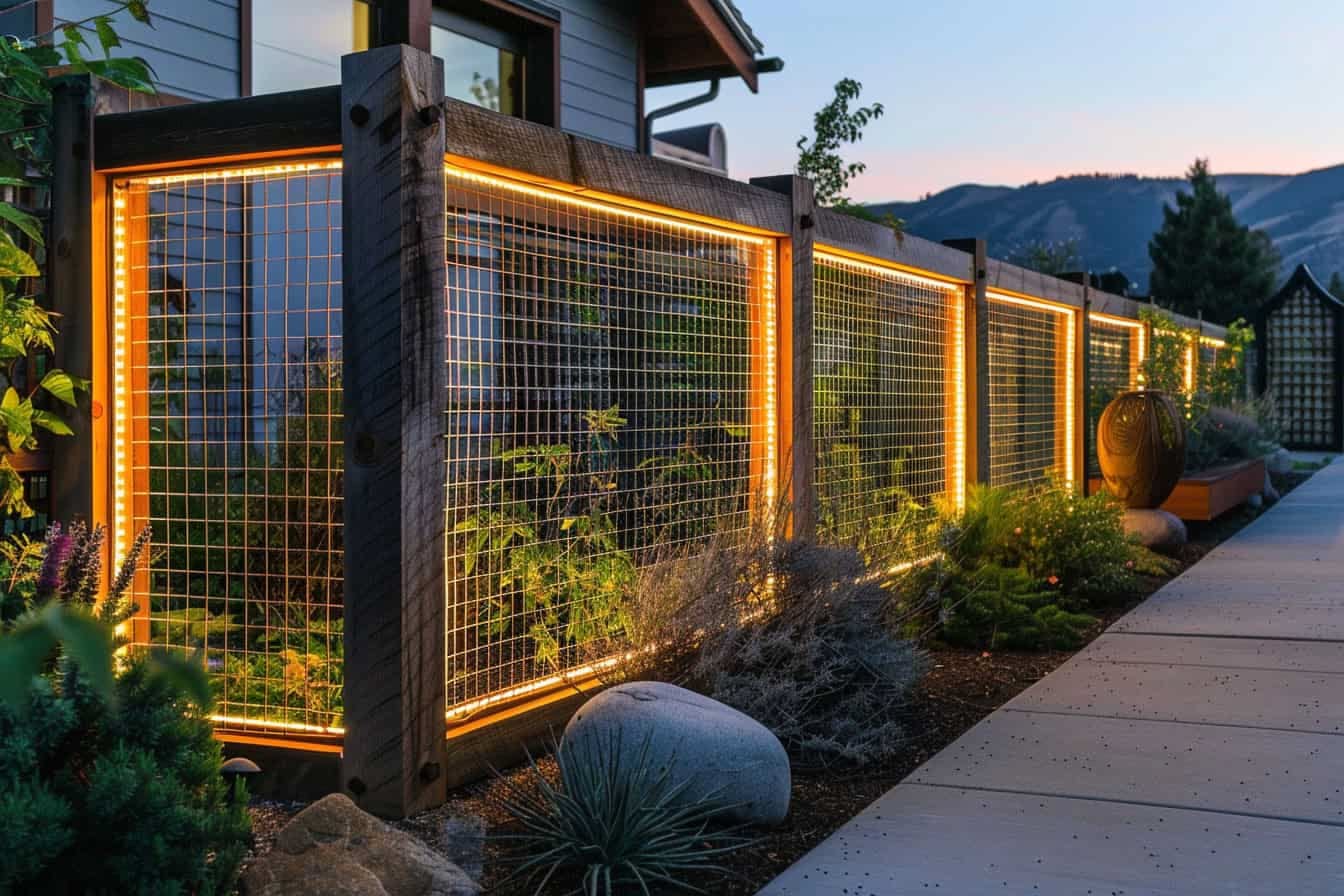
In residential settings, welded wire or hardware cloth attached to T-posts gives a noticeably cleaner appearance than barbed wire while still effectively keeping rabbits and other small animals away from garden beds.
Best for: Large acreage, rural properties, garden protection
4. PVC or Vinyl Fence – Higher Upfront, Lower Long-Term
Vinyl fencing carries a higher purchase price than wood, which sometimes causes budget-conscious buyers to pass it over. Over a 20–30 year lifespan, however, the total cost of ownership frequently comes out lower. There is no painting involved, no staining schedule to track, and no rot to deal with. Routine cleaning with a garden hose is typically all it needs.
Average cost: $20–$35 per linear foot installed DIY cost: $12–$22 per linear foot
It is worth remembering that the most inexpensive fence is not always the one carrying the smallest price tag. Anyone who has watched a neglected wood fence slowly warp, gray, and split over five or six years — because a previous owner skipped the maintenance — already understands why vinyl’s long-term value proposition is worth considering.
Entry-level vinyl panels from major home improvement retailers have come down noticeably in price over recent years. Basic white vinyl picket fencing now starts at roughly $12–$15 per foot for DIY installation, putting it in genuine competition with properly maintained wood over the same period.
Best for: Low-maintenance families, suburban privacy fencing, long-term value
5. Bamboo or Reed Fence – Fast, Natural, and Surprisingly Affordable
Bamboo fencing occupies an interesting position in the budget fencing category. It is not marketed as a heavy-duty long-term solution, but as an affordable fence idea for garden screening, patio privacy, or temporary boundaries, it performs remarkably well. It is also among the more environmentally responsible choices available.
Average cost: $1–$3 per linear foot (roll panels)
Bamboo and reed roll fencing is typically sold in 50-foot rolls priced between $50 and $100, which means a modest backyard screen can be installed for very little. The panels attach to existing posts or a basic timber frame with zip ties or wire, and the result looks natural and finished rather than improvised.
The realistic limitation is longevity. Bamboo fencing exposed to outdoor conditions will begin to look weathered within three to seven years. At the price point involved, however, that trade-off is easy to accept — replacement is neither costly nor particularly time-consuming.
Best for: Patio screening, garden aesthetics, rental properties, temporary use
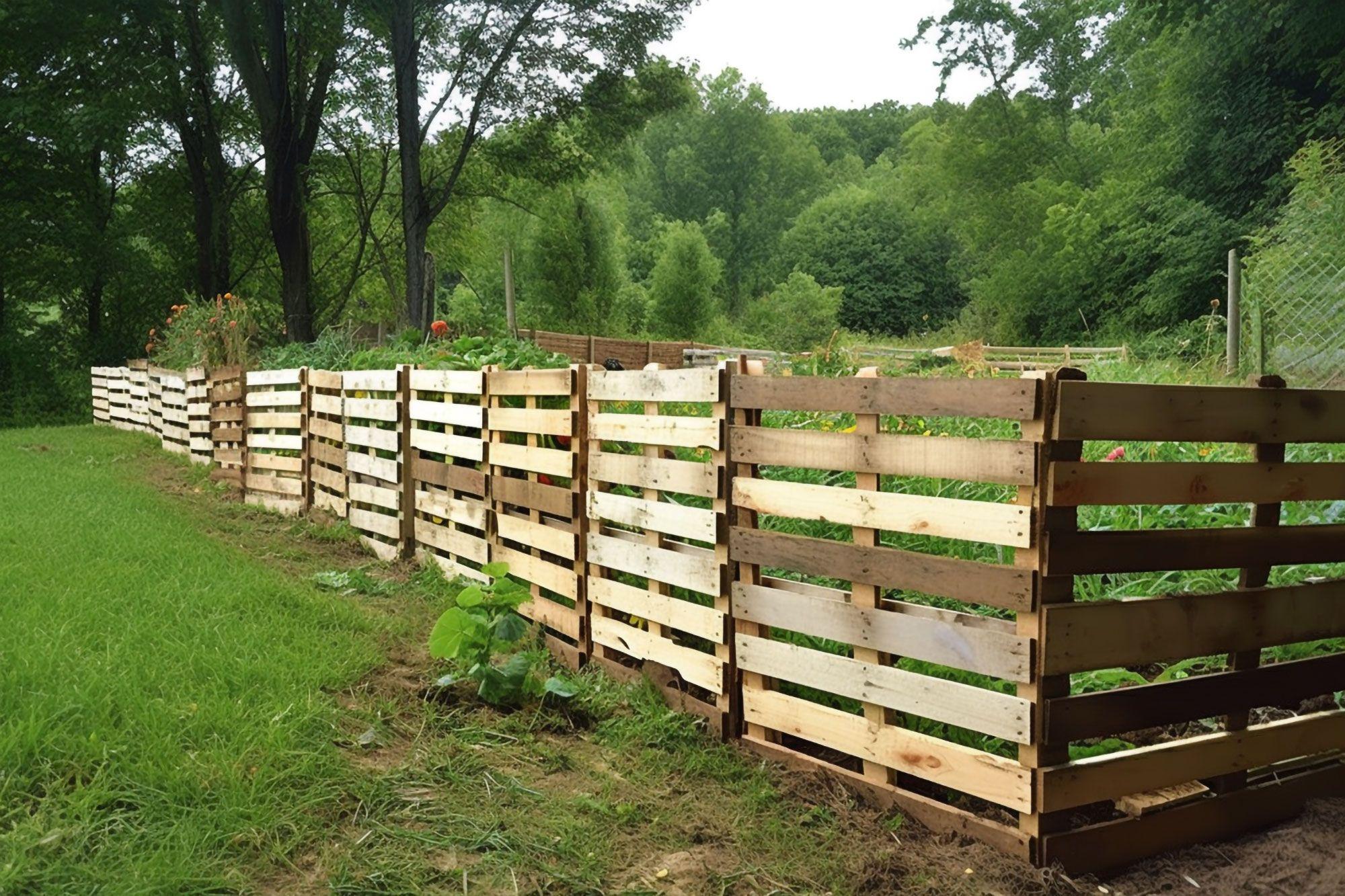
6. Pallet Wood Fence – The Ultra-Budget DIY Option
For those seeking the absolute most inexpensive fence and willing to invest time rather than money, reclaimed wood pallets offer a genuinely viable path. Local businesses, warehouses, and distribution centers regularly need pallets removed and will often part with them at no cost.
Actual material cost: $0–$2 per pallet
The construction process is what it sounds like — pallets stood upright, attached to fence posts, and finished with paint or stain. Executed carefully, a pallet fence carries a solid rustic character. Executed poorly, it looks unfinished and temporary in a way that reflects poorly on the property.
Getting it right comes down to sourcing, preparation, and finishing. Source clean pallets and avoid those carrying chemical treatment marks other than the standard HT (heat treated) designation. Sand the surfaces to remove splinters and rough grain, apply a quality exterior weather sealant, and finish with a single consistent paint color. That combination of steps takes a free material and turns it into a fence that looks considered and well-built.
Best for: Creative DIYers, garden enclosures, ultra-tight budgets
Fencing Cost Comparison Table
| Fence Type | Material Cost/Linear Ft | Installed Cost/Linear Ft | Lifespan | Maintenance |
|---|---|---|---|---|
| Chain Link | $3–$8 | $5–$20 | 20–30 years | Very low |
| Wood Picket | $4–$12 | $10–$25 | 10–15 years | Medium |
| T-Post & Wire | $1–$3 | $1–$5 | 15–20 years | Low |
| Vinyl/PVC | $12–$22 | $20–$35 | 25–40 years | Very low |
| Bamboo/Reed | $1–$3 | $1–$4 | 3–7 years | Low |
| Pallet Wood | $0–$2 | $0–$5 | 5–10 years | Medium |
How to Make Any Budget Fence Look Better
Even the most inexpensive fence can present itself well with a few deliberate finishing details. The difference between a budget fence that looks thoughtful and one that looks rushed often comes down to a handful of small decisions made at the end of the project.
Consistent post spacing — Irregular gaps between posts draw the eye immediately and signal a lack of planning. Measuring carefully and maintaining even intervals costs nothing extra and improves the overall appearance significantly.
Post caps — A simple decorative cap priced at $2–$5 per post adds a finished quality to even a basic chain link or wood fence. It also serves a practical purpose by channeling water away from the top of the post, which extends its lifespan.
Uniform color — When painting or staining a wood or pallet fence, committing to a single consistent color throughout is one of the most effective steps available. Mixed or uneven tones are the fastest way to make a low cost fence panel installation look improvised rather than planned.
Plant screening — Climbing plants such as jasmine, ivy, or climbing roses grown along the fence line create a natural green screen that changes the character of the fence entirely. This approach works particularly well with bamboo and chain link, softening materials that would otherwise read as purely functional.
Landscape edging — Running a simple edging strip along the base of the fence and filling the space with gravel or bark mulch frames the structure and ties it visually to the rest of the yard. It is a small addition that makes the fence feel like part of a considered landscape rather than an afterthought.
DIY vs. Professional Installation: What’s the Real Difference?
Here is a question that deserves an honest answer: is DIY fencing actually the smarter path, or does professional installation offer better overall value for money?
The truthful answer depends on three things — the scale of the project, the installer’s skill level, and how much time is available.
For a fence running 50–100 feet across relatively flat ground, DIY installation is well within reach for most homeowners who are reasonably comfortable with physical outdoor work. The steps involved — marking the fence line, digging post holes, setting posts in concrete, and attaching rails and panels — require patience and attention to detail more than any specialist expertise.
For a project covering 300 feet or more across sloped terrain with multiple corners and a gate, the case for professional installation becomes considerably stronger. Alignment errors compound over longer distances in ways that are difficult to correct after the fact, and posts that are not properly set are consistently the primary reason budget fences deteriorate ahead of schedule.
Rough DIY savings estimate: 40–60% off the installed cost, depending on labor rates in your region.
One practical suggestion for anyone going the DIY route: rent a post hole digger rather than digging manually. The rental cost runs approximately $50–$75 for a half-day, and the time and physical effort saved are considerable — particularly on projects with more than a dozen posts.
Common Mistakes That Turn a Cheap Fence Into an Expensive Problem
Even the most inexpensive fence can become a costly repair project if a few foundational steps are overlooked. These are the errors that show up most frequently on budget fencing projects:
- Skipping concrete on posts — Posts packed into compacted soil without concrete will begin to lean noticeably within one to two years, particularly in areas with seasonal rain or ground movement
- Not calling 811 — Underground utility lines run through residential properties in locations that are not always obvious. Calling 811 before digging is a legal requirement in many areas and a basic safety step everywhere
- Ignoring frost line depth — In colder regions, posts set above the frost line will be pushed upward by soil expansion each winter, a process that gradually destroys the fence’s structural integrity
- Buying the cheapest hardware — Screws, brackets, and fasteners are not the place to cut costs. Standard steel hardware corrodes quickly outdoors; galvanized or stainless alternatives cost only marginally more and last far longer
- No gate planning — Gate installation requires more precision than any other part of a fence project. Deciding on gate placement, opening direction, and hardware before purchasing materials prevents costly revisions later
Frequently Asked Questions About Inexpensive Fencing
What is the absolute cheapest fence you can build?
On a strict material cost basis, the most inexpensive fence available is T-post and wire fencing, which can be installed for as little as $1 per linear foot. For residential properties where appearance matters more than on agricultural land, bamboo roll fencing and reclaimed pallet wood come very close in cost while offering a more visually suitable result in a neighborhood setting.
How long does a cheap wood fence last?
A pressure-treated wood fence that receives proper care — sealing or staining on a two-to-three-year cycle — can remain structurally sound for between 12 and 20 years. A fence that receives no maintenance at all will typically show significant deterioration within seven to ten years, at which point repair costs can approach replacement cost.
Is vinyl fencing really cheaper than wood long-term?
Over a 20–30 year ownership period, vinyl fencing is frequently the lower-cost option when total expenditure is calculated rather than just the initial purchase price. The absence of painting, staining, rot treatment, and board replacement costs means the gap between vinyl and wood widens considerably over time. The upfront investment is higher, but the ongoing cost is close to nothing.
Can I install a fence without a permit?
In many municipalities, permits are not required for fences below a specified height — commonly six feet — that meet setback requirements from property lines. However, local rules differ substantially, and HOA guidelines add another layer of regulation in many communities. Checking with your local building department before breaking ground is always the sensible step. Permit violations can result in fines or mandatory removal that cost far more than the permit would have.
What’s the most inexpensive fence for a dog?
For reliable pet containment, chain link is the most inexpensive fence that consistently does the job. It provides secure containment, allows good visibility so dogs are less likely to become agitated by unseen activity outside the fence, and holds up well to physical pressure over time. Adding a tension wire along the bottom of the fence discourages digging, which is the most common way dogs escape from chain link enclosures.
Conclusion: The Smart Approach to Budget Fencing
The most inexpensive fence is not necessarily the one priced lowest per linear foot at the point of purchase. The better measure is the fence that meets your specific functional requirements, holds up for the period you need it, and does not return as a repair or replacement expense two or three years into its life.
For the majority of homeowners working within a tight budget, chain link, pressure-treated wood, and T-post wire fencing represent the most reliable combinations of low cost and reasonable durability. Vinyl earns its place when the project timeline extends far enough for long-term savings to materialize. Bamboo and pallet wood work well in lower-stakes applications where aesthetics and creativity take priority over permanence.
Your action step: Before purchasing any material, measure your fence line carefully, define your primary objective — whether that is privacy, pet containment, visual appeal, or boundary marking — and confirm what your local municipality requires in terms of permits. From there, select the most inexpensive fence type that genuinely serves those defined needs, rather than defaulting to whatever carries the lowest unit price on the shelf.
A fence, installed correctly and matched to its purpose, adds real daily value to a home. Getting that decision right without overspending is entirely achievable with the right information in hand.