Your plants are growing — but something still feels off. The leaves carry a strange dark green, almost bluish cast. The stems look thin and weak. Those tomatoes that should have been flowering two weeks ago? Barely a bud in sight. If any of this sounds like your garden right now, there’s a good chance you’re dealing with a phosphorus problem.
Phosphorus is the quiet workhorse of plant nutrition. It drives root development, powers the flowering cycle, and moves energy through every living cell of a plant. Without it, even a well-prepared garden bed with rich, dark soil will consistently underperform. Choosing the best phosphorus fertilizer for your specific plants and soil conditions can genuinely be the difference between a struggling season and one that exceeds your expectations.
This guide walks through what to look for, what to avoid, and which products reliably deliver results — whether you’re tending a backyard vegetable garden, managing a small farm operation, or caring for houseplants that haven’t looked quite right in months.
Why Phosphorus Matters More Than Most Gardeners Realize
It’s tempting to jump straight to product recommendations, but understanding what phosphorus actually does inside a plant changes how you think about applying it.
Phosphorus (P) is a macronutrient that plays a central role in adenosine triphosphate (ATP) production — which is essentially the energy currency of all living cells. Every time a plant photosynthesizes, stores sugars, or moves water through its tissues, phosphorus is part of that process. It also plays a major role in DNA and RNA synthesis, directly affecting cell division and, by extension, growth speed, fruit set, and seed development.
So when experienced gardeners say the best phosphorus fertilizer helps with “roots and blooms,” what they mean — more precisely — is that it fuels nearly every growth-intensive process a plant undergoes. That’s not a minor point. That’s the whole game.
Signs your plant may be phosphorus deficient:
- Leaves turning purplish or reddish-brown, particularly on the undersides
- Dark green, almost blue-tinged foliage that looks heavy and dull
- Slow, stunted growth despite consistent watering and good light
- Delayed flowering or very poor fruit development as the season progresses
- Weak root systems that struggle to anchor the plant firmly in the soil
One important note: phosphorus deficiency symptoms can look a lot like cold stress or certain fungal issues. Running a soil test before applying the best phosphorus fertilizer is always the smarter first step — it removes the guesswork entirely.
How to Choose the Best Phosphorus Fertilizer: What the Numbers Really Mean
Walk into any garden center and you’ll see fertilizer bags labeled “5-10-5” or “0-46-0” or “10-20-10.” That middle number represents phosphorus — expressed as phosphate (P₂O₅). The higher it is, the more phosphorus is available per application.
But those numbers alone don’t tell the full story. Soil pH has a profound influence on whether phosphorus actually reaches your plant roots, or simply binds to soil particles and sits there doing nothing. In soils with a pH below 5.5 or above 7.5, phosphorus becomes essentially locked away — even if you’ve applied generous amounts. The optimal range for phosphorus uptake sits between a soil pH of 6.0 and 7.0.
Key factors when selecting the best phosphorus fertilizer:
- Soil test results — establish your baseline before adding anything to the soil
- Soil pH — adjust if necessary before or alongside any fertilizer application
- Application timing — phosphorus moves slowly through soil profiles, so working it in before planting tends to be far more effective than surface top-dressing
- Organic vs. synthetic — each comes with real trade-offs in release speed, cost, and long-term soil health impact
- Crop or plant type — fruiting vegetables, flowering perennials, and lawns each have meaningfully different phosphorus requirements
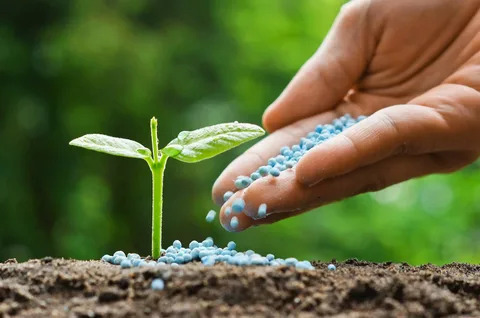
The 7 Best Phosphorus Fertilizers Worth Your Money
1. Triple Superphosphate (0-46-0) — Best for High-Phosphorus Boost
Triple superphosphate, commonly referred to as TSP, is the go-to product when a plant or soil genuinely needs a significant phosphorus correction. With a phosphate content of 46%, it ranks among the most concentrated forms commercially available. A relatively small application rate goes a long way.
TSP is fully water-soluble, which means phosphorus becomes accessible to roots fairly quickly after application. It performs best when incorporated directly into the soil before planting rather than applied as a surface amendment — because working it into the root zone gives plants immediate access. Commercial vegetable growers have relied on TSP for pre-plant soil preparation for decades, and it remains a trusted standard for good reason.
Best for: Phosphorus-deficient soils, pre-plant bed preparation, vegetable gardens
2. Diammonium Phosphate / DAP (18-46-0) — Best All-Purpose Granular
DAP is one of the most widely used phosphorus fertilizers in the world, and its popularity is well earned. It delivers both nitrogen and phosphorus in a stable granular form that’s straightforward to broadcast across large areas or band near seed rows.
The 18% nitrogen content gives seedlings and newly transplanted starts an early boost, while the 46% phosphate supports strong root establishment from the very beginning. Farmers frequently rely on DAP as a starter fertilizer specifically because healthy early root development translates to better plant performance throughout the growing season — and that downstream benefit is hard to replicate with later applications.
Best for: Row crops, seed starting, large garden beds, overall plant establishment
3. Bone Meal (3-15-0) — Best Organic Phosphorus Fertilizer
For growers committed to organic practices, bone meal is widely considered the best phosphorus fertilizer available in that category. Made from steamed and finely ground animal bones, it releases phosphorus gradually as soil microbes break down the organic material. That slow-release characteristic is actually a genuine advantage — it’s quite difficult to over-apply bone meal, which makes it a more forgiving option for home gardeners.
Bone meal also contains a meaningful amount of calcium, which contributes to soil structure integrity and plant cell wall development. It’s a long-standing favorite among rose growers, bulb enthusiasts, and vegetable gardeners who prefer to avoid synthetic inputs entirely.
A useful real-world observation: gardeners who mix bone meal directly into planting holes when installing flower bulbs consistently report larger, more vibrant blooms the following spring. The reason is straightforward — those bulbs had steady, accessible phosphorus throughout their critical root-building phase underground.
Best for: Organic gardens, flower bulbs, roses, fruit trees, long-term soil building
4. Monoammonium Phosphate / MAP (11-52-0) — Best for Starter Fertilizer
MAP carries an even higher phosphorus content than DAP, making it one of the best phosphorus fertilizers for situations where maximum phosphate delivery per pound of product is the priority. It’s highly water-soluble and slightly acidifying in effect — which can work in your favor in alkaline soils where phosphorus uptake is typically compromised.
Many precision-oriented farmers use MAP in in-furrow starter applications, placing it directly in the seed row so emerging roots encounter phosphorus immediately. It requires careful rate management, but when used correctly, the results are hard to argue with.
Best for: Alkaline soils, in-furrow starter applications, high-value crops
5. Superphosphate (0-20-0) — Best Budget-Friendly Option
Regular superphosphate is the older, less concentrated sibling of triple superphosphate — with a phosphate level of around 20%. That lower concentration is actually an asset for smaller garden applications, because it’s genuinely easier to apply at the right rate without risking excess.
As a byproduct of its manufacturing process, superphosphate also contains sulfur and calcium, both of which offer secondary soil benefits. For gardeners working within a tighter budget who want a reliable, no-fuss best phosphorus fertilizer without the premium cost of TSP, superphosphate has served growers dependably for generations.
Best for: Home gardens, budget-conscious growers, soils that could also benefit from additional sulfur
6. Rock Phosphate — Best for Long-Term Soil Building
Rock phosphate is a naturally mined mineral that releases phosphorus very gradually over multiple growing seasons. It won’t correct an acute deficiency in time for this year’s crop — that needs to be clearly understood upfront. But as a long-term soil investment, particularly in organic systems, it has a role that faster-acting products simply cannot fill.
Soft rock phosphate releases more readily than the hard variety, though even the soft form performs best in acidic soils where microbial communities are active enough to help break it down. It’s commonly used in permaculture designs and no-till farming systems where building soil fertility across years — not weeks — is the underlying philosophy.
Best for: Long-term organic soil building, acidic soils, permaculture and regenerative systems
7. Liquid Phosphoric Acid / Foliar Phosphorus Sprays — Best for Fast Correction
When a plant is visibly phosphorus-deficient and time is genuinely short, foliar phosphorus sprays offer a corrective path that bypasses the soil entirely. These products are absorbed directly through leaf surfaces within hours of application — providing a meaningful response window that no soil-applied product can match.
They are not a replacement for a solid soil-based fertilization program. But as a targeted emergency tool for greenhouse crops, high-value ornamentals, or plants showing acute symptoms heading into a critical growth stage, they have clear practical value. Always follow product label rates with care — these are concentrated formulations, and misapplication is a real risk.
Best for: Rapid deficiency correction, greenhouse crops, high-value plants showing acute phosphorus symptoms
Phosphorus Fertilizer Comparison Table
| Fertilizer | N-P-K | Phosphate % | Release Speed | Organic? | Best Use |
|---|---|---|---|---|---|
| Triple Superphosphate (TSP) | 0-46-0 | 46% | Medium-Fast | No | Pre-plant soil correction |
| DAP | 18-46-0 | 46% | Medium-Fast | No | General purpose, starter |
| Bone Meal | 3-15-0 | 15% | Slow | Yes | Organic gardens, bulbs |
| MAP | 11-52-0 | 52% | Fast | No | Alkaline soils, in-furrow |
| Superphosphate | 0-20-0 | 20% | Medium | No | Budget-friendly, general use |
| Rock Phosphate | 0-3-0 | 3% | Very Slow | Yes | Long-term soil building |
| Foliar Phosphorus | Varies | Varies | Very Fast | Varies | Emergency deficiency fix |
Common Mistakes When Using Phosphorus Fertilizer
Even the best phosphorus fertilizer will underperform if applied incorrectly. The mistakes below are more common than most growers would care to admit — and each one is entirely avoidable.
Skipping the Soil Test
This is, without question, the most costly mistake. Many soils in long-farmed regions already carry excessive phosphorus from years of routine fertilization. Adding more doesn’t benefit the plants — it contributes to phosphorus runoff into waterways and can actually suppress the availability of zinc and iron in the soil. A basic soil test takes the guesswork out of the equation and often saves money in the process.
Ignoring Soil pH
Purchasing the best phosphorus fertilizer on the market means very little if your soil pH is working against you. At pH 8.0, applied phosphorus binds tightly to calcium and becomes essentially unavailable to roots. At pH 4.5, it locks onto iron and aluminum with similar results. Correct the pH first. Fertilize second. That order matters.
Applying at the Wrong Time
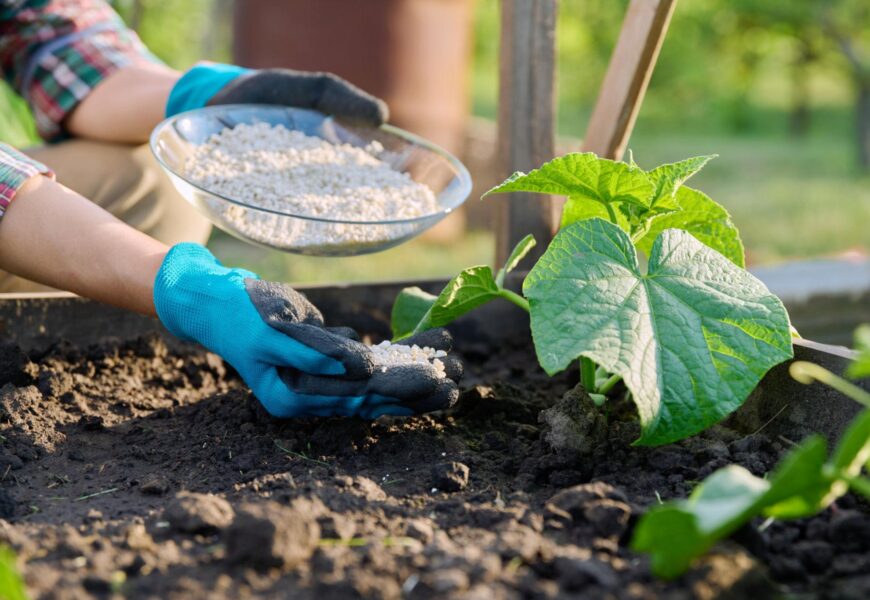
Phosphorus does not travel quickly through soil the way nitrogen does. Surface applications on established turf or densely planted beds tend to have limited effectiveness. For best results, incorporate phosphorus fertilizers into the active root zone — either ahead of planting or through banding directly near the seed row.
Over-Relying on One Nutrient
Phosphorus functions best within a balanced nutritional program. A plant that receives generous phosphorus but insufficient nitrogen often stalls in its growth regardless. The best phosphorus fertilizer is always one part of a complete, well-considered nutrition strategy — not a single-ingredient solution applied in isolation.
Real-World Example: How One Farmer Corrected a Phosphorus Deficiency
A small vegetable operation in the mid-Atlantic region was experiencing consistently poor pepper yields across multiple seasons, despite solid irrigation management and a clean pest control record. A soil test identified the root cause: phosphorus levels had fallen below 10 ppm in fields that require 30–50 ppm for productive pepper growth.
The farmer applied DAP as a pre-plant broadcast at 200 lbs per acre, worked it into the top 6 inches of soil, then followed up with a bone meal side-dress application partway through the season. By harvest, pepper yields had improved by roughly 40% compared to the two preceding years. In this case, the best phosphorus fertilizer approach turned out to be a deliberate combination — synthetic for speed of availability, organic for sustained release across the full growing period.
That pairing strategy is worth keeping in mind. Fast-release synthetic phosphorus addresses the immediate plant need; slow-release organic sources support the soil longer term. Used together, they often outperform either product applied alone.
Phosphorus and the Environment: A Note Worth Reading
Any honest discussion of the best phosphorus fertilizer has to acknowledge the environmental dimension. Phosphorus is a finite, mined resource, and when over-applied, it becomes a serious ecological concern. Phosphorus runoff is one of the leading contributors to algal blooms in lakes, rivers, and coastal waterways — a process called eutrophication, which depletes dissolved oxygen and disrupts aquatic ecosystems in ways that can take years to reverse.
Responsible application means:
- Testing soil before applying any phosphorus product
- Avoiding applications near waterways or immediately before heavy rainfall events
- Calibrating rates to actual soil deficits rather than applying generously “just in case”
- Giving organic phosphorus options genuine consideration where practical
Productive farming and gardening means working with natural systems thoughtfully — not pushing against them.
Frequently Asked Questions
What is the best phosphorus fertilizer for tomatoes?
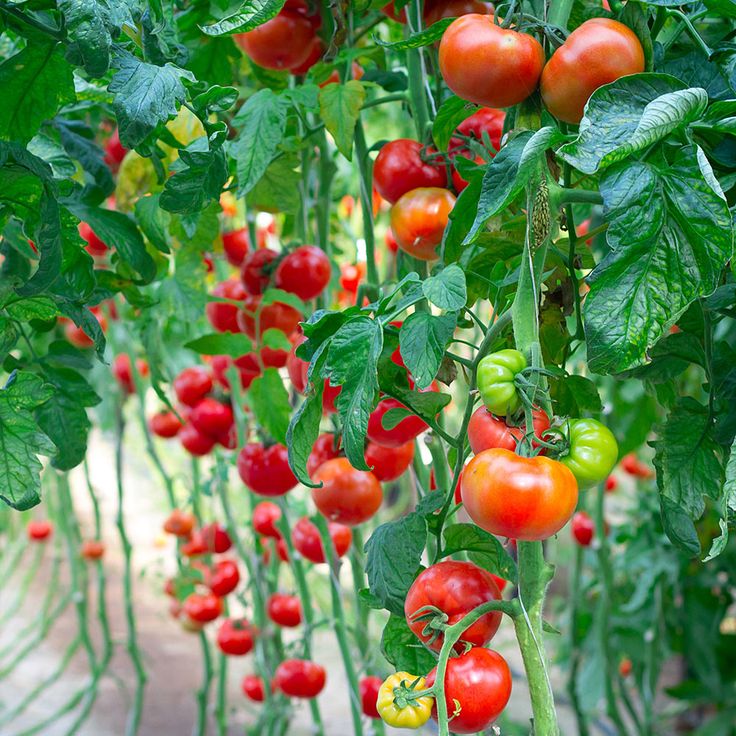
Tomatoes respond well to well-timed phosphorus, particularly at transplant. Bone meal worked directly into the planting hole or a DAP starter fertilizer applied in-furrow are both reliable choices for establishing strong early roots. As the plant moves into early fruiting, a foliar phosphorus spray can provide support during heavy fruit set. The best phosphorus fertilizer for tomatoes is generally one that delivers phosphorus steadily across both the root development and bloom stages — a combination of bone meal at planting and a balanced NPK product through the season works well for most home gardeners.
Can I use too much phosphorus fertilizer?
Yes, and the consequences are real. Excess phosphorus in soil doesn’t remain harmlessly in place — it can actively suppress the availability of micronutrients such as zinc, iron, and manganese, triggering secondary deficiencies in plants that appeared otherwise healthy. It also poses environmental risks through runoff into water systems. The best phosphorus fertilizer program is one grounded in actual soil test data, not assumptions about what “more” might accomplish.
How quickly does phosphorus fertilizer work?
The timeline varies significantly by product type. Foliar sprays can produce visible improvement within a few days. Water-soluble granular products like DAP or MAP typically begin releasing within a week of application in adequately moist soil. Bone meal takes two to four weeks before measurable uptake begins. Rock phosphate operates on a much longer timeline — months to years — which is why it’s positioned as a soil-building tool rather than a deficiency fix.
Is bone meal or chemical fertilizer better for phosphorus?
Neither is categorically better. They serve genuinely different purposes, and framing it as a competition misses the point. Synthetic phosphorus fertilizers like TSP or DAP deliver phosphorus reliably and fast. Organic options like bone meal nourish the soil progressively and support the microbial activity that underpins long-term fertility. For most home gardeners, a combination of both approaches tends to produce the most consistent results across seasons.
What NPK ratio has the most phosphorus?
MAP (11-52-0) carries the highest phosphate percentage at 52%, followed by both TSP and DAP at 46%. For plants where flowering and fruiting are the primary goals, look for any fertilizer where the middle number is noticeably larger than the first and last — that’s your signal that phosphorus is the dominant nutrient in the formulation.
Conclusion: The Right Phosphorus Fertilizer Makes a Genuine Difference
Phosphorus rarely gets the recognition it deserves. It doesn’t attract the same attention as nitrogen, and it’s not as closely associated with visual results as potassium. But plants don’t respond to reputation — they respond to what’s actually available in the soil. And phosphorus is fundamental to nearly every growth process that matters, from root establishment in early spring to fruit development at the end of the season.
Choosing the best phosphorus fertilizer ultimately comes down to your soil’s current condition, your specific plants, your timeline, and your approach to organic versus synthetic inputs. There is no universal right answer — but there are clearly wrong starting points, and applying any phosphorus fertilizer without knowing your soil baseline is near the top of that list.
Here’s the practical takeaway: run a soil test this season, match your choice of best phosphorus fertilizer to what the results actually show, and address soil pH before anything else. Get those fundamentals in order, and even a modest, well-targeted application of the best phosphorus fertilizer for your situation will produce results that make the effort feel worthwhile.
Your plants will reflect the care you put into the decision. Start with a soil test, and let the data guide the rest.