Most gardeners quietly abandon their carrot beds the moment summer arrives. The soil bakes dry, the tops bolt before the roots are ready, and whatever does survive tastes more like cardboard than a vegetable. But here is something worth knowing before you give up: heat tolerant carrots are real, they perform well, and with a few deliberate choices, you can harvest sweet, firm roots even when afternoon temperatures push well past 85°F.
If you have ever pulled a homegrown carrot from summer soil and been genuinely disappointed by its woody, bitter taste, heat stress was almost certainly the cause. The encouraging part is that the problem is fixable — and it starts with choosing the right variety.
Why Most Carrots Struggle in the Heat
It helps to understand what is actually happening before reaching for solutions. Carrots are fundamentally a cool-season crop. They germinate most reliably between 55°F and 75°F, and they build their natural sweetness during periods of cooler soil temperature. Once sustained heat above 80°F settles in, several things begin to go wrong at the same time.
Root tissue becomes fibrous and loses color. The sugars responsible for that fresh, garden carrot flavor simply do not develop properly under thermal stress. The plant may bolt — sending up a flower stalk and shifting all its energy away from root production. And in dry, overheated soil, germination rates fall sharply because the seed surface dries out before a root tip can establish contact with moisture.
This is precisely why heat tolerant carrots matter so much for warm-climate gardeners. These are varieties that have been bred or carefully selected to perform in conditions that would completely ruin a standard Nantes or Imperator type.
What Makes a Carrot Heat Tolerant?
Not every carrot marketed as heat tolerant will actually deliver. Knowing which traits genuinely matter helps you make informed choices when browsing seed catalogs — and saves you from a disappointing summer harvest.
Root development under stress: Heat tolerant carrots tend to have shorter, more compact root systems. Chantenay and Danvers types are good examples. A shorter root does not need to reach as deep to access soil moisture, which becomes a real advantage during dry summer spells.
Slower bolting response: Certain varieties are less sensitive to long days and warm temperatures. They stay focused on root development rather than rushing toward flowering, which is exactly the behavior you want from summer carrot varieties.
Better color retention: Beta-carotene pigmentation can fade under intense heat. Heat tolerant carrot varieties are more likely to maintain their deep orange color and nutritional value even when conditions are challenging.
Stronger skin integrity: In hot, fluctuating conditions, the outer layer of the root needs to hold moisture without splitting or cracking. Well-adapted varieties handle this consistently better than standard types.
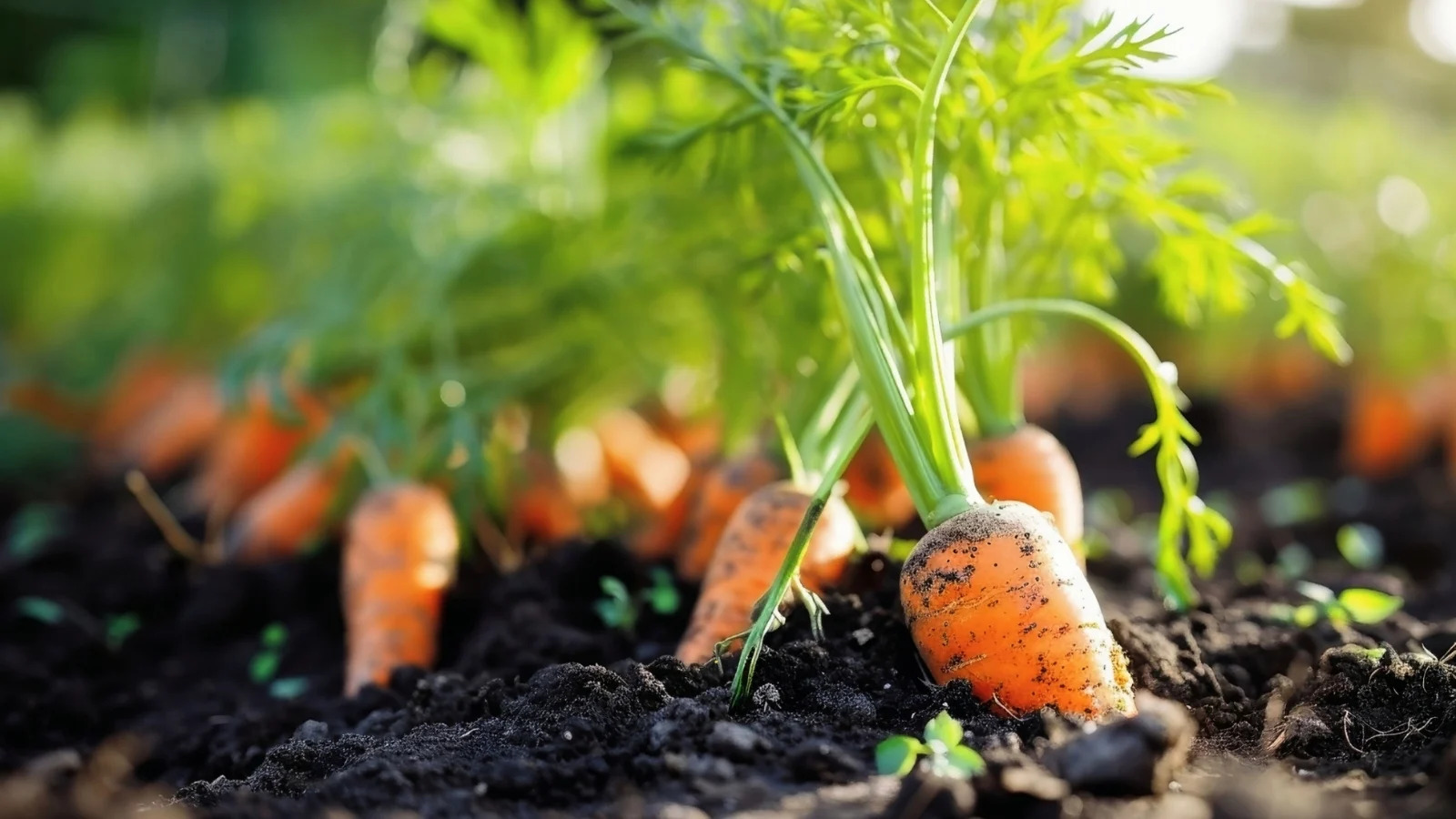
The 7 Best Heat Tolerant Carrot Varieties to Grow
Here is where the guidance becomes specific and actionable. These are varieties with real track records — grown by gardeners from Texas to Southeast Asia through genuine summer heat.
1. Danvers 126
Danvers 126 is probably the most widely trusted variety among growers focused on carrots in hot weather. Originally developed in Danvers, Massachusetts, it has built a strong reputation far beyond the Northeast. The roots are medium-length, broad at the shoulder, and taper to a point — well suited to clay or compacted soils where longer varieties would struggle. Its drought tolerance is exceptional, and its heat resistance consistently outperforms most other open-pollinated options.
Gardeners across the humid Southern states often turn to Danvers after Nantes varieties have let them down two seasons in a row.
2. Chantenay Red Core
For anyone working with rocky, heavy, or difficult soil, Chantenay is the practical choice. These are short, broad carrots — typically four to five inches — with a thick core and impressive storage life. Their compact shape means they develop properly without needing deeply worked, perfectly loose soil. Heat tolerance is solid, and the flavor, while slightly earthier than Nantes types, is genuinely good when roasted or added to slow-cooked dishes.
3. Imperator 58
Imperator types are closely associated with commercial carrot production, and for good reason — they produce that long, smooth, uniform root most people picture when they think of a carrot. Imperator 58 stands apart from other long-rooted varieties because it handles summer conditions more reliably, provided the soil is deep and drains well. It is one of the few long-rooted options that earns its place on a list of best carrots for warm climates.
4. Kuroda
Kuroda deserves special attention. It is a Japanese variety developed specifically for warm, humid growing conditions — a detail that immediately sets it apart from most other options on this list. The roots are thick, blocky, and deeply orange, often with more intense color than standard varieties. Even in less-than-ideal summer conditions, Kuroda produces sweet, flavorful roots. Gardeners across Asia, Australia, and the American South have adopted it as a reliable summer staple.
If there is one heat tolerant carrot worth prioritizing for a first summer trial, Kuroda is the one.
5. Solar Yellow
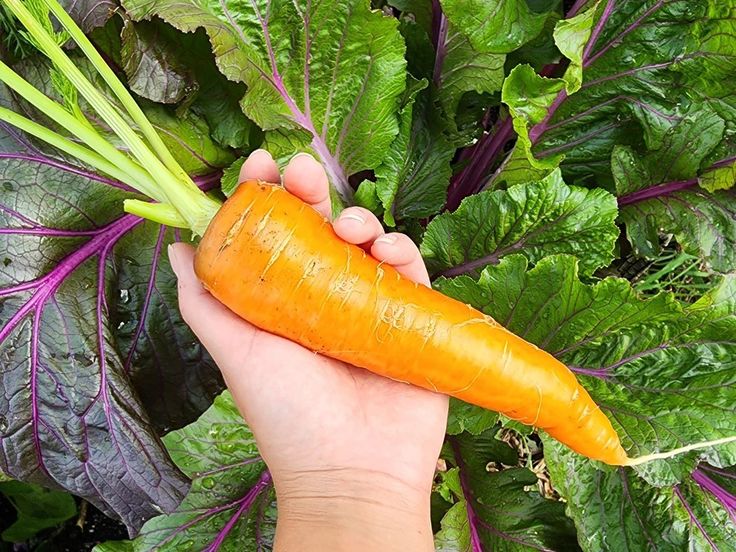
Yellow carrots are generally more forgiving in warm conditions than orange types, and Solar Yellow is a dependable representative of that group. It produces bright, mild-flavored roots that hold up well in warm soil without becoming bitter or fibrous. For gardeners interested in adding visual variety to their raised bed carrots summer harvest, it is a practical and reliable option.
6. Bolero
Bolero is a Nantes-type hybrid with meaningfully improved heat and disease resistance compared to standard Nantes varieties. It maintains good texture and sweetness even under stress, and it stores well after harvest. Market gardeners who need reliable performance across unpredictable weather conditions tend to come back to Bolero season after season.
7. Nelson
Nelson is a fast-maturing hybrid — around 58 days to harvest — which makes it a smart choice for gardeners looking to get roots out of the ground before peak summer heat arrives. The roots are smooth, slightly blunt-tipped, and consistently flavorful. Nelson transitions well from spring warmth into early summer, making it one of the more practical short-season carrots for timing-sensitive growers.
Heat Tolerant Carrot Varieties at a Glance
| Variety | Root Type | Heat Tolerance | Best For | Days to Maturity |
|---|---|---|---|---|
| Danvers 126 | Medium, tapered | Very High | Heavy/clay soils | 75 days |
| Chantenay Red Core | Short, chunky | High | Rocky/compacted soils | 70 days |
| Imperator 58 | Long, uniform | Moderate-High | Deep, loose soils | 75 days |
| Kuroda | Thick, blocky | Very High | Humid warm climates | 70 days |
| Solar Yellow | Medium | High | Variety & color | 65 days |
| Bolero (Hybrid) | Nantes-type | High | Market gardens | 75 days |
| Nelson (Hybrid) | Smooth, blunt | Moderate-High | Quick harvest | 58 days |
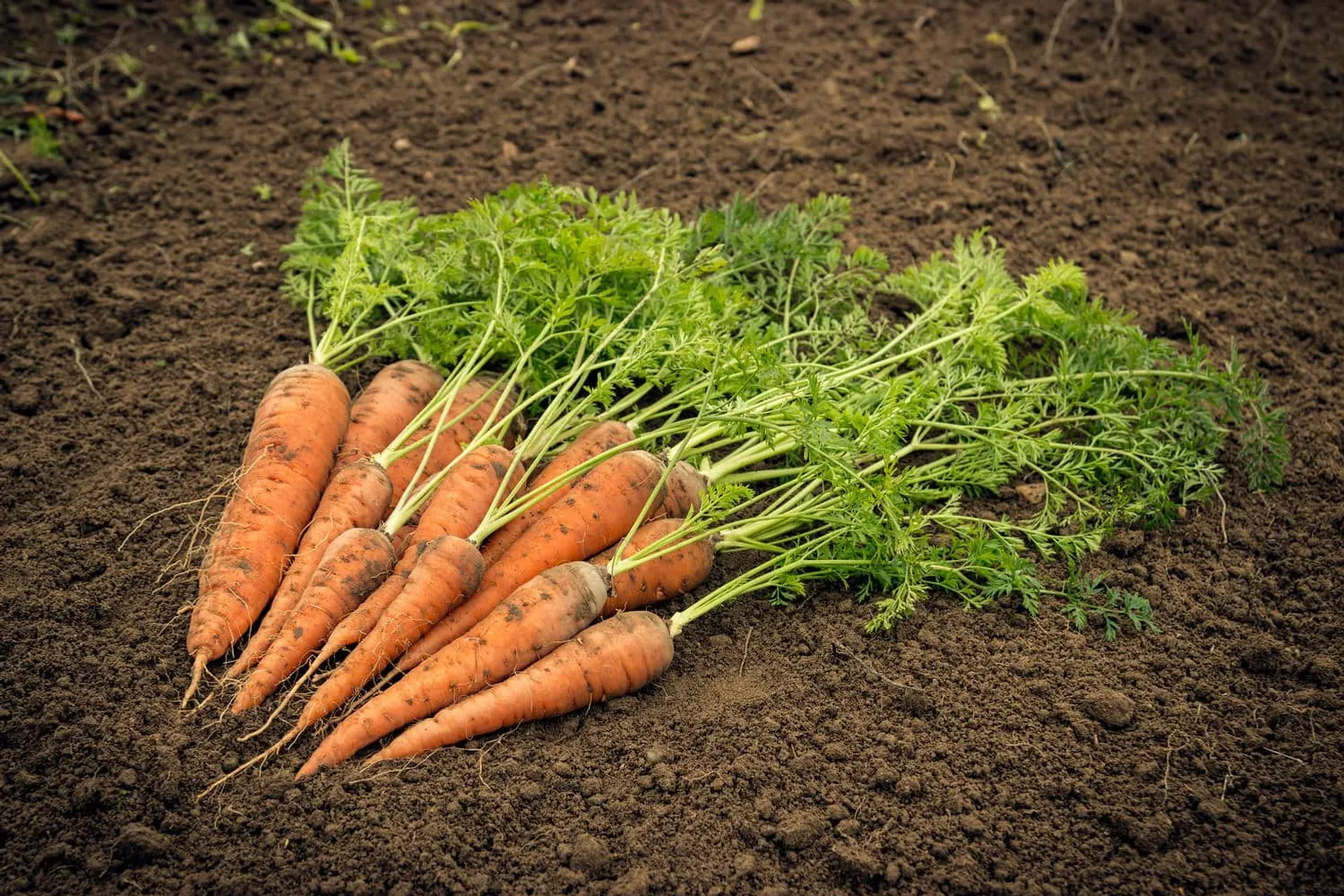
How to Successfully Grow Heat Tolerant Carrots in Summer
Selecting the right variety is an important first step, but it is not enough on its own. Even the most resilient heat tolerant carrots will underperform if the growing environment works against them. These are the practices that genuinely move the needle.
Soil Preparation Matters More Than You Think
Carrots require loose, deep, well-draining soil to form clean, properly shaped roots. This requirement becomes more critical in summer because compacted soil retains heat unevenly and dries out in unpredictable patterns. Work compost into your beds to a minimum depth of 12 inches before sowing. Avoid heavy nitrogen applications at planting time — excess nitrogen encourages lush top growth at the direct expense of root development.
If your garden has naturally heavy clay or rocky soil, growing carrots in hot weather is much more manageable in raised beds. A mix of roughly 60% topsoil, 30% compost, and 10% coarse sand gives roots the structure they need while allowing heat to dissipate more evenly through the profile.
Timing Your Planting Around the Heat
Strategic timing is one of the most underused carrot growing tips for warm climates. Even heat tolerant carrot varieties benefit from working with the season rather than against it. Most warm-climate gardeners have two reliable planting windows.
Early spring planting — Sow seeds eight to ten weeks before the average last frost date. This allows heat tolerant carrots to develop through the milder weeks and reach harvest size before sustained daytime temperatures push above 85°F.
Late summer and fall planting — In USDA zones 7 and warmer, sowing in late July or August for a fall harvest is often more productive than forcing a mid-summer planting. Seeds germinate in warm soil, and the roots mature as conditions gradually cool — which is when carrot flavor improves most noticeably.
Moisture Management: The Single Biggest Factor
Inconsistent watering is the fastest way to ruin a summer carrot planting. Heat tolerant carrots need steady, even moisture throughout the growing period — not waterlogged soil, but consistently damp at the root zone. During germination, which can stretch to 14 to 21 days in warm weather, the top inch of soil should never be allowed to dry completely.
Mulching is not optional here. A two- to three-inch layer of straw or shredded leaves over the carrot bed meaningfully reduces soil surface temperature and significantly slows moisture evaporation. Growers in particularly hot regions have reported that mulching alone reduced their germination time by nearly half, simply by keeping the seed zone cooler and more consistently moist.
Shade Cloth Can Be a Game Changer
This is arguably the most overlooked carrot growing tip for summer planting. A 30% to 40% shade cloth, suspended just a few inches above the bed surface, can reduce soil temperature by as much as 10°F during peak afternoon heat. For heat tolerant carrots in the germination and early seedling stages, that temperature reduction can determine whether a planting succeeds or fails entirely.
Once seedlings reach three to four inches in height and temperatures begin to moderate, the shade cloth can be removed.
Thinning for Better Root Development
Crowded roots compete directly for moisture and nutrients — a pressure that compounds significantly under heat stress. Thin seedlings to at least two inches apart, preferably three, once they reach about two inches in height. The thinned seedlings can go into salads as microgreens, so nothing is wasted. The roots you leave behind will develop larger, cleaner, and with noticeably better flavor.
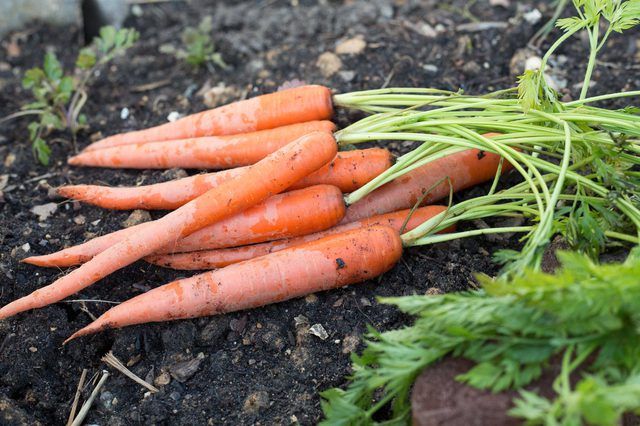
Common Problems When Growing Carrots in Heat (And How to Fix Them)
Bitter taste: This is almost always the result of heat stress during the root-filling stage. Harvest earlier to catch roots before bitterness sets in, increase watering frequency, or switch to a variety like Kuroda that is specifically adapted for warm and humid conditions.
Forked or twisted roots: Usually a soil obstruction issue — stones, hardpan, or dense clumps forcing the root tip to change direction. Deep soil preparation before sowing resolves most cases.
Poor germination: The most common summer frustration. Keep the top inch of soil consistently moist, use shade cloth during the hottest part of the day, and consider covering seeds with vermiculite rather than soil. Vermiculite retains moisture better and stays several degrees cooler than bare earth.
Green shoulders: Happens when the top of the root is exposed to direct sunlight. As plants grow, mound soil around the base regularly to keep shoulders covered.
A Real-World Example: Growing Heat Tolerant Carrots in Texas
A home gardener in Central Texas — where summer temperatures regularly reach 100°F or higher — documented her experience growing carrots in hot weather in a raised bed system. She planted Danvers 126 and Kuroda in early July, using 40% shade cloth over the bed and drip irrigation running twice daily for ten minutes each cycle.
By late September, she harvested a full bed of well-formed, genuinely sweet roots. Her most useful observation: the shade cloth changed everything. Soil surface temperature dropped from approximately 95°F to 83°F, and germination that had previously been almost nonexistent suddenly became reliable and consistent.
Her experience reflects a broader truth about growing carrots in hot weather successfully — it is rarely about one single change. It is the combination of the right variety, appropriate timing, and thoughtful microclimate management that produces results.
Frequently Asked Questions
Can you grow heat tolerant carrots in containers?
Yes, and the results can be quite good. Use a container at least 12 inches deep and wide. Fill it with a loose, well-draining mix rather than standard potting soil, which can compact too easily. Shorter varieties like Chantenay and Kuroda are the best fit for container growing. Plan to water more frequently than you would for in-ground beds, since containers lose moisture much faster in summer heat.
How do I know when heat tolerant carrots are ready to harvest?
Check the shoulder diameter at soil level. For most summer carrot varieties, a shoulder width of around three-quarters of an inch indicates the root is ready. You can gently loosen one root to check size before harvesting the whole bed. In hot weather, avoid leaving mature roots in the ground too long — they become pithy quickly and lose sweetness once the root-filling stage is complete.
Do heat tolerant carrots taste different from regular carrots?
Under good growing conditions, the difference is minimal. Varieties like Kuroda are actually described by many growers as slightly sweeter and more intensely flavored than standard Nantes types, even during summer production. Consistent moisture is the most important factor — well-irrigated heat tolerant carrots grown in summer can come surprisingly close to the flavor quality of a fall harvest.
What is the best fertilizer for heat tolerant carrots in summer?
A low-nitrogen, phosphorus-forward fertilizer works best for root development. A balanced formulation such as 5-10-10 applied at planting time supports strong root growth without encouraging excessive leaf production. High-nitrogen fertilizers push top growth at the expense of roots, which is counterproductive for any carrot planting.
Can I succession plant heat tolerant carrots through summer?
You can, though consistent results through peak heat are difficult to achieve. A more reliable approach is to make a single, well-prepared planting in late spring for early summer harvest, skip the hottest four to six weeks, and then sow again in late July for a fall crop. This approach works with the season’s natural rhythm rather than fighting it.
Conclusion
Heat tolerant carrots are not a niche specialty product for experienced growers — they are a practical, accessible option for anyone willing to make a few informed adjustments to their approach. The gardeners who succeed with summer carrots are not doing anything dramatically different. They are selecting varieties like Danvers, Kuroda, or Chantenay instead of defaulting to standard catalog options, managing soil moisture consistently, using shade cloth during establishment, and timing their plantings to avoid the worst of the summer heat.
The action step worth taking today is straightforward: choose one variety from this list based on your specific conditions — Kuroda for humid warm climates, Danvers for heavy soil, Chantenay for containers or challenging ground — and place a seed order this week. Prepare your bed properly, set up a drip line or soaker hose, and plan your sowing date around a fall harvest window if summer has already peaked in your area.
Growing carrots in heat is not an impossible task. It simply requires more intentional planning than a standard spring planting. And the first time you pull a clean, sweet, summer-grown root from the soil, the extra effort will feel entirely worth it.