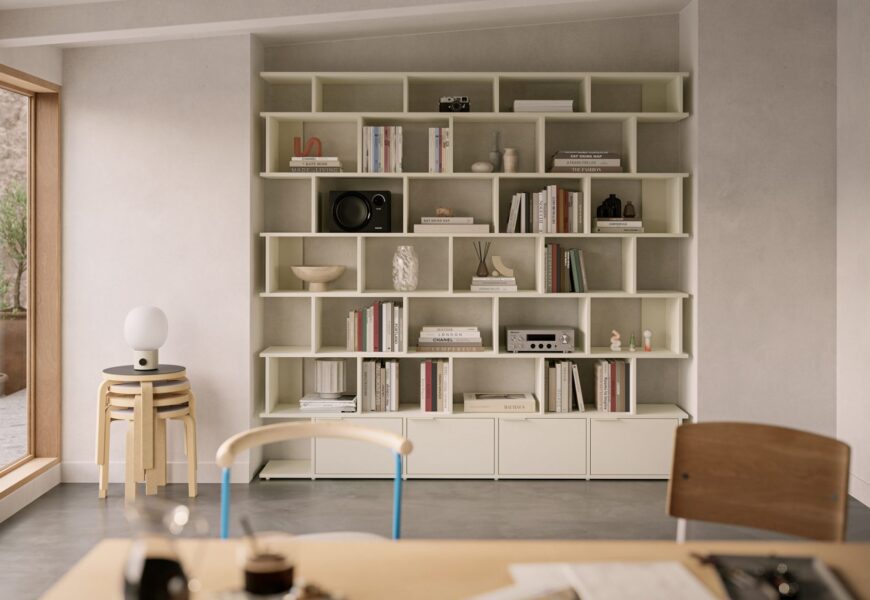
You move into your apartment, set down your last box, and suddenly it hits you — there is simply nowhere left to put anything. If that moment sounds familiar, you are not alone. When your floor starts disappearing under piles of everyday items and your closets are already at capacity, the answer is not a bigger apartment. The answer is already surrounding you.
Apartment wall storage is one of the most consistently overlooked strategies in small-space living. Most renters walk past blank walls every single day without recognizing what those walls could actually do. With the right approach and a bit of planning, those same walls can hold your books, your kitchen essentials, your home office gear, and yes, even your bike — all without giving up a single inch of your floor.
Why Apartment Wall Storage Changes Everything
Consider the reality of a typical apartment. You have somewhere between 600 and 900 square feet, furniture claiming most of the floor, and closets that feel like an afterthought. The floor plan is fixed. But your walls are a different story entirely.
Effective apartment wall storage is not simply about adding shelves. It represents a genuine shift in how you think about space — treating vertical square footage with the same seriousness as horizontal square footage. When you begin mounting storage on walls, rooms feel larger, calmer, and more considered. Interior designers describe this quality as “visual breathing room,” and it is exactly as valuable as it sounds.
What makes this even more practical for renters is that most apartment wall storage solutions are either completely damage-free or easy to repair before moving out. You have far more options than you might think.
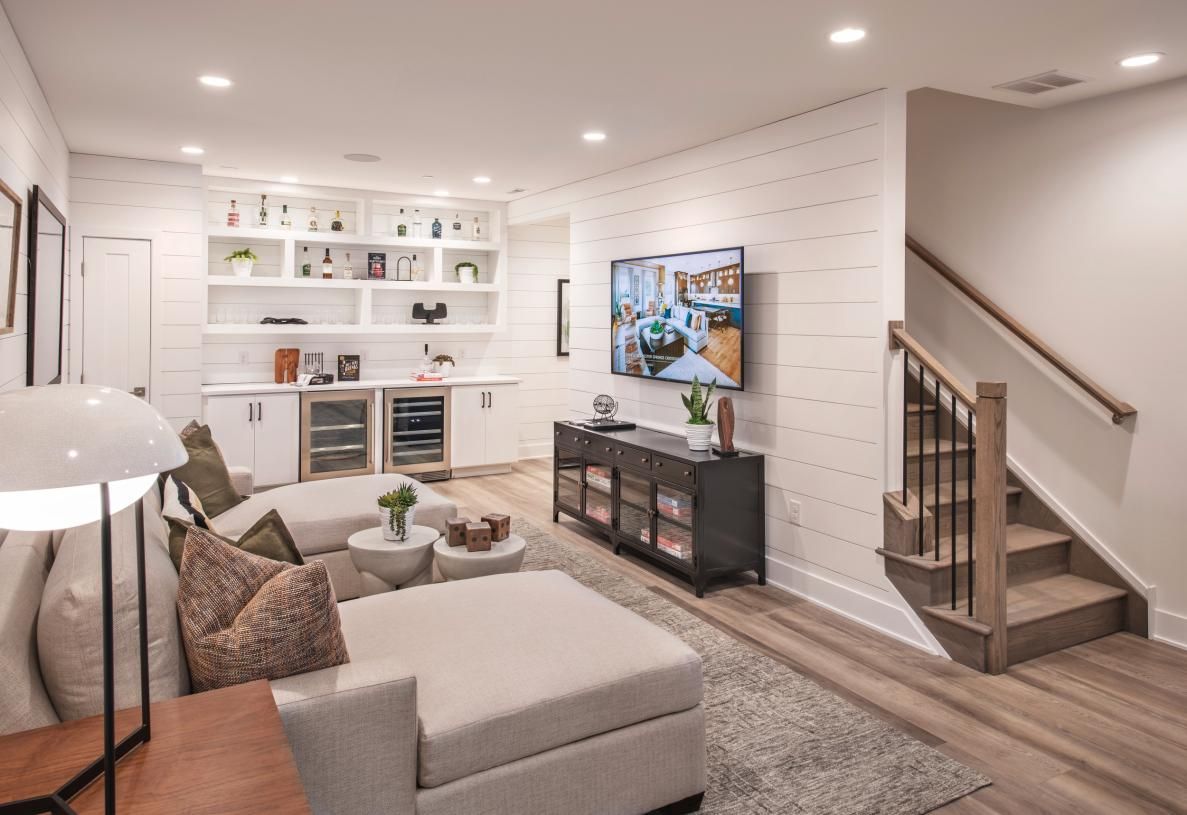
The Renter’s Reality: What You Can and Can’t Do
Before picking up a drill, take a few minutes to review your lease. Most landlords permit small nail holes used for hanging pictures. Larger mounting hardware is often acceptable as well, provided you patch the wall cleanly before vacating. Beyond that, there are reliable damage-free alternatives worth considering.
Here is a straightforward comparison to guide your decisions:
| Wall Storage Type | Damage Level | Best For |
|---|---|---|
| Adhesive strips (Command strips) | None | Lightweight items under 5 lbs |
| Tension rod shelving | None | Kitchen, bathroom, closets |
| Floating shelves with anchors | Minimal (patchable) | Books, décor, kitchen items |
| Pegboards on freestanding frames | None | Garages, home offices, kitchens |
| Wall-mounted bike hooks | Moderate | Entryways, hallways |
| Floor-to-ceiling tension shelves | None | Any room |
Understanding these options from the start protects your security deposit and gives you a clear path forward.
15 Apartment Wall Storage Ideas Worth Trying
1. Floating Shelves in Every Room
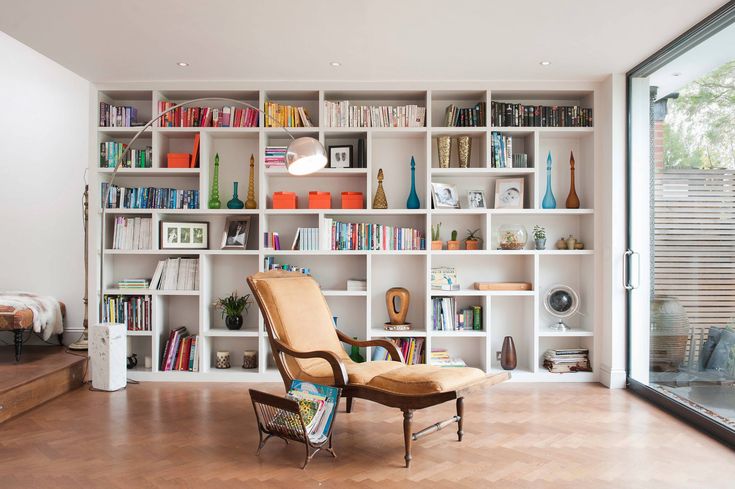
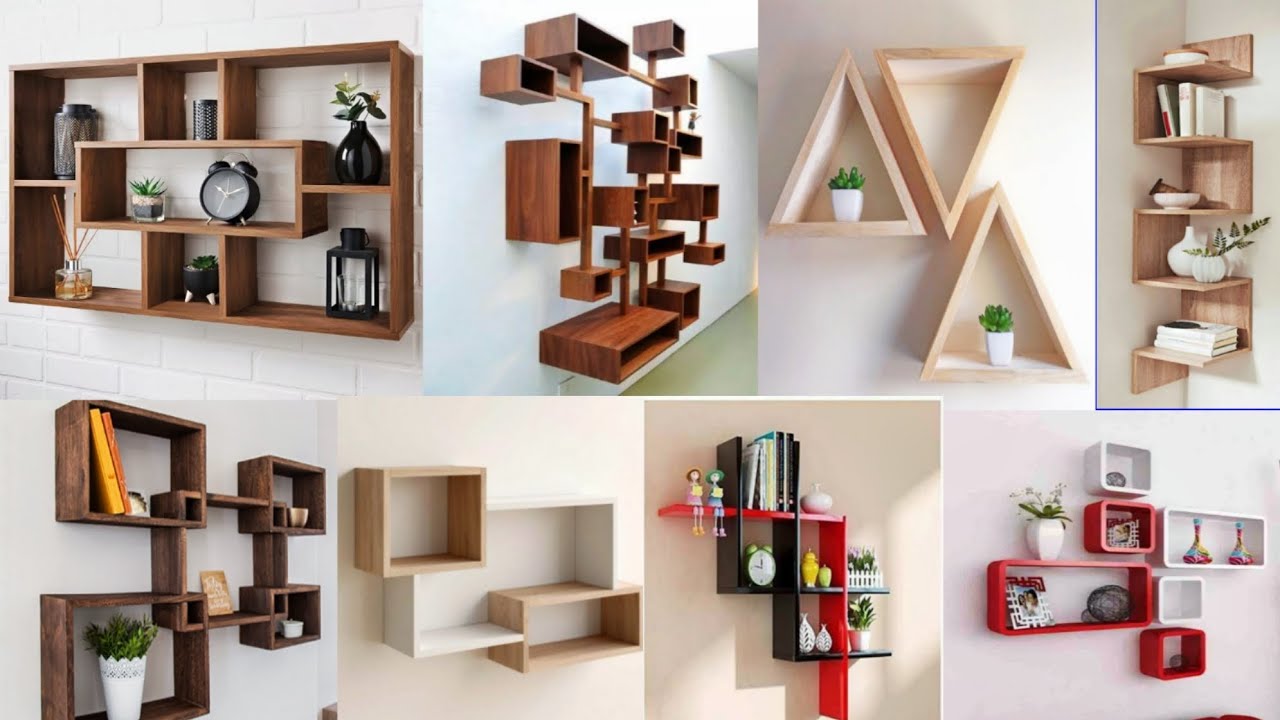
Floating shelves remain the foundation of practical apartment wall storage. They have a clean appearance, adapt well to any room, and carry more weight than most people expect. In a living room, they work beautifully for books and small plants. In a kitchen, they ease the pressure on overcrowded cabinets. In a bathroom, they replace the countertop buildup that makes any small space feel disorganized.
One layout that interior designers return to often involves shelves staggered at different heights along a single accent wall. The result is both visually engaging and meaningfully functional. IKEA’s LACK and BILLY series continue to be well-regarded choices for renters — both are reasonably priced and install with minimal wall impact.
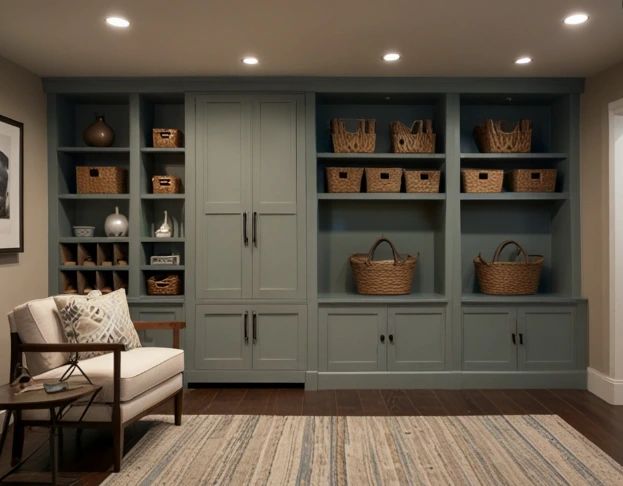
2. Pegboards for the Kitchen or Home Office
Pegboards may carry an industrial association, but when installed thoughtfully, they look purposeful and refined. Mounted above a desk, a pegboard becomes a full command center — hooks for headphones, small shelves for notebooks, clips for charging cables. In a kitchen, one positioned near the stove keeps frequently used tools accessible without consuming counter space.
This is one of those apartment wall storage solutions that improves how you actually work, not just how your space looks.
3. Wall-Mounted Cabinets with Doors
Open shelving has its advantages, but there are moments when a closed door is simply the better choice. Wall-mounted cabinets in kitchens and bathrooms offer the storage depth of traditional furniture while keeping every inch of your floor completely free.
Shallow cabinets in the range of four to six inches deep are particularly well suited for spices, bathroom products, and small medical supplies. They tend to be overlooked as apartment wall storage options, but their practicality is hard to argue with once they are in place.
4. Over-the-Door Organizers
The back of a door is storage space that the majority of renters never use. Over-the-door organizers require no tools, work with nearly any door style, and come in configurations for shoes, pantry items, cleaning supplies, jewelry, and more.
When combined with apartment wall storage on the walls around that same doorway, the entire entry zone becomes a layered, efficient system — without any permanent changes.
5. Tension Rod Shelving Inside Cabinets
The interior walls of your existing cabinets deserve attention too. Tension rods positioned vertically inside a cabinet create neat individual slots for baking sheets, cutting boards, and pan lids. Horizontal rods mounted inside cabinet doors hold spray bottles upright. It is wall storage that stays completely out of sight, yet makes a noticeable difference in daily organization.
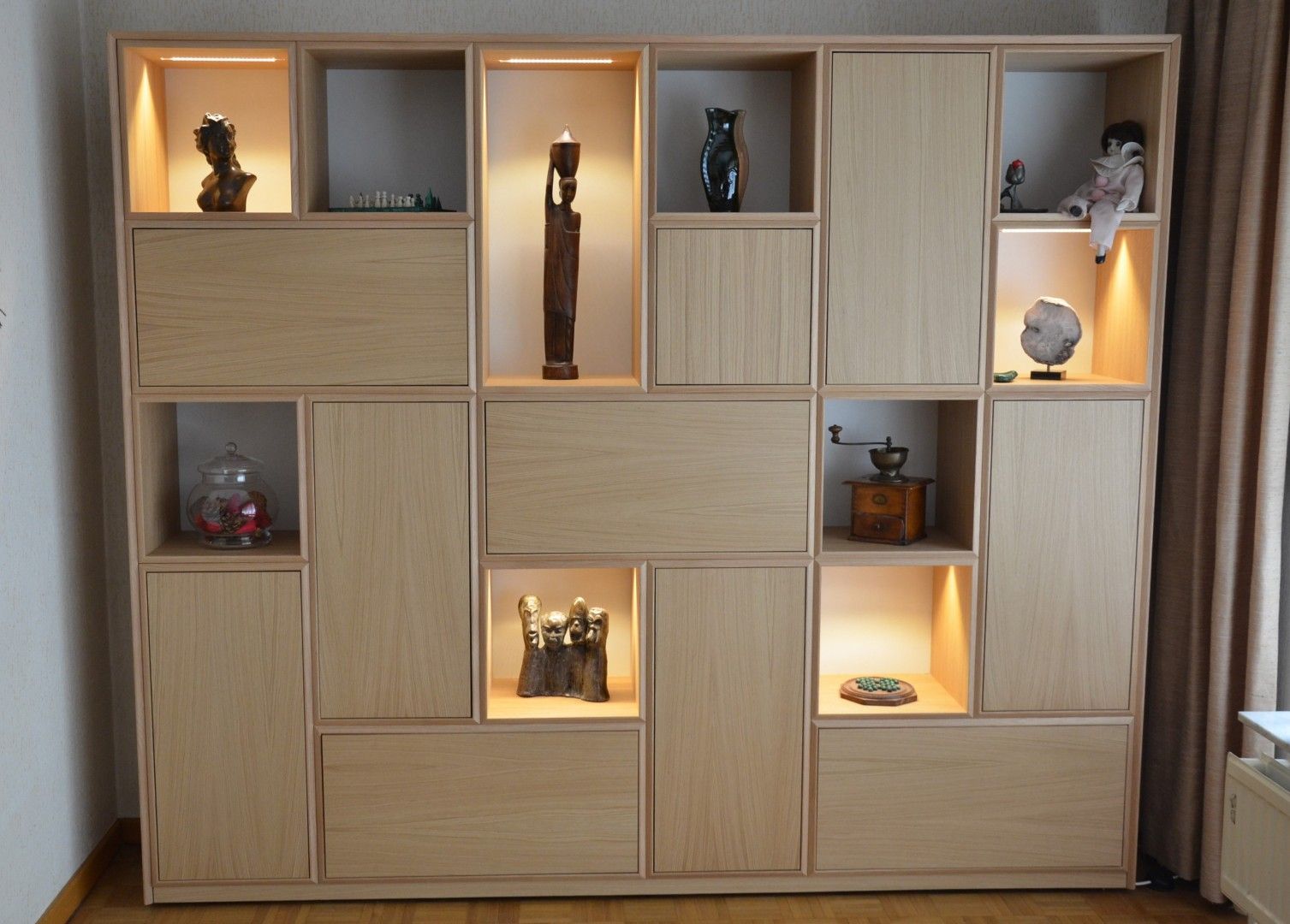
6. Wall-Mounted Folding Desk
For anyone working from home in a studio or compact one-bedroom, a wall-mounted folding desk is a practical and space-conscious investment. It functions as a full desk when you need it and folds completely flat when you do not. Pair it with wall-mounted shelves above, and you have a home office setup that disappears the moment your workday ends.
This type of space-saving wall storage has become especially popular in studio apartments where each area of the room needs to serve more than one purpose.
7. Magnetic Wall Panels
Magnetic panels are low-profile, easy to install, and more versatile than most renters realize. In a kitchen, they hold knife strips and labeled spice tins. In a home office, they keep notes and reference materials within reach. In a child’s room, they serve as a practical toy or supply organizer. Versions with adhesive backing leave no wall damage at all, while neodymium magnets provide a surprisingly strong hold.
8. Rail Systems for Maximum Flexibility
Modular rail systems — IKEA’s SKÅDIS being one of the most widely used — allow you to build out your apartment wall storage incrementally, without committing to a fixed arrangement. Hooks, small shelves, and storage containers attach and detach as your needs shift. Nothing needs to be moved or removed from the wall itself when you want to reconfigure.
These systems are especially valued in home offices and crafting spaces where storage requirements tend to evolve over time.
9. Wall-Hung Bike Storage
Owning a bike in an apartment presents a real logistical challenge. Resting it against a wall occupies floor space and often leaves marks on the paint. A wall-mounted bike hook lifts the bike entirely off the ground, holds it securely at eye level, and frees up the space beneath it for other uses. In an entryway or hallway, this single addition can meaningfully change how a space functions.
10. Bedroom Headboard Wall Panels
Rather than a standard headboard, a wall panel that extends across the space behind your bed — with shelving built into both sides — can replace your nightstand entirely while adding layers of organized storage. It serves as a reading surface, a display area, and a place for bedside lighting, all in one. This approach to apartment wall storage draws strongly from Scandinavian design principles, where thoughtful function and clean aesthetics are treated as equally important.
11. Wire Wall Grids for Accessories and Entryways
Wire wall grids are among the most cost-effective forms of apartment wall storage available. They are lightweight, easy to mount, and designed to hold hooks, small baskets, and clips. In an entryway, they organize keys, bags, and incoming mail. In a bedroom, they display jewelry or accessories. In a home office, they hold notes and printed references. The investment is minimal, and the organizational return is substantial.
12. Corner Floating Shelves
Corners are consistently the most underutilized space in any room. Vertical corner shelving runs up the seam between two walls, stacking storage in a spot that previously contributed nothing. These work particularly well in bathrooms and kitchens where the primary wall surfaces are already occupied. Adding corner shelving to an apartment wall storage system often requires no additional drilling beyond what is already planned.
13. Vertical Shoe Storage
Entryways in smaller apartments tend to accumulate footwear quickly. Wall-mounted shoe pockets or a narrow wall-hung rack use the vertical space directly beside the door, keeping shoes contained and off the floor without requiring a separate piece of furniture. It is a modest change that immediately improves the appearance and function of an entryway.
14. Wall-Mounted Laundry Solutions
Laundry closets and utility areas are often cramped and poorly organized. Wall-mounted drying racks, retractable ironing boards, and laundry bag hooks convert these awkward spaces into functional, well-ordered stations. Retractable drying racks fold flat against the wall when not in use, making them one of the more practical forms of apartment wall storage in areas where space is especially tight.
15. Gallery Wall With Hidden Storage
This is perhaps the most understated approach on this list. A carefully arranged gallery wall can incorporate shallow shadow boxes that function as discreet storage compartments. Frames with depth hold small objects, bundled cables, or accessories. A hinged frame can conceal a key hook or small shelf behind it entirely. The result is apartment wall storage that reads as decoration and reveals its function only when needed.
Real-Life Example: How One Renter Tripled Her Storage in 500 Square Feet
Sarah, a graphic designer living in a 500-square-foot Chicago studio, had reached a point where clutter was affecting both her work and her daily routine. Her dining table had become a desk by default. Her kitchen had no room left for small appliances. Every morning began with maneuvering around a bicycle she had no good place to keep.
Her solution relied almost entirely on vertical space. She installed floating shelves from floor to ceiling along one living room wall to hold her professional library and design resources. A pegboard above her work area organized cables, headphones, and drawing tools. A wall-mounted folding desk replaced the dining table. A single bike hook installed beside the front door immediately returned three feet of usable floor space.
Total cost came to approximately three hundred dollars. Floor space reclaimed was estimated at around forty square feet — a significant gain in a home that size. The result is a clear demonstration of what intentional apartment wall storage can accomplish without a renovation budget.
Common Mistakes to Avoid
Even well-planned wall storage projects can run into avoidable problems. These are the errors that come up most frequently:
- Installing heavy shelves without locating wall studs first — drywall anchors alone are not sufficient for significant weight over time
- Overfilling open shelves until they look disorganized rather than curated
- Limiting wall storage to one room rather than treating the entire apartment as a connected system
- Leaving door backs, corners, and the interior walls of cabinets completely unused
- Selecting shelves that are too deep for a small room, which creates visual crowding rather than relieving it
Frequently Asked Questions About Apartment Wall Storage
Can I Install Wall Storage Without Drilling in a Rental?
Yes, entirely. Adhesive strips such as Command products, tension rods, over-the-door organizers, and freestanding pegboard frames require no drilling and leave no wall damage. For heavier storage needs, removable wall anchors filled in with patching compound before move-out are typically considered acceptable by most landlords.
What Is the Cheapest Way to Add Wall Storage to an Apartment?
Wire wall grids and over-the-door organizers are available for under twenty dollars and deliver immediate results. A DIY pegboard built from hardware store materials typically costs between thirty and fifty dollars for a large panel. Secondhand floating shelves and wall-mounted furniture are regularly available through thrift stores and local resale platforms at a fraction of the retail price.
How Do I Know How Much Weight My Wall Storage Can Hold?
The answer depends on three variables: your wall type (drywall, plaster, or concrete), the type of anchor or fastener being used, and whether the mount hits a wall stud. In general, a single standard drywall anchor holds between twenty and fifty pounds. A screw driven into a stud can support eighty pounds or more. Distributing weight across multiple mounting points is always the safer approach.
What Rooms Benefit Most from Apartment Wall Storage?
Kitchens, home offices, and entryways tend to experience the most dramatic improvements. Bathrooms where counter and cabinet space is limited follow closely. Bedrooms see meaningful gains when wall-mounted alternatives replace nightstands and freestanding dressers.
Conclusion: Start With One Wall
The most common obstacle is not cost or logistics — it is waiting for a complete plan before taking any action. A full apartment transformation does not need to happen in a single weekend. Choose one wall, the one that causes the most daily frustration, and add one practical layer of apartment wall storage to it this week.
Perhaps that means a floating shelf above a desk. Perhaps it is a pegboard beside a kitchen counter. Perhaps it starts with something as accessible as an over-the-door organizer on the inside of a pantry door. These individual steps build on one another. A single shelf becomes two. Two shelves grow into a corner system. A corner system eventually becomes a fully organized room.
Apartment wall storage is not a feature reserved for large budgets or generous square footage. It is a deliberate, practical approach to making the space you already have work significantly better. The walls are there. The potential is already in place. It only requires a decision to use it.