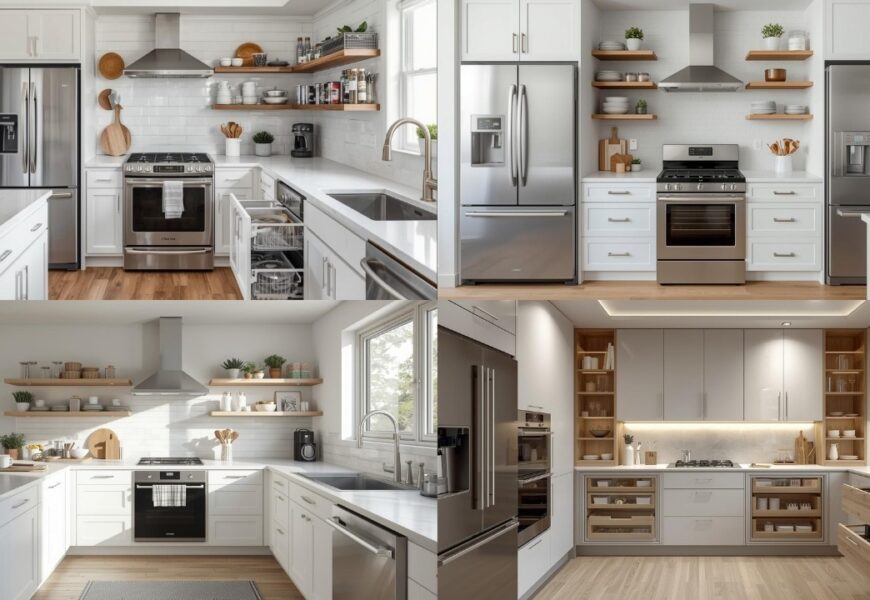
You reach into a cabinet to grab a single pan, and suddenly three lids crash down onto the counter. If that moment feels painfully familiar, you are not alone. For most people living in apartments, the kitchen is the one space where clutter wins almost every single day.
But here is the thing — a cramped kitchen does not have to stay that way. With the right approach, even a kitchen that barely fits two people can become genuinely functional, well-organized, and far less stressful to cook in. This guide gives you real, tested apartment kitchen storage ideas that work in actual apartments, not staged photos.
Why Apartment Kitchens Are a Storage Nightmare (And It Is Not Your Fault)
Most apartment kitchens were not designed with the actual needs of a working cook in mind. They were designed to fit within a floor plan. Storage, more often than not, was treated as an afterthought. You typically get a handful of cabinets, one or two small drawers, no pantry to speak of, and counters that seem to disappear the moment you set anything down on them.
A close friend of mine moved into a studio apartment in the city not long ago. Her kitchen came with exactly one drawer and a cabinet door that refused to close properly. For the first two months, she stored her pots under the bed — and honestly, that is not as unusual as it sounds. Many renters find themselves in the same situation, working around apartment layouts that were simply never built for how real people cook and live.
The problem is rarely that you own too much. The problem is that apartment kitchen storage was never designed to match the way a real household actually functions.
The Smart Framework: Think in Zones and Layers
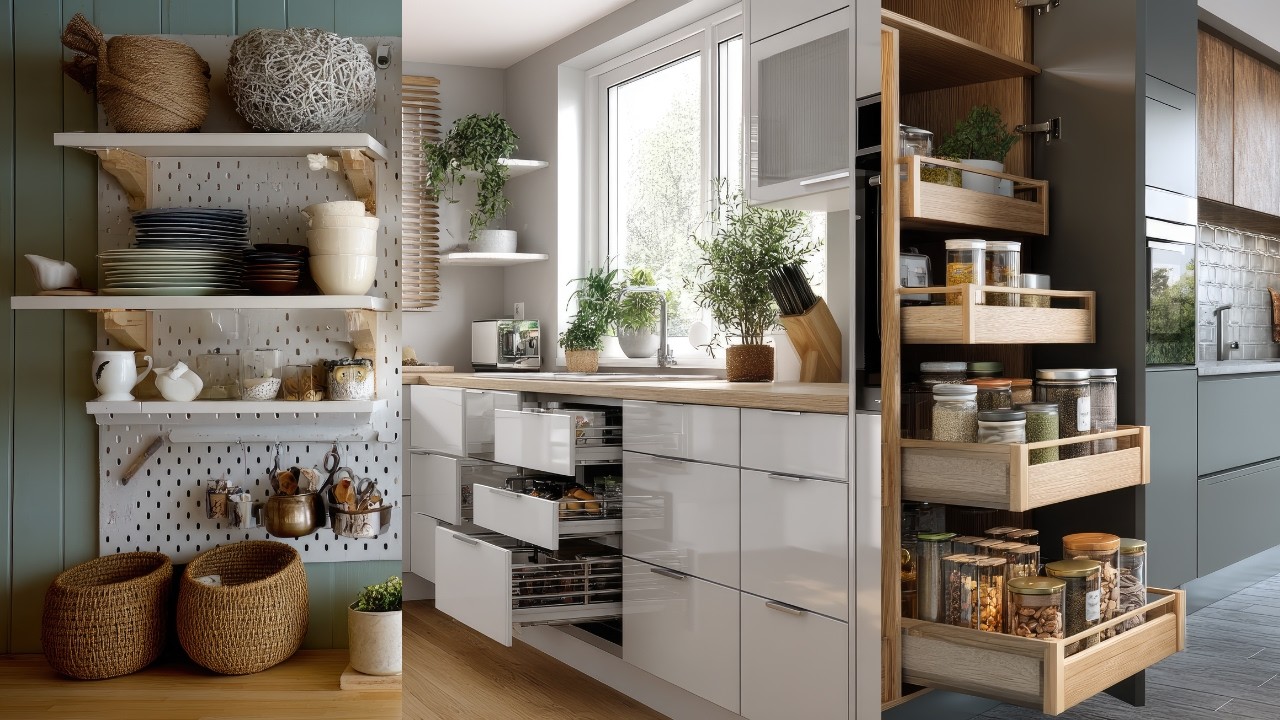
Before you spend a single dollar on organizers, it helps to step back and think about your space more deliberately. The most effective apartment kitchen storage systems share two core principles: zones and layers. Getting both right makes everything else easier.
Zones are about grouping things by how you use them. Cooking tools belong near the stove. Prep equipment belongs near your cutting board. Mugs and coffee supplies belong near wherever you make your morning drink. This one shift alone can cut the time you spend searching for things significantly, because everything lives where it is logically needed.
Layers are about thinking vertically, not just horizontally. Most people use only a fraction of their available kitchen space because they focus entirely on shelf surfaces and drawer space. The wall above your counter, the space behind a pantry door, the gap above your cabinets, the inside of cabinet doors — all of that is storage waiting to be used.
Get these two principles working together, and the rest of your apartment kitchen storage system tends to fall into place on its own.
17 Apartment Kitchen Storage Ideas That Change Everything
Use the Inside of Cabinet Doors
Cabinet door interiors are among the most overlooked surfaces in any kitchen. A slim spice rack, a small shelf, or even a mounted paper towel holder can attach to the inside of a door without drilling. Over-the-door organizers designed for renters are widely available at most home goods retailers, and they make a real difference in how much apartment kitchen storage space you can recover without touching a single wall.
Stack Up With Shelf Risers
Deep cabinets tend to become storage dead zones — you place something at the back and forget it exists for months. Shelf risers solve this by creating a second surface level inside the same cabinet. Stack your plates on top of the riser, store your bowls on the shelf beneath it. The cabinet footprint stays exactly the same, but your usable storage essentially doubles. It is one of the simplest and most affordable upgrades in apartment kitchen storage.
Go Vertical With a Pegboard
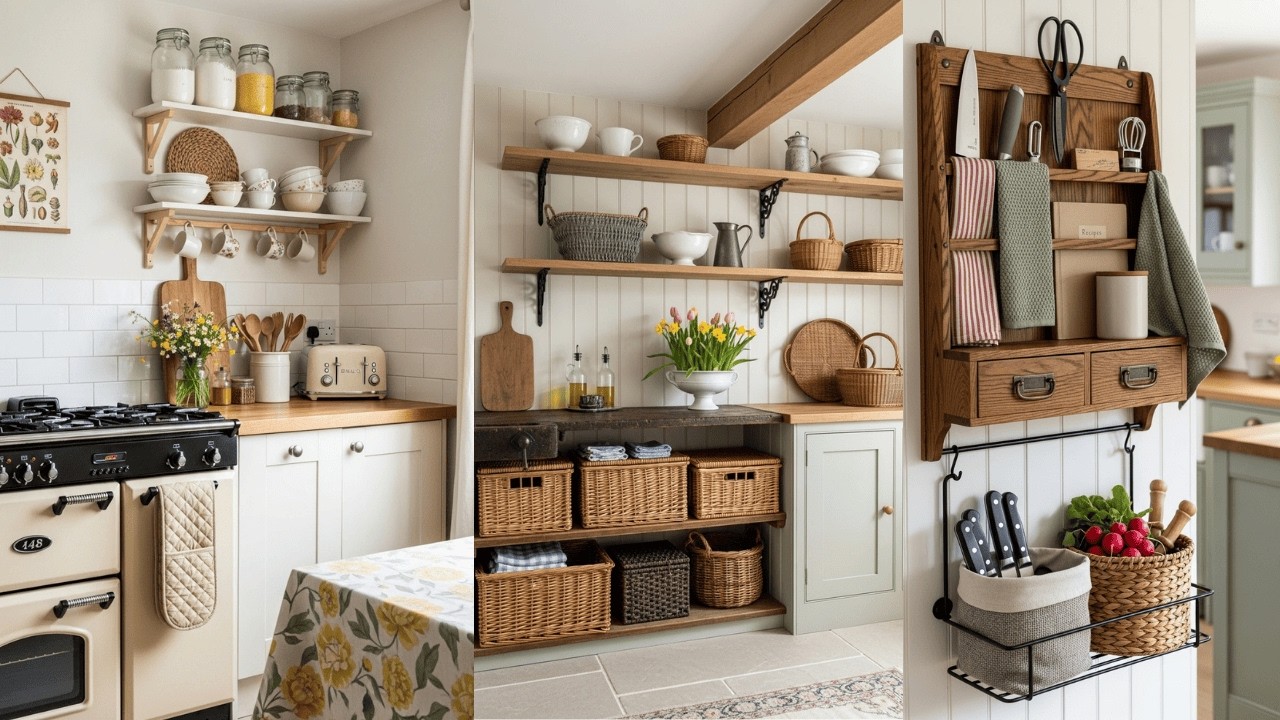
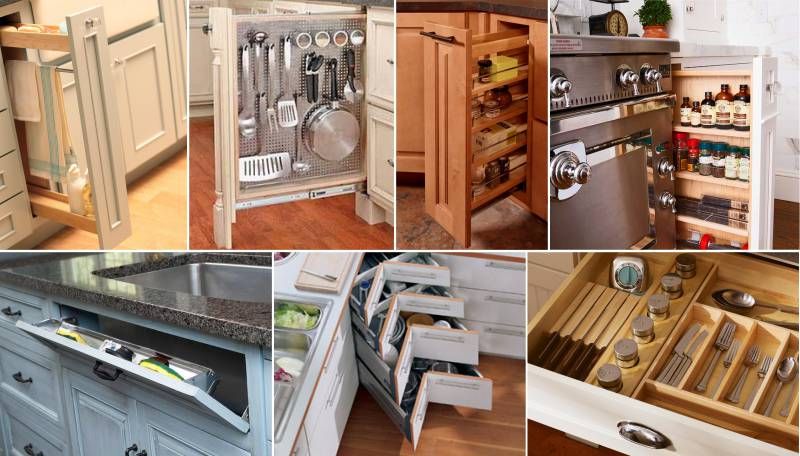
A pegboard on one kitchen wall is arguably the single highest-impact change you can make for apartment kitchen storage. Hang your pots, pans, and utensils from it, and you immediately free up one or two full cabinets for other things. Most landlords are comfortable with a few small nail holes, which means this works in most rental situations.
Pegboards gained popularity in small-kitchen design circles roughly a decade ago, and their staying power is earned. They turn blank wall space into a completely functional, customizable storage grid.
Install Floating Shelves
Floating kitchen shelves bring vertical kitchen storage to life in a way that also looks intentional and clean. Mounted above your counter, they hold spices, oils, cookbooks, or small baskets — items that otherwise crowd your work surface. For renters, adhesive floating shelf kits offer a no-drill option, though it is worth checking the weight limits before loading them up with heavier items.
Magnetic Spice Racks on the Fridge
The side of your refrigerator is a magnetic surface most people completely ignore. Attaching magnetic spice tins there takes almost no effort and frees up an entire cabinet shelf in return. It is a small change, but in the context of apartment kitchen storage, even one shelf recovered makes a noticeable difference in how the whole kitchen feels.
The Under-Sink Cabinet Deserves More Love
The cabinet beneath the sink tends to collect things in a completely disorganized pile. A two-tier pull-out organizer changes that entirely — cleaning supplies on one level, dish soap and sponges on another, everything accessible and in view. Under-sink storage ideas like this are especially valuable because the space is larger than it looks, and most people waste most of it without realizing it. Do not let this section of your apartment kitchen storage go unused.
Tension Rods for Lids and Cutting Boards
Pot lids, baking sheets, and cutting boards are awkward to store because they do not stack well and take up a disproportionate amount of cabinet space. A tension rod placed vertically inside a cabinet acts as a built-in divider, allowing these items to stand upright rather than pile on top of each other. The cost is minimal, the installation takes under a minute, and the result is one of the most practically satisfying apartment kitchen storage fixes you can make.
Over-the-Fridge Space
The top of the refrigerator is almost universally treated as dead space. A slim tray or a compact shelf unit can turn it into rental kitchen storage territory for items you do not reach for every day — a spare paper towel roll, an extra canister, a slow cooker you use occasionally. It is not the most visible spot in the kitchen, which makes it ideal for things you want accessible but not in the way.
Drawer Organizers: Worth Every Penny
A cluttered drawer does not mean you have too much stuff. It means the drawer lacks structure. Modular drawer organizers — ones you can configure and reconfigure as your needs change — give every item in that drawer a defined home. This matters more than it might seem, because a disorganized drawer becomes the starting point for clutter that eventually spreads across your entire counter. Good drawer organization is one of the quieter but more reliable pillars of apartment kitchen storage.
Stackable Containers in Your Pantry or Cabinet
Mismatched food containers are one of the biggest hidden culprits in poor kitchen counter organization. They take up significantly more space than uniform containers would, and they make shelves look chaotic even when they are not overfilled. Switching to a matched set of stackable containers — rectangular shapes are the most space-efficient — is a straightforward upgrade that pays off immediately in apartment kitchen storage capacity, particularly on pantry shelves or inside upper cabinets.
A Slim Rolling Cart
A narrow rolling cart that slides between your refrigerator and the wall, or tucks under a counter overhang, is one of the most versatile pieces of compact kitchen solutions available to apartment dwellers. Use it for produce, cooking oils, dish towels, or as a temporary prep surface when you need extra room. When you are done cooking, it rolls back into place. The flexibility alone makes it worth considering for almost any apartment kitchen storage setup.
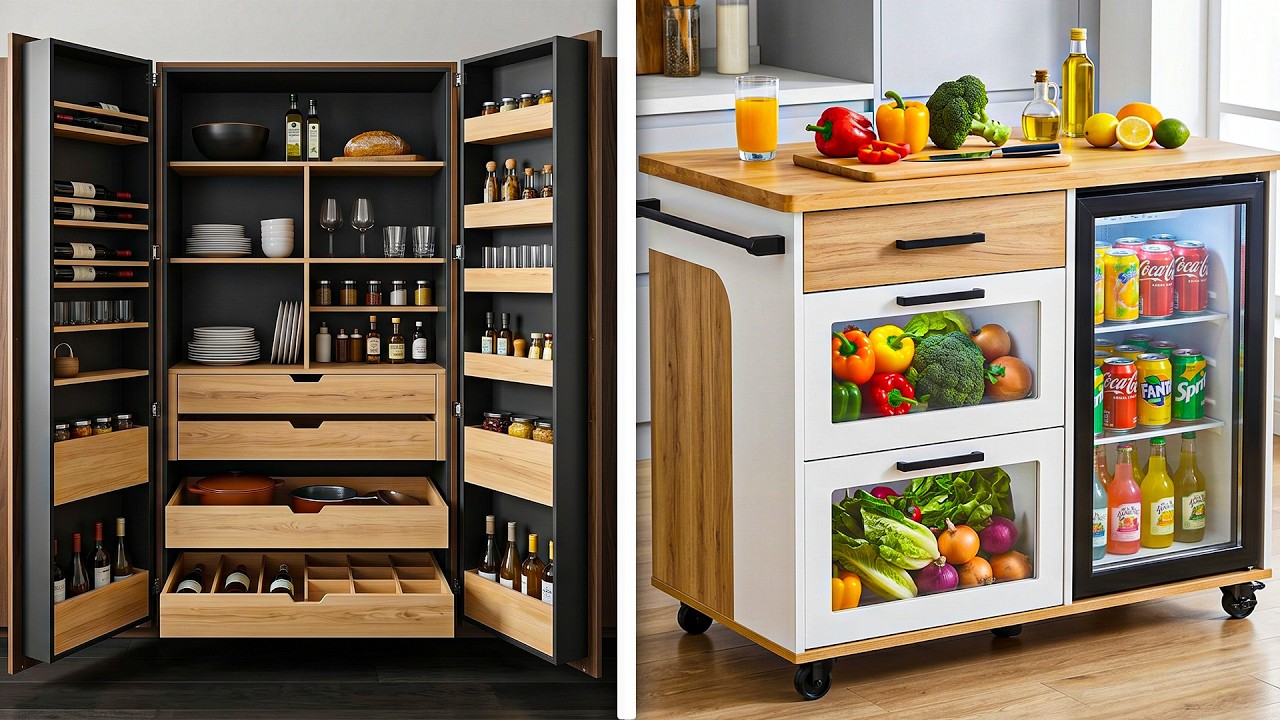
Hang Your Mugs
If you have six mugs sitting in a cabinet, you are using an entire shelf for something that could hang on a hook. Under-cabinet mug hooks are inexpensive, easy to install, and take zero counter or shelf space. That recovered shelf can hold something that genuinely needs a cabinet. It is a small adjustment, but small adjustments compound quickly in apartment kitchen storage.
Use the Space Above Your Cabinets
The gap between the top of your cabinets and the ceiling is not decorative — it is storage that most people simply do not think to use. It is not the right spot for everyday items, but it works well for seasonal appliances, large serving platters, or anything you use a few times a year. A few baskets or bins keep things tidy and make the space look intentional rather than neglected.
Nesting Bowls and Cookware
Not every pot, bowl, or pan needs its own dedicated spot. Nesting cookware sets are specifically engineered for small-space apartment kitchen storage — the pieces fit inside each other cleanly, dramatically reducing the footprint of your entire collection. If your current cookware does not nest, it may be worth replacing it with a compact set that does.
Add a Backsplash Rail System
A mounted stainless steel rail with hooks and small hanging baskets along your backsplash is a storage approach borrowed directly from professional kitchen design. It keeps your most frequently used tools within arm’s reach and entirely off the counter. In apartment kitchen storage setups where counter space is already limited, keeping tools on the wall instead of the surface makes a meaningful difference.
Collapsible and Foldable Items
Colanders, dish racks, and cutting boards now routinely come in collapsible versions that fold flat when not in use. For apartments where cabinet space is genuinely tight, choosing foldable versions of these tools frees up more room than most people expect. If you are setting up your apartment kitchen storage from scratch, it is worth building foldable options into your shopping list from the start.
A Command Center Near the Entrance
Kitchen counters have a tendency to collect things that have nothing to do with cooking — keys, mail, bags, phone chargers. A small hook strip and shelf near the kitchen entrance gives those items a home outside the cooking zone, protecting your counter from non-kitchen clutter. Keeping that separation consistent is one of the more underrated strategies in apartment kitchen storage, because it prevents the creeping disorganization that undoes every other system you put in place.
Apartment Kitchen Storage Comparison: Renter-Friendly vs. Permanent Solutions
| Storage Solution | Renter-Friendly | Cost Range | Difficulty | Best For |
|---|---|---|---|---|
| Over-door organizers | ✅ Yes | $10–$30 | Easy | Spices, wraps, cleaning |
| Magnetic spice tins | ✅ Yes | $15–$40 | Easy | Spice organization |
| Tension rods | ✅ Yes | $5–$15 | Easy | Lids, boards, bags |
| Floating shelves (adhesive) | ✅ Yes | $20–$60 | Medium | Spices, décor, small items |
| Pegboard | ⚠️ Mostly | $30–$80 | Medium | Pots, utensils, tools |
| Rolling cart | ✅ Yes | $40–$120 | Easy | Produce, extras, prep |
| Backsplash rail | ❌ Permanent | $50–$150 | Hard | Tools, towels, baskets |
| Floating shelves (drilled) | ❌ Permanent | $40–$100 | Hard | Heavier items, cookbooks |
What Actually Makes Apartment Kitchen Storage Work Long-Term
Most organization guides focus on tools and products. Very few talk about the reason those tools eventually stop working — and it is almost never the product itself. Storage systems fail when there is no consistent logic behind where things live. You can purchase every organizer on this list and still find your kitchen drifting back to chaos within a few months if the placement decisions were not thought through carefully.
The single habit that keeps apartment kitchen storage functioning over time is simple: return every item to its designated spot, every time. That sounds straightforward. In practice, it takes a few weeks to become automatic. But once it does, the system starts to maintain itself rather than requiring constant effort.
It also helps to reassess your setup periodically. Cooking habits shift, grocery routines change, and the layout that worked well when you first moved in may need a small adjustment a year later. A few minutes of evaluation every few months is usually enough to keep things running well.
Frequently Asked Questions
How do I add storage to an apartment kitchen without drilling?
There are more options than most people realize. Adhesive hooks, over-the-door kitchen organizers, tension rods, magnetic strips on the refrigerator, and freestanding shelf units all add meaningful apartment kitchen storage without requiring a single hole in the wall. Most major home goods retailers stock renter-friendly versions of nearly every storage category, so finding suitable options is not difficult.
What is the best way to organize a small apartment kitchen?
Start with a thorough declutter. Remove anything you have not used in the past six months, and you will likely be surprised by how much space that frees up immediately. From there, build your apartment kitchen storage system around zones and layers — group items by function, and use vertical space wherever possible. Bring in organizers only after you have a clear picture of what you are actually storing and where it logically belongs.
How can I maximize counter space in a small kitchen?
The most reliable approach is to move as much as possible off the counter entirely. Mount spice racks on the wall, use a rolling cart for small appliances, and commit to keeping only the things you use every single day on your counter surface. Good kitchen counter organization almost always starts with getting non-essential items into your apartment kitchen storage system rather than leaving them on the work surface.
Are rolling carts worth it for small kitchens?
For most apartment kitchens, yes — especially if there is a narrow gap beside the refrigerator or under a counter overhang. A slim rolling cart adds both surface area and flexible storage, and it moves out of the way when the floor space is needed. For compact kitchen solutions in tight layouts, it is one of the most practical investments available.
What should I always keep on my kitchen counter?
Only the items you genuinely use every single day. A coffee maker, a knife block, or a dish drying rack used daily all earn their place on the counter. Everything else should have a proper home within your apartment kitchen storage system, because counter space in a small kitchen is too valuable to give to items that sit unused most of the week.
Conclusion: Your Kitchen Does Not Have to Feel Small
A small kitchen and a stressful kitchen are not the same thing. The difference between a space that feels chaotic and one that feels manageable is rarely about square footage. It is about how deliberately the available space has been thought through.
The best way to start is to pick one specific area — one cabinet, one drawer, one corner of the counter — and apply one or two ideas from this list to it this week. Notice what changes. Then move to the next area. Good apartment kitchen storage is built gradually, one deliberate improvement at a time.
What you are working toward is not a perfectly organized kitchen that looks good in photographs. You are working toward a kitchen that makes cooking easier on a Tuesday evening, makes mornings feel less rushed, and makes your home feel like a place that actually works for you. That is what effective apartment kitchen storage delivers — not perfection, but genuine daily function.