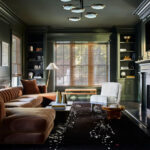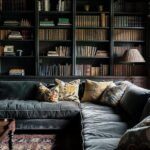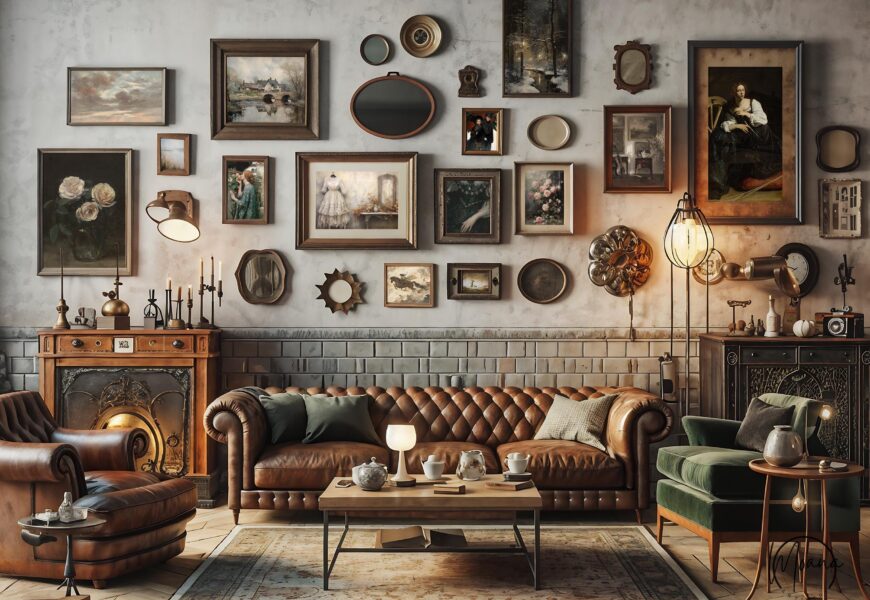
You walked into a friend’s apartment once and felt something immediately different. Warm. Layered. Every corner held a quiet story, and nothing looked like it came off a shelf at a big-box store. That is precisely what good vintage apartment decor does — it makes a space feel genuinely lived in, thoughtfully assembled, and deeply personal.
The problem most people run into? They assume achieving that look requires either a generous budget or years of design training. It requires neither. What it actually takes is a slightly different way of seeing your space — and a willingness to be patient with the process. This guide walks you through exactly that, step by step.
Why Vintage Apartment Decor Is Having Such a Major Moment Right Now
There is a reason vintage interior styling keeps showing up on every mood board, design publication, and home decor account worth following. It goes deeper than nostalgia. People are genuinely tired of interiors that all look the same — clean, minimal, and indistinguishable from a staged rental listing. Vintage apartment decor offers a clear alternative. It is personal, a little imperfect, and layered with character that mass-produced furniture simply cannot replicate.
There is also a practical argument worth making. Second-hand and antique pieces are frequently built to a higher standard than their modern counterparts. A solid oak dresser from the 1960s was constructed with joinery and materials that flat-pack furniture today cannot match. When you invest in a well-made vintage piece, you are not just adding visual interest — you are bringing something durable and lasting into your home.
And then there is the sustainability dimension, which matters more now than it once did. Choosing second-hand over brand-new keeps quality pieces out of landfills and reduces the demand for new production. That is a meaningful benefit that goes beyond aesthetics.
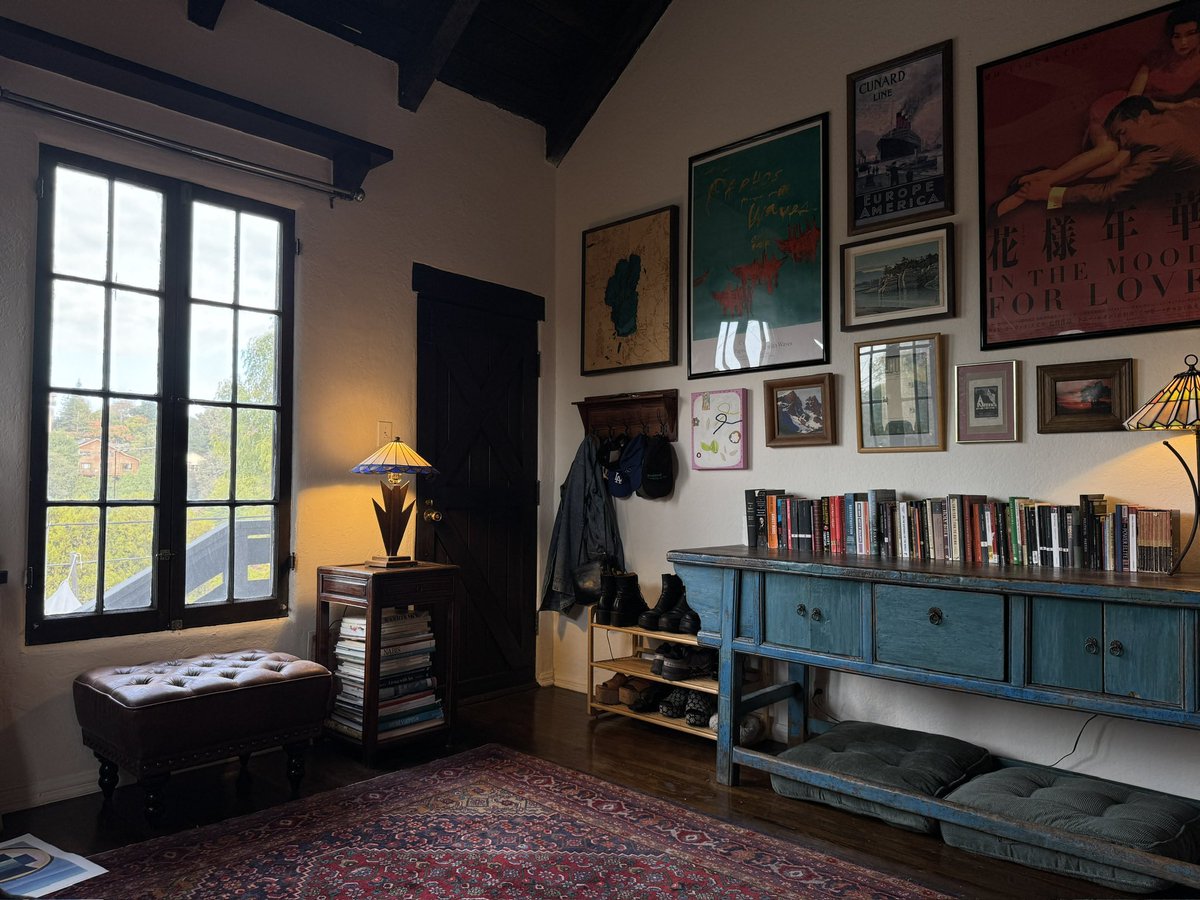
How to Start Your Vintage Decor Journey Without Getting Overwhelmed
Most people who struggle with vintage styling do not struggle because they lack taste. They struggle because they start without a clear direction. The vintage world is broad, and walking into a flea market without a framework can feel more overwhelming than inspiring.
Identify Your Era Before You Shop
Before purchasing anything, take time to decide which aesthetic period speaks to you most. Mixing too many eras without intention tends to create visual confusion rather than layered richness. Here are the styles most people find themselves drawn to:
- Mid-century modern (1940s–1970s): Clean silhouettes, warm wood tones, tapered furniture legs, and geometric shapes
- Art Deco (1920s–1930s): Bold symmetry, jewel-toned upholstery, gold accents, and glamorous surface textures
- Victorian-inspired: Ornate carved details, rich velvet fabrics, dark polished woods, and layered textiles
- Rustic farmhouse vintage: Distressed wood finishes, neutral earthy tones, iron hardware, and linen upholstery
- Bohemian eclectic: A deliberate mix of global patterns, textured materials, and pieces that feel collected over many years
Choosing one primary direction does not mean you are locked in forever. It simply means your space will have a clear visual language — which is what separates a well-styled vintage apartment decor scheme from one that simply feels crowded.
Start With One Anchor Piece and Build From There
One of the most consistent mistakes people make when approaching vintage apartment decor is shopping all at once, filling a room quickly, and hoping the pieces work together. They rarely do. A more reliable approach is to identify one strong anchor piece first — a tufted velvet sofa, a mid-century credenza with tapered legs, or a worn leather reading chair — and build the rest of the room around its color, scale, and period.
This single decision also makes subsequent shopping far more focused. When you walk into an estate sale knowing you need something that complements a warm olive green sofa, the field of options narrows considerably. You stop browsing and start looking with intention.
9 Practical Ways to Nail Vintage Apartment Decor
1. Mix Old and New Intentionally
Perhaps the most persistent myth surrounding vintage apartment decor is that every single piece in the room needs to be old. It does not. In reality, the most visually compelling vintage-inspired interiors are those that combine genuine antique pieces with contemporary ones in a way that feels deliberate. An heirloom Persian rug placed beneath a simple modern bed frame. Vintage brass wall sconces mounted beside a clean-lined contemporary desk. The contrast between eras is not a problem — it is the design itself.
A useful ratio that many interior stylists reference: roughly 60 to 70 percent vintage-inspired pieces balanced against 30 to 40 percent contemporary items. This proportion keeps a space feeling curated and personal rather than like a period museum.
2. Layer Textiles With Intention
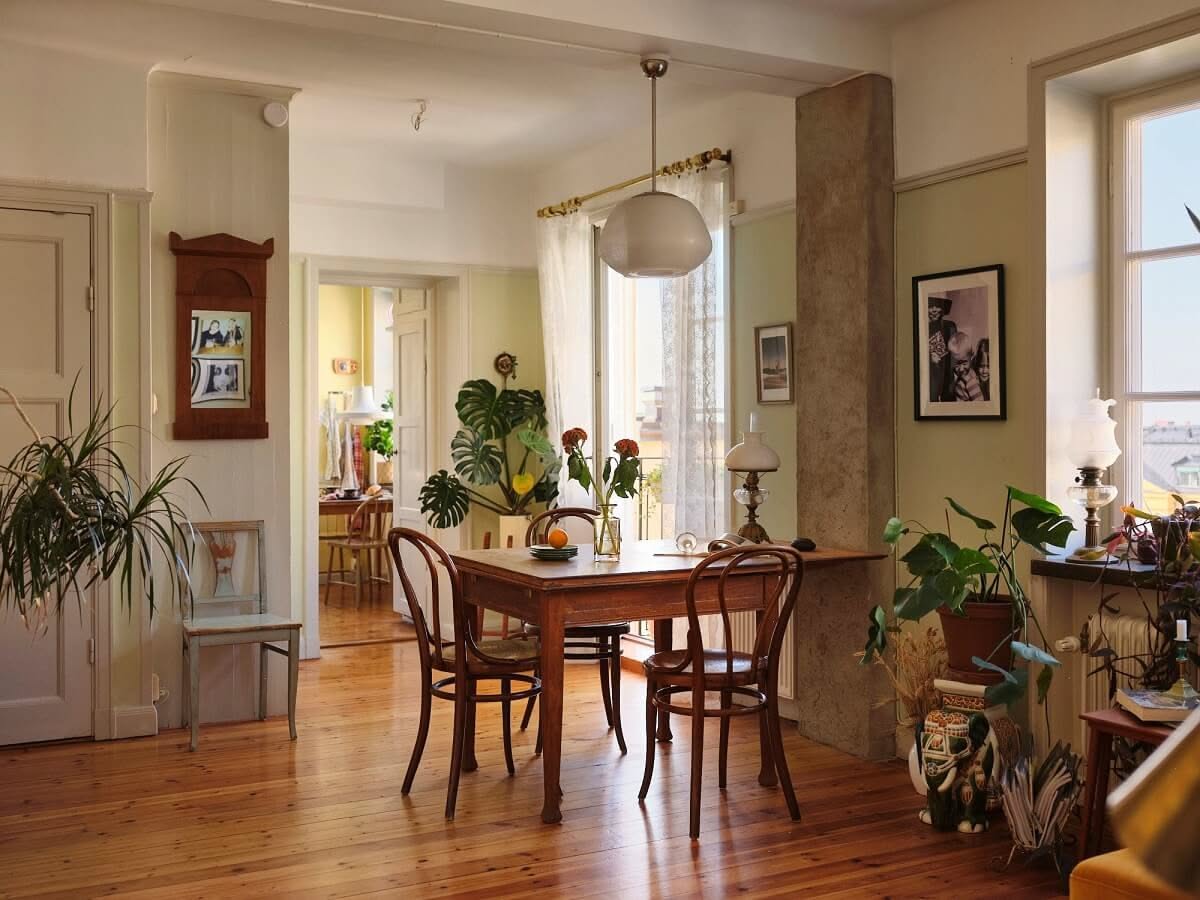
Few things shift the atmosphere of a room as quickly as layered textiles. Velvet throw pillows, a hand-knotted wool rug, linen curtains that fall gently to the floor, a crocheted blanket resting over the arm of a chair — these textures work together to create warmth and depth that bare surfaces simply cannot. There is a tactile quality to well-chosen textiles that photographs well but feels even better in person.
Thrift stores remain one of the best sources for textiles when building a vintage apartment decor scheme. Embroidered pillow covers, heavy cotton tablecloths repurposed as wall hangings, and wool throws in muted earth tones are regularly available at a fraction of retail cost. Do not shy away from mixing patterns, either. Florals, stripes, and geometric prints tend to coexist naturally when anchored by a consistent color palette running through all of them.
3. Rethink Your Lighting Entirely
Overhead lighting works against vintage ambiance more often than it supports it. The flat, even brightness of a standard ceiling fixture tends to flatten texture and remove shadow — two things that give vintage-styled rooms their sense of depth. Replacing or supplementing overhead lighting with table lamps, floor lamps, and wall sconces that cast warm, directional light makes a significant difference.
A ceramic table lamp from the 1970s, rewired if needed, found at a charity shop for a modest price, can do more for a room’s mood than almost any furniture piece. Edison-style filament bulbs, amber glass shades, and even pillar candles on bookshelves all contribute to the kind of layered light that defines a well-considered vintage apartment decor scheme.
4. Build a Gallery Wall That Feels Collected, Not Coordinated
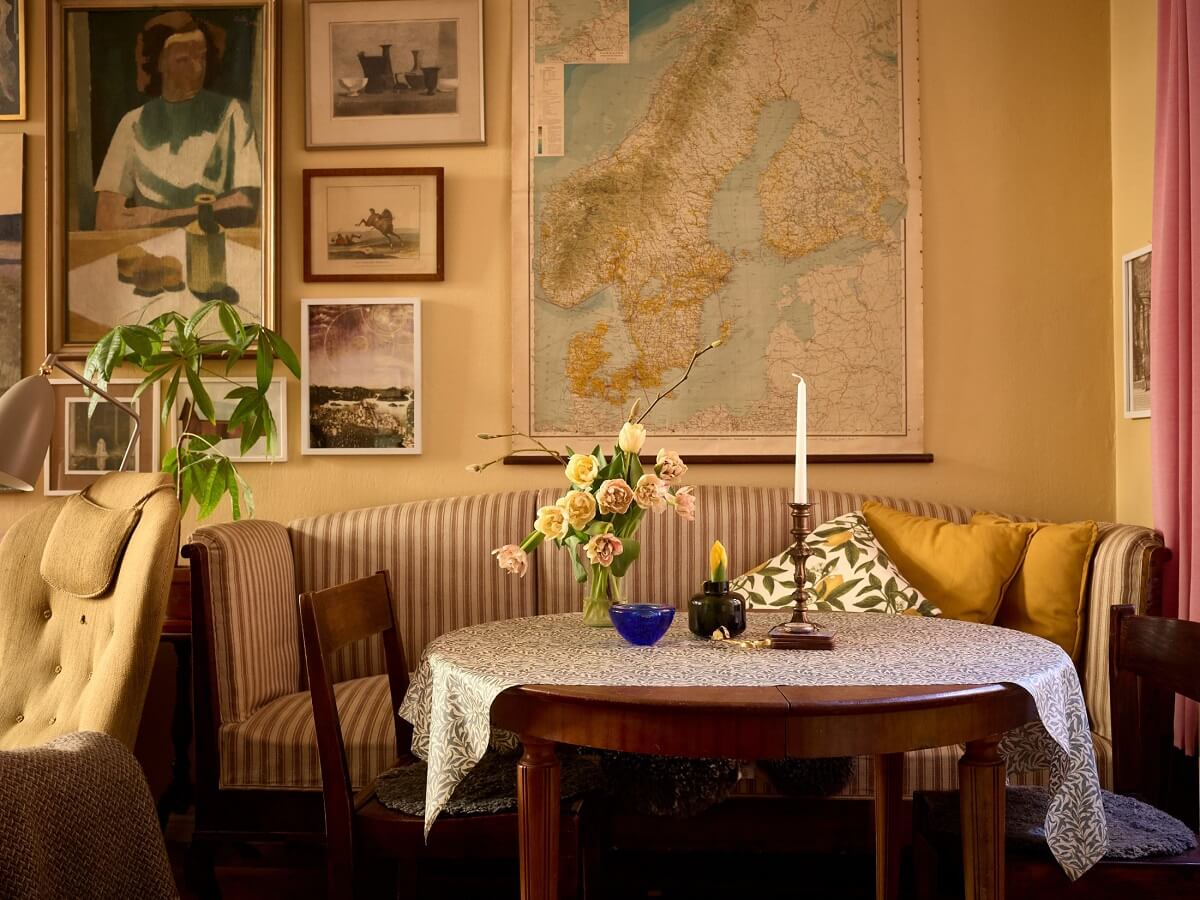
Gallery walls have become a design staple to the point where they can feel formulaic. A row of matching black frames holding art prints downloaded from the internet does not carry the same weight as a wall that has been assembled over time. Vintage-styled gallery walls earn their character through genuine variety — framed botanical illustrations alongside old maps, black-and-white family photographs near a small oil painting, fabric swatches in mismatched gilded frames.
The key is sourcing frames from different places and different eras. An ornate gold frame from an estate sale next to a simple dark wood frame from a charity shop creates a layering effect that a matched set never can. Arrange them with care, leave some breathing room between pieces, and the wall begins to tell a story.
5. Look at Vintage Furniture Differently
Some of the most interesting pieces in a well-styled home were not originally intended as furniture at all. An old wooden ladder makes a natural blanket rack. A stack of weathered leather suitcases becomes a side table with genuine visual character. A wooden vegetable crate, cleaned and wall-mounted, functions as an open shelf that a retail store could not sell you at any price.
This way of seeing is central to what makes vintage apartment decor appealing beyond the aesthetics. You are not simply shopping — you are observing the potential in objects that most people overlook. It also keeps the cost of decorating extremely manageable, since the most interesting repurposed pieces often cost very little.
6. Use Color and Pattern on Your Walls
Color is one of the most direct ways to establish a vintage atmosphere, and it is frequently underused in rental apartments where people default to white out of habit or caution. The earthy, muted tones associated with the 1960s and 1970s — mustard yellow, avocado green, burnt orange, warm terracotta — are currently experiencing a broad revival in interior design for good reason. They read as warm and livable in natural light and pair naturally with wood tones, worn leather, and aged brass.
For renters who cannot paint, peel-and-stick wallpaper has improved dramatically in quality and variety. A toile pattern, a vintage botanical print, or a subtle geometric in warm tones applied to a single accent wall can define the entire character of a room without any permanent alteration.
7. Know Where and When to Source Vintage Pieces
Shopping for vintage apartment decor rewards those who know how to approach it. Walking into a random thrift store and hoping to find something worthwhile is a low-yield strategy. Understanding which venues offer what — and when to visit them — changes the experience considerably.
| Source | What to Look For | Average Budget Range |
|---|---|---|
| Estate sales | Furniture, lighting, original artwork, glassware | $5–$500 |
| Flea markets | Mirrors, frames, ceramics, smaller accessories | $2–$150 |
| Facebook Marketplace | Larger furniture, mid-century pieces, quick finds | $20–$400 |
| Charity thrift stores | Textiles, everyday vintage items, ceramics | $1–$80 |
| Antique shops | Curated, higher-quality statement pieces | $50–$1,000+ |
| Online auctions | Rare and one-of-a-kind items | Varies widely |
A few practical notes: estate sales reward early arrivals, ideally within the first hour, when selection is at its best. Flea markets, on the other hand, tend to offer better negotiating opportunities later in the day when vendors prefer to sell rather than pack up. Facebook Marketplace requires daily attention, as quality pieces surface without predictability and move quickly.
8. Bring Plants In — But Style Them to Match
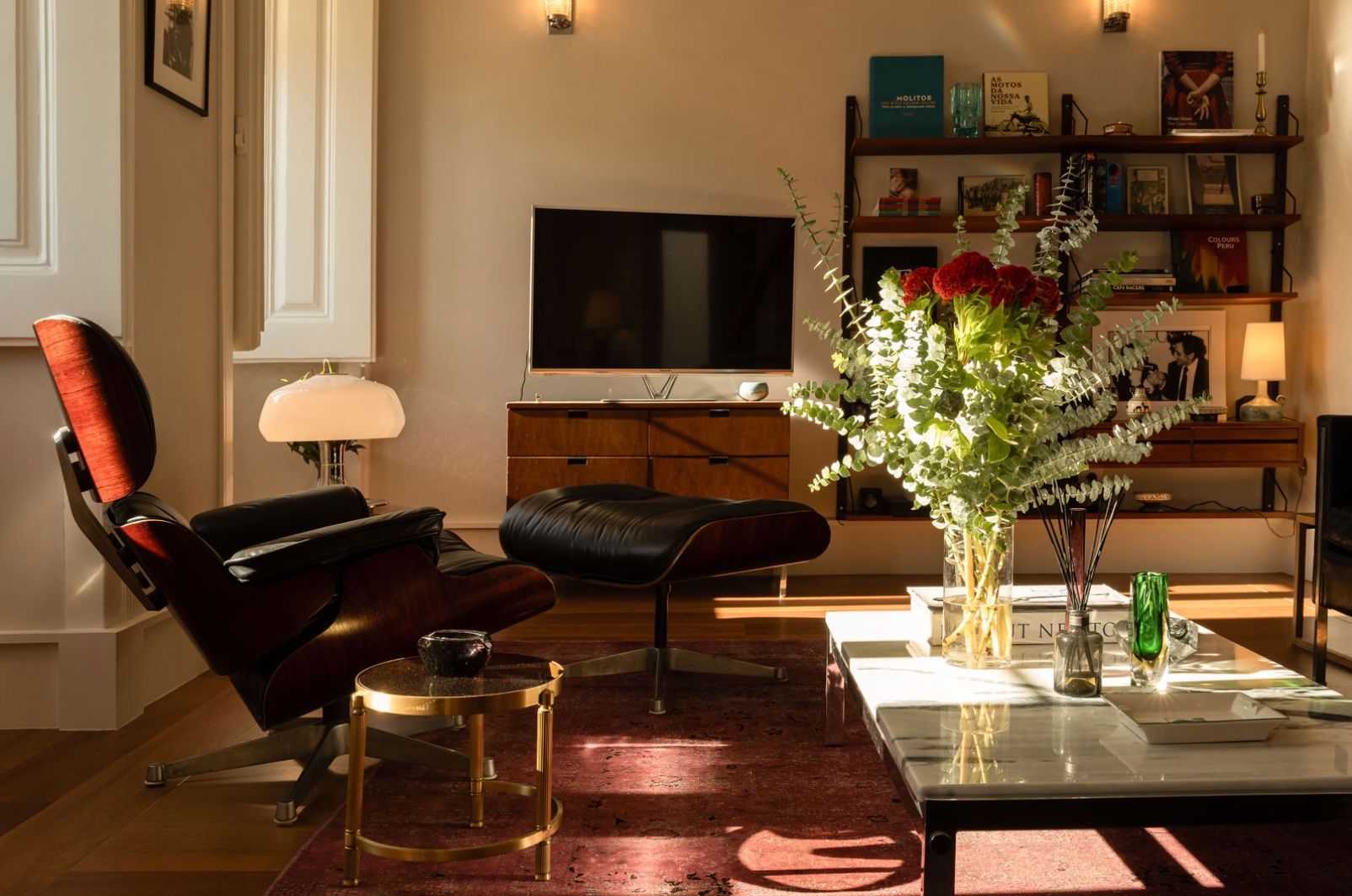
Plants add life to any interior, but how they are potted and displayed matters considerably when building a vintage apartment decor scheme. White ceramic pots and minimalist planters work against the aesthetic rather than supporting it. Instead, look for terracotta with natural age markings, ceramic planters in earthy ochre or sage glazes, old tin containers repurposed as planters, and macramé hangers for trailing varieties like pothos or string of pearls.
A fiddle leaf fig planted in a slightly imperfect vintage ceramic pot carries more visual authority than the same plant in a sleek modern container. The imperfection is not a flaw — it is part of the point.
9. Consider Scent and Sound as Part of the Atmosphere
This is an element that does not appear in most decorating guides, but it deserves attention. A space that engages the senses beyond the visual creates a more complete atmosphere — and vintage apartment decor, at its best, is about feeling as much as seeing. Beeswax candles, cedar, sandalwood, and even the faint scent of old books all reinforce the sensory quality that vintage styling tries to create through objects and textiles.
Sound works similarly. A record player in the corner of a living room is simultaneously a design object, a conversation piece, and a functional source of music that changes how a space feels. The deliberateness of selecting and playing a vinyl record fits naturally with the slower, more intentional rhythm that the best vintage-styled homes tend to embody.
A Real-World Example: One Studio Apartment, Completely Transformed
An interior stylist based in Chicago documented a project on her blog that demonstrates what thoughtful sourcing and clear intention can achieve. The starting point was a 450-square-foot studio with white walls, laminate flooring, and standard builder-grade fixtures. Her total budget was $800.
She built the entire design around a single anchor piece: a mid-century olive green velvet sofa purchased through Facebook Marketplace for $120. From there, everything else was sourced to complement it — a $15 Persian rug from an estate sale, a $40 rattan floor lamp from a charity shop, a collection of vintage travel posters in thrifted frames arranged across one full wall, and ceramic vases in amber and sage tones placed on floating shelves.
The result, at a total spend of $780, resembled something from a curated editorial on vintage apartment decor. What made it work was not the budget — it was the patience to source over several weeks and the clarity to let one piece guide all the others.
Common Mistakes That Quietly Undermine the Vintage Look
Good intentions alone do not guarantee a successful outcome. A few recurring missteps tend to push vintage-styled spaces from timeless toward tired:
- Buying everything at once from a single source — the space ends up looking like a set rather than a space built over time
- Overlooking scale — a large antique armoire that works beautifully in a house will overwhelm a small apartment bedroom
- Filling every surface — breathing room is not empty space; it is a deliberate part of the composition
- Prioritizing appearance over craftsmanship — modern items designed to look vintage often read as inexpensive regardless of their actual price
- Ignoring how the space functions day to day — a room that looks appealing but does not work practically tends to get changed quickly
Frequently Asked Questions About Vintage Apartment Decor
How do I make vintage decor work in a rental without permanent changes?
The majority of effective strategies for vintage apartment decor require no permanent modifications. Peel-and-stick wallpaper, freestanding furniture arrangements, removable adhesive hooks, and layered rugs placed over existing floors all allow for meaningful transformation without touching the walls or floors in any lasting way. Light fixtures can often be swapped temporarily as well, provided you store the originals carefully and reinstall them before vacating.
Can vintage decor work in a very small apartment?
It can, and it often works particularly well in smaller spaces. The warmth and visual depth that layered vintage pieces create can make a compact apartment feel more intimate and personal rather than simply small. The primary consideration is scale — furniture must be proportionate to the room, vertical wall space should be used thoughtfully, and restraint in the number of objects displayed will always serve a small space better than abundance.
What is the difference between vintage and antique decor?
The generally accepted distinction is that antique refers to objects over 100 years old, while vintage typically applies to items from the 1920s onward, usually with an informal cutoff of around 20 to 30 years. For practical decorating purposes, the classification matters less than whether a piece has genuine character, honest craftsmanship, and visual quality that holds up over time.
Is vintage apartment decor expensive to achieve?
Not inherently. The entire philosophy of this approach leans toward sourcing second-hand, which means most pieces cost a fraction of what comparable new items would. A well-considered vintage apartment decor scheme can come together for a few hundred dollars when approached with patience and a clear sense of direction. Time and attention are the real investments — not money.
Conclusion: The Point of Vintage Is Not the Age — It Is the Feeling
All of these strategies point toward the same underlying idea. Vintage apartment decor is not fundamentally about historical accuracy or the age of individual pieces. It is about creating a space that reflects genuine character — one that feels personal rather than generic, assembled over time rather than purchased in an afternoon, and thoughtful rather than simply stylish.
The most memorable vintage-styled homes are not perfect. They have a chair that should not work but does. A lamp that came from somewhere unexpected. A rug with a history that the owner actually knows. They feel inhabited and cared for in a way that no showroom setting ever achieves.
A practical starting point: Choose one corner of your apartment this week and commit to rethinking it with intention. One layered rug. One thrifted lamp. One framed piece with a genuine story behind it. Begin there. A single thoughtful change has a way of reshaping how an entire room feels — and of clarifying exactly what the next step should be.