
Most people walk past a cactus without giving it a second thought. It sits there — still, slow, and a little intimidating with those spines — while flashier plants nearby get all the attention. But that quiet, almost stubborn plant is doing something genuinely interesting every single day.
So, do cactus produce oxygen? Yes, they do. But the way they go about it is what makes them worth understanding.
The Basic Science: How Do Cactus Produce Oxygen?
Every plant that carries out photosynthesis produces oxygen as a byproduct. Cactus plants are no different. They absorb carbon dioxide, use sunlight as an energy source, and release oxygen in return — the same fundamental process that happens in a rainforest or a garden bed.
What sets them apart, though, is timing. Most plants open their stomata — the tiny pores found on leaves or stems — during daylight hours to absorb CO2 and carry out gas exchange. Cactus plants evolved away from this pattern entirely, and for a very practical reason.
In the desert, opening your pores in the middle of the afternoon is costly. The heat pulls moisture out fast, and water is the one thing a desert plant cannot afford to waste. So over time, cactus developed a smarter approach. They keep their stomata closed during the day and open them after the sun goes down, when temperatures cool and the risk of water loss drops significantly.
This process has a name: CAM photosynthesis, or Crassulacean Acid Metabolism. It is one of the more elegant adaptations in the plant world, and it is the key to understanding how cactus oxygen production actually works.
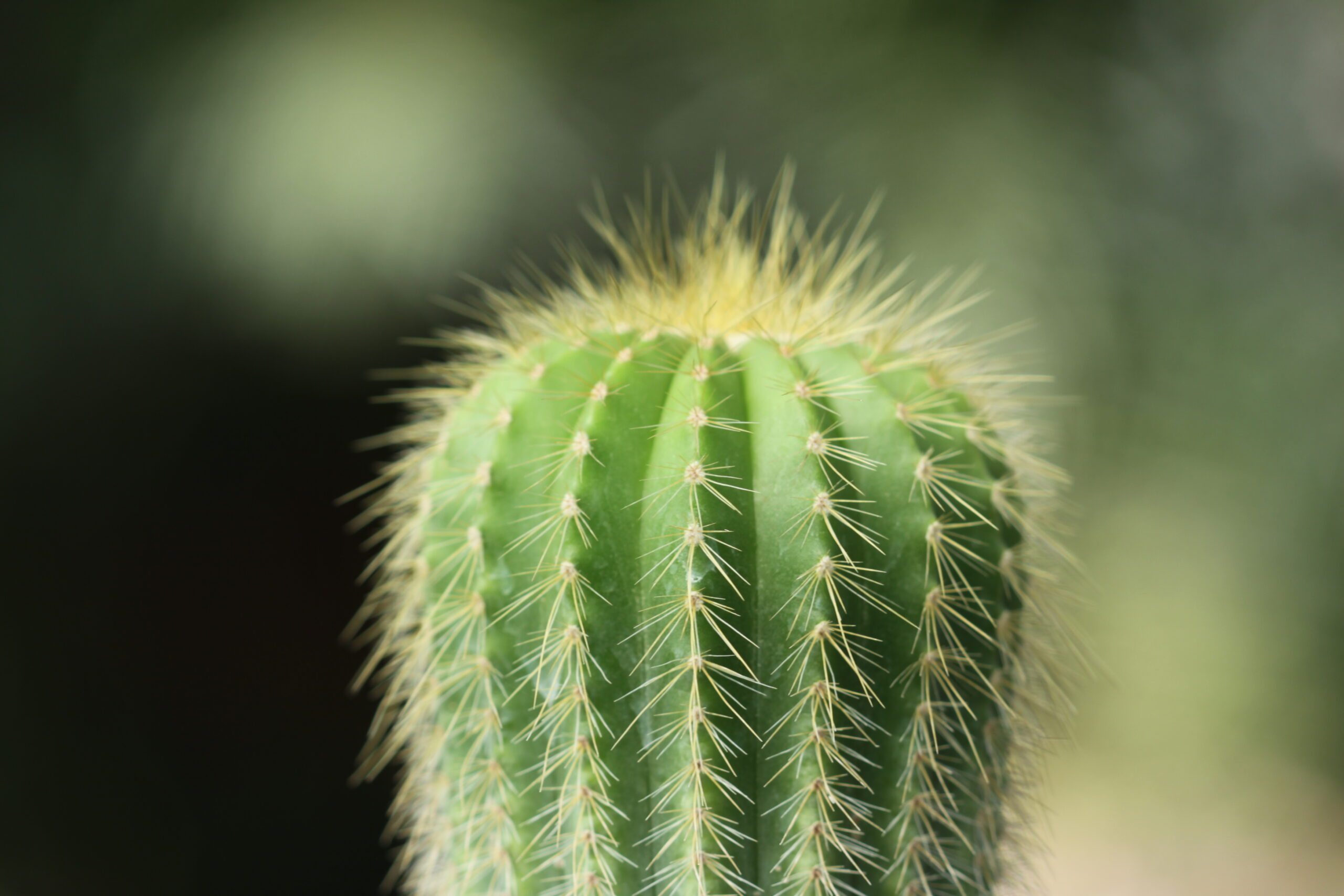
What Is CAM Photosynthesis and Why Does It Matter?
CAM photosynthesis is not exclusive to cactus. Succulents, agaves, and several other plants built for arid climates use the same system. But cactus plants are perhaps the most well-known example, and the process plays out in a clear, logical way.
After dark, the cactus opens its stomata and draws in carbon dioxide from the surrounding air. That CO2 does not get used immediately. Instead, it gets stored as malic acid within the plant’s cells — essentially put on hold until morning. Once the sun rises and the stomata close again, the stored carbon dioxide is released internally and used to drive photosynthesis, with sunlight providing the energy needed to complete the process.
The question of whether do cactus produce oxygen during the day or at night, then, has a layered answer. CO2 is absorbed at night. Oxygen is produced and released during the day, through the internal conversion of stored acids. The plant manages to carry out a full photosynthetic cycle without ever exposing itself to dangerous levels of daytime heat.
This is part of why cactus plants in bedroom settings have become a popular choice among plant owners who are mindful of nighttime air quality. The CAM cycle gives them a slightly different gas exchange rhythm compared to conventional houseplants.
Do Cactus Produce Oxygen at Night? Here’s the Real Answer
This particular question comes up often, and it is worth addressing with some care. The short, honest answer is that do cactus produce oxygen at night in notable volumes — no, not in a way that would meaningfully change the air in a closed room.
What happens at night is the CO2 absorption phase. The cactus is active, its stomata are open, and it is pulling carbon dioxide in and locking it away as organic acid. By the time morning arrives, that stored carbon begins its conversion process, and oxygen is released as a result. So the oxygen production is real, but it is tied to the daytime portion of the cycle rather than the nighttime portion.
In terms of raw output, a cactus produces considerably less oxygen than a leafy houseplant of a similar size. The absence of broad leaves means less surface area for light capture, and the slower metabolic rate that comes with CAM photosynthesis means the overall volume of oxygen released is modest. What cactus plants offer instead is reliability. The CAM cycle does not stop. It continues season after season, year after year, without requiring the conditions that more demanding plants need to thrive.
To be direct about it: do cactus produce oxygen as part of their normal biological function? Absolutely. Does a single small cactus noticeably improve the oxygen levels in your bedroom? Not in any measurable way.
Cactus vs. Other Plants: Oxygen Production Compared
To put cactus oxygen production in perspective, here is how they compare against some of the most common houseplants:
| Plant | Oxygen Production Level | Photosynthesis Type | Best Placement | Care Level |
|---|---|---|---|---|
| Cactus | Low–Moderate | CAM | Sunny windowsill or bedroom | Very Easy |
| Snake Plant | Moderate | CAM | Bedroom, low-light areas | Easy |
| Pothos | Moderate–High | C3 | Living room, office | Easy |
| Peace Lily | Moderate | C3 | Shade-tolerant spaces | Moderate |
| Spider Plant | Moderate–High | C3 | Hanging planters, indoors | Easy |
| Aloe Vera | Low–Moderate | CAM | Kitchen windowsill | Easy |
| Fern | High | C3 | Humid bathrooms | Moderate–High |
The pattern here is clear. Cactus plants sit at the lower end of the oxygen production scale when compared to broad-leaved houseplants. A fern or a pothos will outperform them on that front without question. But do cactus produce oxygen reliably, with almost no care required and in conditions where other plants would struggle? That is where they genuinely stand out.
7 Surprising Facts About Cactus and Oxygen You Probably Didn’t Know
1. They Store CO2 Like a Battery
The malic acid storage system in CAM plants is essentially a biological holding tank for carbon. The cactus fills it at night and draws from it during the day. This makes cactus plants remarkably efficient in environments where resources are scarce.
2. They Photosynthesize Where Other Plants Cannot
Do cactus produce oxygen in extreme environments? Yes. On sun-baked rooftops, in dry apartment corners, and in regions with months of minimal rainfall, cactus keep photosynthesizing steadily. Most other plants would not survive the same conditions long enough to try.
3. Bigger Cactus Produce More Oxygen
This follows straightforward logic. A mature Saguaro cactus — which can live well beyond 150 years and reach heights of over 12 meters — carries out far more photosynthetic activity than a small desk cactus. Greater surface area means more capacity for light absorption and, in turn, more cactus oxygen production.
4. They Contribute to Desert Ecosystem Oxygen Levels
In natural desert biomes, do cactus produce oxygen that supports local wildlife? Yes. Birds, insects, and small mammals that live in and around cactus-rich environments benefit from the oxygen generated by these plants as part of the broader ecosystem’s gas exchange.
5. Photosynthesis May Occur Through Spines in Some Species
This one surprises most people. Certain cactus species have shown low levels of photosynthetic activity in their spines and areoles, not just their outer green stem tissue. Research into this area is still ongoing, and the contribution is likely small, but the finding speaks to how thoroughly adapted these plants are to making the most of available resources.
6. Indoor Cactus Can Modestly Support Air Quality
While the evidence is not dramatic, indoor plants — including cactus — have been studied for their potential to absorb volatile organic compounds (VOCs) from indoor air. The NASA clean air study is often cited in this context, though cactus were not among the top-performing species in that research.
7. They Produce Oxygen for Decades, Often Effortlessly
A healthy cactus can live for 20, 50, or even several hundred years depending on the species. Over that lifespan, do cactus produce oxygen continuously? Yes — and they often do so without repotting, without fertilizer, and without much attention from the person who planted them.
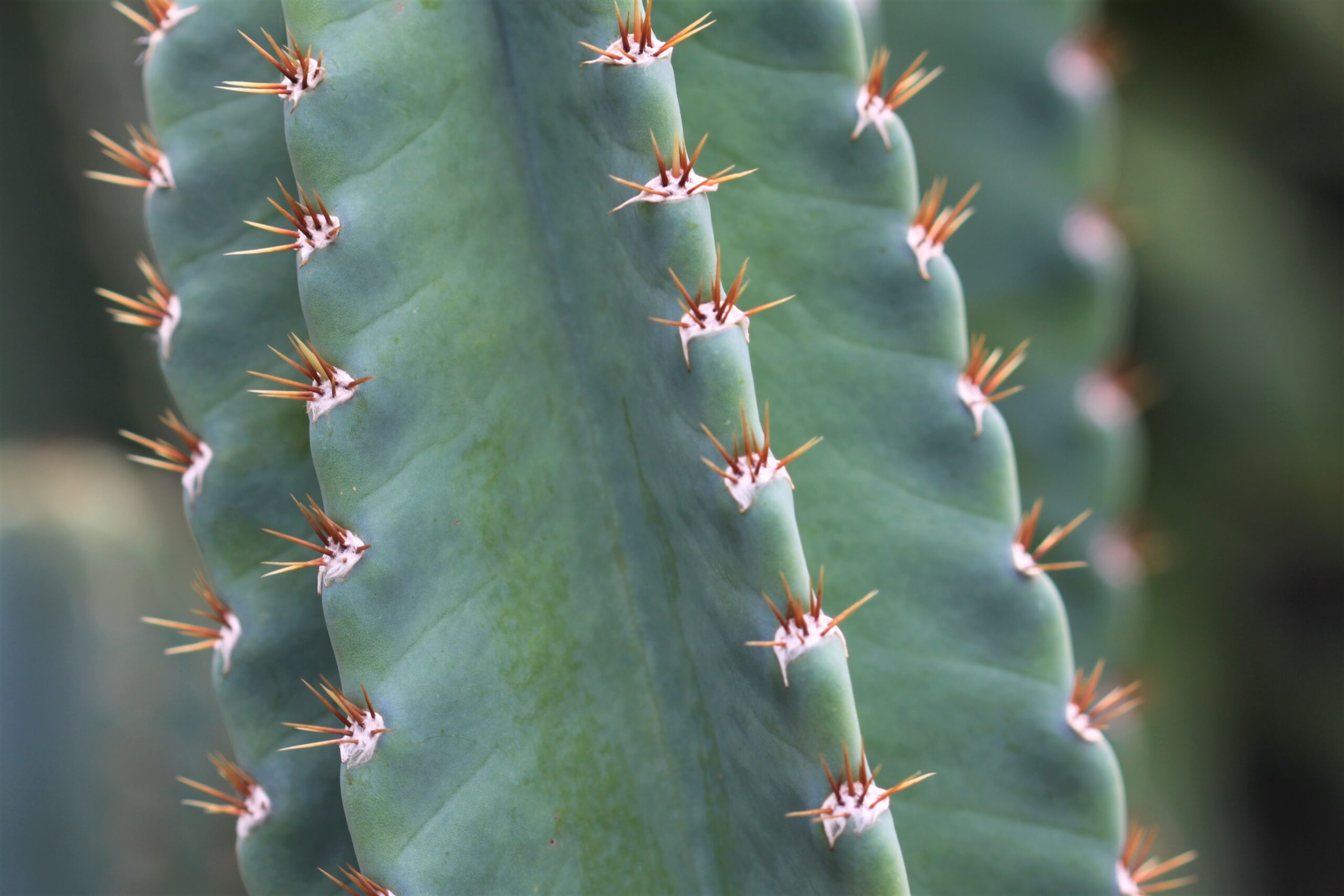
Should You Put a Cactus in Your Bedroom?
The bedroom cactus debate has been running for years in plant communities, and opinions tend to be strong on both sides. The practical answer sits somewhere in the middle.
Do cactus produce oxygen in a way that tangibly benefits bedroom air quality? In a small sense, yes. Because of the CAM cycle, they are not releasing significant amounts of CO2 during the night hours the way a standard C3 plant would. That gives them a marginal edge in terms of nighttime air dynamics over plants like ferns or pothos.
That said, the difference in actual oxygen levels produced by one small cactus in a bedroom is too minor to affect how you feel when you wake up. If you are placing a cactus in your bedroom hoping it will act as a natural oxygen booster while you sleep, the science does not quite support that expectation.
Where the argument for bedroom cactus becomes more convincing is in a different area entirely. Research in biophilic design — the study of how natural elements affect human psychology — consistently shows that people feel calmer, more focused, and less stressed in spaces that include living plants. The cactus benefits indoors extend beyond air chemistry. Even a small, low-maintenance plant near a window contributes to a sense of connection with the natural world.
So yes, a cactus in the bedroom is a reasonable choice. Just hold it to realistic standards.
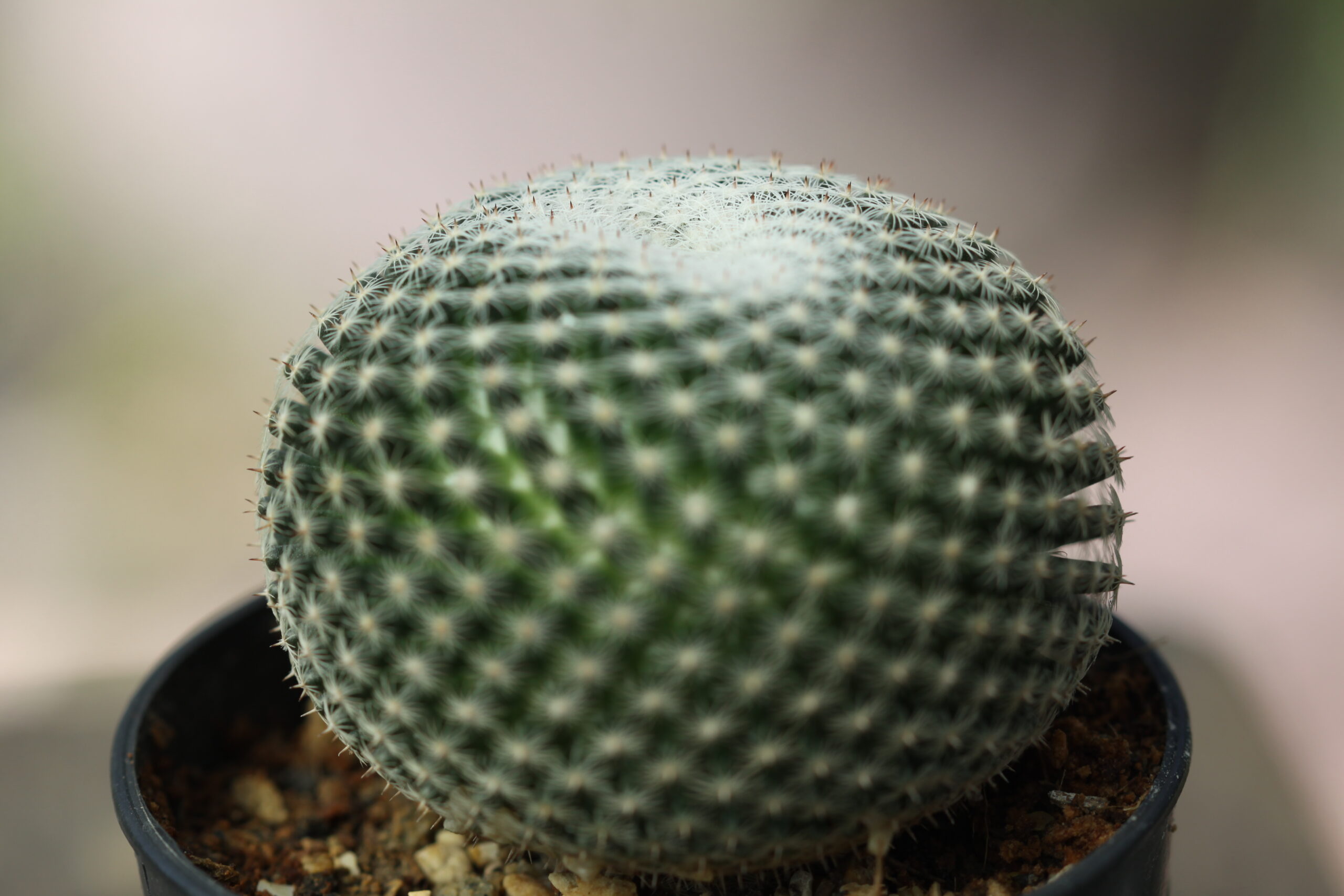
Practical Tips for Maximizing Your Cactus’s Oxygen Output
If you want to give your cactus the best conditions to carry out healthy photosynthesis, a few adjustments can make a meaningful difference:
- Provide consistent, bright light — cactus photosynthesis depends directly on light availability. A cactus placed in a dim corner will slow its metabolic processes, including oxygen production
- Water sparingly and correctly — root rot from overwatering is one of the most common reasons indoor cactus decline. Damaged roots reduce the plant’s overall function, including its ability to photosynthesize effectively
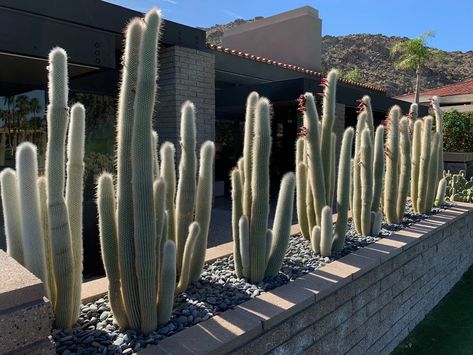
- Choose a larger variety when possible — a tall columnar cactus like a Cereus or a Trichocereus will produce more oxygen than a compact ball cactus, simply because of the difference in stem surface area
- Group cactus plants together — do cactus produce oxygen more noticeably when several plants share a space? Relatively, yes. A cluster of five or six cactus near a well-lit window contributes more to air quality than a single isolated plant
- Ensure good airflow around the plant — adequate ventilation supports the gas exchange cycle and keeps the plant’s environment healthy
A Quick Note on Succulents Too
Succulents and cactus share a great deal in terms of biology. Most succulents — aloe vera, echeveria, jade plants, and others — also rely on CAM photosynthesis to manage water and carry out their metabolic processes.
Do cactus produce oxygen differently than succulents? Not in any fundamental way. Both plant groups use the same core cycle. The differences that do exist come down to individual species characteristics, physical size, and the specific growing conditions rather than any meaningful divergence in how they photosynthesize. If you are interested in plants that produce oxygen at night through the CAM process, both cactus and succulents fit that description.
Frequently Asked Questions
Do cactus produce oxygen at night?
Cactus plants open their stomata at night to absorb CO2 as part of the CAM cycle. The actual release of oxygen occurs during the daytime, when stored carbon dioxide is processed through photosynthesis. The plant is metabolically active at night, but oxygen output is more closely tied to the daytime portion of the cycle.
How much oxygen does a cactus produce in a day?
A small indoor cactus releases a relatively modest amount of oxygen each day — less than most leafy houseplants of comparable size. The exact volume depends on the species, the size of the plant, and how much light it receives. Do cactus produce oxygen in quantities that noticeably change room air quality on their own? Not realistically.
Is it good to keep cactus indoors for air quality?
Cactus can contribute modestly to indoor air quality through cactus benefits indoors — mainly through steady oxygen release and minor absorption of certain airborne compounds. They are not the most efficient air-purifying houseplants available, but they are among the easiest to maintain, and they do provide a genuine, consistent living-plant presence in any indoor space.
Do cactus produce oxygen more than other plants?
No. Broad-leaved houseplants generally produce more oxygen per day than cactus plants because of their larger surface area and more active gas exchange during daylight hours. Do cactus produce oxygen reliably and without much care? Yes. Do they match the output of a fern or a spider plant? They do not.
Why do people say cactus are good for bedrooms?
The main reason relates to their CAM photosynthesis cycle. Because cactus absorb CO2 at night rather than releasing it, they are considered slightly more suitable for nighttime spaces than standard C3 plants. The practical difference is minimal for most people, but the logic behind the recommendation is scientifically grounded.
Conclusion: Do Cactus Produce Oxygen — And Are They Worth Having?
The answer has always been yes. Do cactus produce oxygen? They do — through a well-adapted, water-efficient photosynthesis system that has allowed them to survive in some of the harshest environments on the planet.
They are not going to transform the air quality of your home on their own. A single cactus on a windowsill is not a substitute for ventilation or an air purifier. But it is a living organism that contributes to its environment, asks very little of the person caring for it, and carries out its biological functions with a consistency that few other plants can match over the long term.
If you have been thinking about adding a cactus to your space, the case for doing so is straightforward. Choose a spot with good light, water it with restraint, and let it grow at its own pace. The cactus will handle the rest — producing oxygen steadily, year after year, in its own quiet and unhurried way.
Action step: Start with one medium-sized cactus near your sunniest window. Give it good light, water it sparingly, and observe how low-effort, long-lasting plant care can actually be.