Most growers don’t see it coming. The growing setup looks great, the crops are thriving, and then the electricity bill arrives — and it is far higher than expected. A 3,000-square-foot commercial greenhouse running HPS fixtures can consume anywhere from $800 to $1,200 in electricity every single month. That figure does not yet include the cost of cooling systems working overtime to offset all the heat those fixtures produce.
It raises a fair question: is there a better way to handle this?
Greenhouse lights solar setups have moved well beyond the territory of off-grid enthusiasts and self-sufficiency projects. Small-scale farmers, urban gardeners, and commercial growers are all reconsidering how they power their growing environments — and for good reason. The numbers increasingly support making the change. This article covers what you genuinely need to know before investing in greenhouse lights solar, from system basics to common mistakes and practical sizing guidance.
Why Solar-Powered Greenhouse Lighting Is Gaining Serious Attention
Not long ago, solar panels carried a reputation for being expensive, unreliable, and practical only in limited situations. That perception has shifted considerably over the past decade, and the underlying economics tell the story clearly.
According to data from the International Renewable Energy Agency (IRENA), the cost of solar photovoltaic panels has fallen by approximately 90% since 2010. When you pair that price reduction with the significant improvements in LED grow light efficiency, the case for greenhouse lights solar systems becomes genuinely strong across a wide range of growing operations — not just large-scale commercial ones.
There is also something quietly logical about the combination. Sunlight already drives photosynthesis inside your greenhouse. Using that same energy source to power your artificial grow lights is less of an innovation and more of a natural extension. The two technologies — greenhouse lighting and solar energy — complement each other in ways that feel almost intentional.
How Do Greenhouse Lights Solar Systems Actually Work?
Before spending anything, it helps to understand the four core components that make a greenhouse lights solar setup function as a complete system.
- Solar panels — Mounted on the roof or a nearby structure, they capture sunlight and convert it into direct current (DC) electricity.
- Charge controller — This device manages the flow of electricity from the panels to the battery bank, preventing overcharging and protecting the system.
- Battery bank — Stores the solar energy captured during daylight hours so your grow lights can continue running through the night or on overcast days.
- Inverter — Converts DC electricity into the alternating current (AC) that most standard grow lights require to operate.
Some newer LED grow lights are designed to run directly on DC power, which makes them a particularly efficient pairing for greenhouse lights solar systems. When you skip the inverter, you also skip the energy lost in the conversion process — a meaningful gain in overall system efficiency.
A well-sized and properly configured system tends to run with minimal daily involvement. Once it is set up and calibrated, the main thing most growers notice is the difference on their electricity statement.
7 Things Most People Get Wrong About Greenhouse Lights Solar
1. Assuming All Grow Lights Behave the Same Way With Solar
This assumption can be costly. HPS (high-pressure sodium) lights draw a significant surge of current during startup — sometimes three to five times their normal operating amperage. That spike places real strain on battery banks and can trip inverters unexpectedly. LED grow lights, by contrast, start up gradually and maintain a consistent power draw throughout their operation. For anyone building a greenhouse lights solar system, LED fixtures are almost always the more practical and cost-effective pairing.
2. Undersizing the Battery Bank
Of all the mistakes growers make when building a greenhouse lights solar setup, this one tends to be the most expensive to correct. Solar panels generate electricity during daylight, but many crops require supplemental lighting in the early morning or late evening — precisely the hours when panels produce little or nothing. A battery bank sized for a greenhouse lights solar system should reliably cover at least 10 to 14 hours of lighting load, accounting for those extended low-production periods.
3. Ignoring Your Local Solar Resource
Geography matters significantly when planning a greenhouse lights solar installation. A system in Arizona will harvest considerably more energy than an identical system installed in the Pacific Northwest. Before purchasing any equipment, look up the “peak sun hours” for your specific location — this is a standardized measure of average daily solar energy availability. That single figure shapes every other calculation in your system design.
4. Overlooking Temperature Effects on System Performance
Temperature affects both solar panels and battery banks in ways that are easy to underestimate. Panel output actually decreases in very high heat — a fact that surprises many first-time solar buyers. Battery capacity, particularly in lead-acid systems, drops noticeably in cold conditions. If your greenhouse environment experiences seasonal temperature extremes, those conditions need to be factored into your greenhouse lights solar system design from the beginning, not addressed as an afterthought.
5. Placing Panels in the Wrong Location or Angle
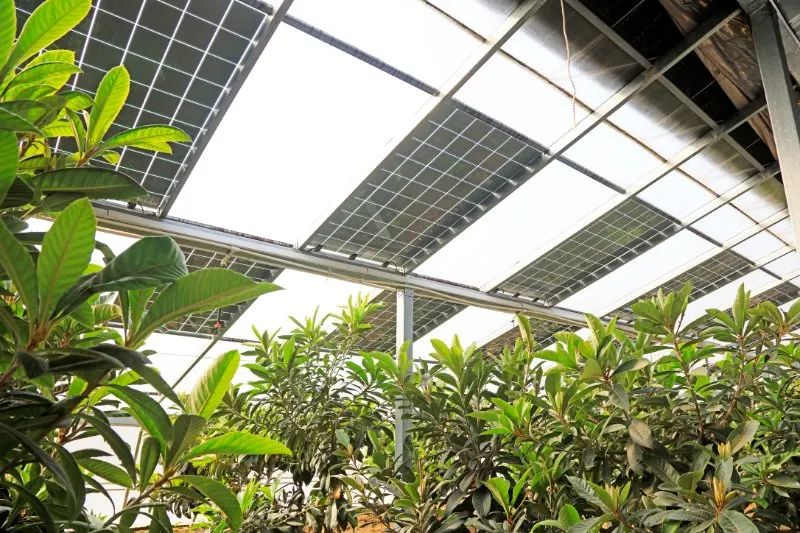
Solar panels for a greenhouse lights solar system generally belong outside the growing structure, not inside it. Positioning them inside would reduce the natural light available to your plants — the opposite of what a greenhouse is designed to do. Mounting them on a south-facing exterior roof section or on a nearby ground mount is the standard approach. For most mid-latitude locations in the Northern Hemisphere, a tilt angle between 30 and 35 degrees provides a solid starting point for year-round energy capture.
6. Skipping the Energy Load Audit
Sizing a greenhouse lights solar system without first knowing your actual electricity load is like planning a road trip without knowing the distance. You need to know how many watts each fixture draws and how many hours per day it operates. Add those figures together across all your fixtures and you have your daily watt-hour requirement — the single most important number in designing any greenhouse lights solar setup. Skipping this step almost always leads to a system that underperforms exactly when you need it most.
7. Expecting a Completely Maintenance-Free Setup
Solar energy systems are low-maintenance, but they are not maintenance-free. Panels accumulate dust, pollen, and debris over time, and that buildup measurably reduces output. Flooded lead-acid batteries need periodic water replenishment and equalization charges to stay healthy. Even lithium battery systems benefit from regular monitoring. Your greenhouse lights solar setup will demand far less attention than a diesel generator, but it does reward basic, consistent care.
Real-World Example: A Small Farm in Tennessee
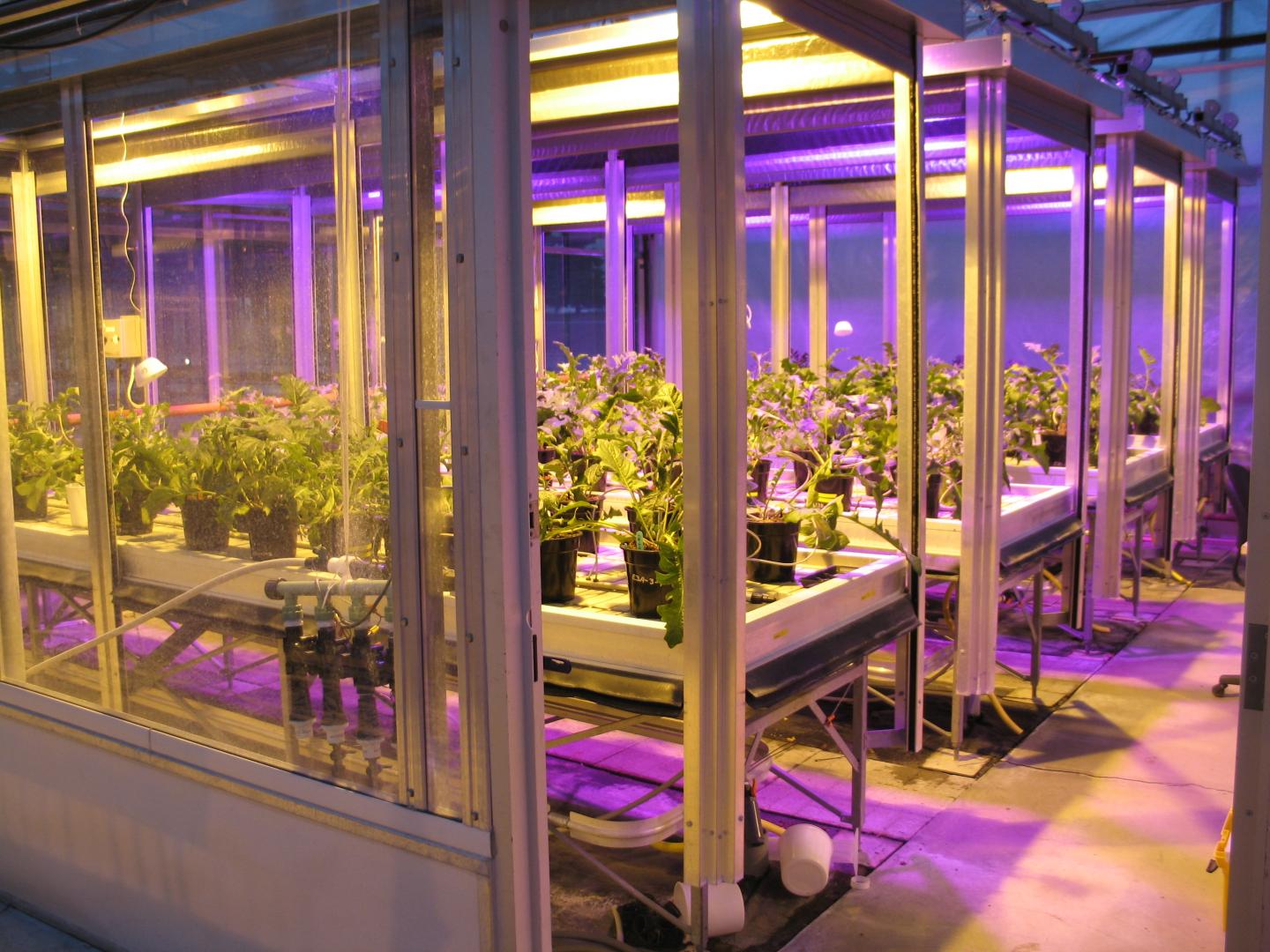
A 1,200-square-foot hobby-to-market greenhouse in middle Tennessee offers a useful reference point. The operation ran eight 200W LED grow lights, bringing the total lighting load to 1,600 watts. During winter months, with a 14-hour daily light period, that translated to 22.4 kWh of electricity consumed per day — roughly $2.90 daily, or approximately $87 each month at the local utility rate.
After transitioning to a 6kW solar array paired with a 20 kWh lithium battery bank, the monthly electricity cost for that greenhouse lights solar system dropped to nearly zero. The full installation paid for itself in around four and a half years. Since then, the system has continued operating at minimal ongoing cost across more than two full growing seasons.
What makes this example worth sharing is that it is not exceptional. Growers across different regions and at different scales are seeing similar outcomes. The transition to greenhouse lights solar is producing real, measurable financial results — not just for large commercial operators, but for small and mid-sized growers as well.
Solar Greenhouse Lighting: Comparing Your System Options
–$
| System Type | Upfront Cost | Best For | Grid Dependency | Payback Period |
|---|---|---|---|---|
| Grid-tied solar + net metering | $$ | Larger operations with grid access | Low | 4–7 years |
| Off-grid solar with battery | $$$ | Remote locations, full independence | None | 5–8 years |
| Solar hybrid (solar + grid backup) | Most home and mid-scale greenhouses | Minimal | 4–6 years | |
| Portable solar grow light kits | $ | Small hobby greenhouses, seedling areas | None | 1–2 years |
| Solar-charged standalone fixtures | $ | Supplemental light, low-intensity zones | None | 1–3 years |
For most growers entering the greenhouse lights solar space, the hybrid approach offers the most balanced combination of savings and reliability. It draws on solar energy as the primary source while keeping a grid connection available as a fallback during extended periods of low sunlight — particularly during winter months when both days are shorter and cloud cover is more persistent.
What Spectrum of Light Should You Target?
One area where growers sometimes make costly assumptions is light spectrum. When transitioning to greenhouse lights solar, selecting the right grow light output matters as much as selecting the right solar equipment.
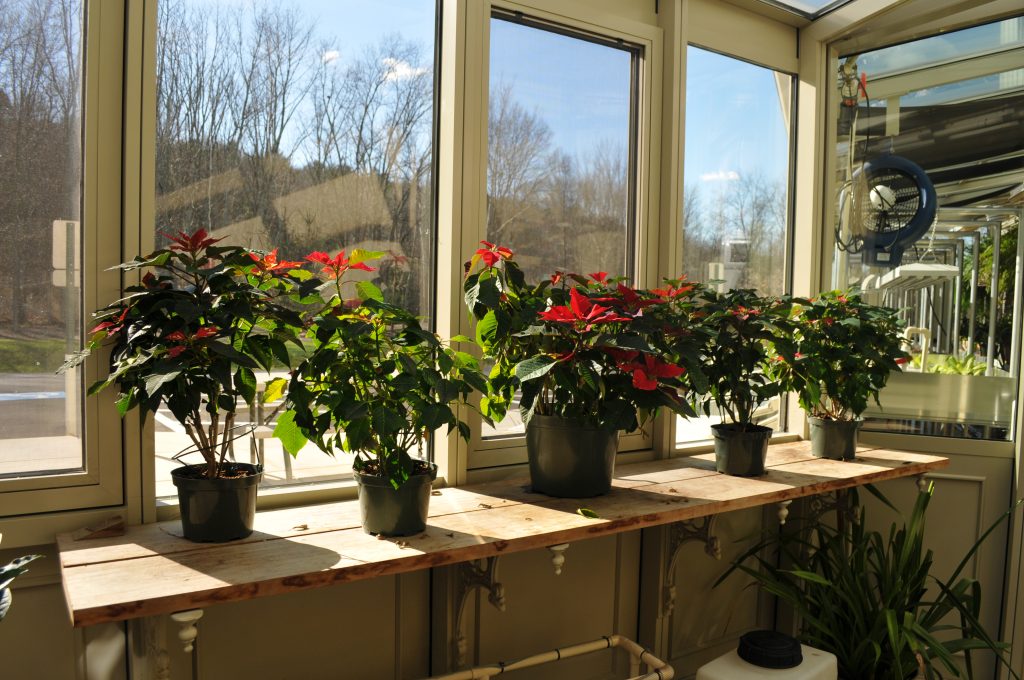
Plants use different wavelengths of light for different growth processes. Red wavelengths in the 630–660nm range are most relevant to flowering and fruiting. Blue wavelengths around 440–470nm support healthy vegetative development. A full-spectrum LED grow light designed to cover both ranges is generally the most practical and efficient choice for any greenhouse lights solar pairing.
It is worth being cautious with budget LED options that produce a distinctly purple or pink light — often called “blurple” fixtures. Many of these products carry inflated wattage claims and deliver poor photon efficiency in the wavelengths plants actually use. When evaluating any LED fixture for a greenhouse lights solar setup, look for a verified PPF (Photosynthetic Photon Flux) rating and, where possible, a spectrum report from an independent testing source.
How Many Solar Panels Do You Actually Need?
The sizing process for a greenhouse lights solar system is more straightforward than it might appear. Working through it step by step gives you a clear, defensible number to build your budget around.
Step 1: Calculate your total lighting wattage. For example, four lights at 150W each equals 600W total.
Step 2: Multiply that figure by your daily operating hours. At 16 hours per day, 600W becomes 9,600 Wh of daily energy demand.
Step 3: Divide your daily demand by your location’s peak sun hours. Using five hours as an example: 9,600 ÷ 5 = 1,920W of solar capacity required.
Step 4: Add 20–25% to account for real-world system losses from inverter conversion, wiring resistance, and battery cycling inefficiency. That brings the figure to approximately 2,400W of installed solar capacity.
For this example, you would need around six to eight standard 400W panels. Your battery bank should be sized to hold two to three days of your full energy load — between 19,200 and 28,800 Wh — to provide adequate reserve during consecutive cloudy days.
For growers where the upfront investment feels significant, starting with a partial greenhouse lights solar system that offsets 50 to 70 percent of the lighting load is a practical middle ground. Many growers begin there and expand capacity as the initial savings accumulate.
Are There Grants or Incentives for Greenhouse Lights Solar?
Financial incentives are one of the most commonly overlooked factors in greenhouse lights solar planning, and they can make a meaningful difference in the total cost of a project.
In the United States, the federal Investment Tax Credit (ITC) allows eligible taxpayers to deduct a significant percentage of their qualified solar installation cost directly from their federal tax liability. The exact percentage has varied with legislation over time, so confirming the current rate before budgeting is recommended. Many states offer additional credits or rebates that stack on top of the federal benefit.
For agricultural and commercial operations, the USDA’s Rural Energy for America Program (REAP) is worth close attention. It provides grants and loan guarantees specifically for renewable energy systems — including greenhouse lights solar installations — and can cover up to 25% of eligible project costs for qualifying applicants.
Before finalizing any greenhouse lights solar budget, it is worthwhile to review your local utility’s net metering policies and check whether your operation qualifies for agricultural energy exemptions. These details vary by region and can noticeably improve the financial case for going solar.
Frequently Asked Questions
Can greenhouse lights solar systems work during winter months?
Yes, provided the system is sized with winter conditions in mind. Shorter days and heavier cloud cover during winter months reduce daily solar production, which means the battery bank and panel array both need to be larger than what a summer-only calculation would suggest. Some growers also maintain a modest grid connection as a backup supply during December and January — the months when solar resources are typically at their lowest.
What is the best battery type for a greenhouse lights solar setup?
Lithium iron phosphate (LiFePO4) batteries are currently the most reliable option for greenhouse lights solar systems. They offer substantially longer cycle life — typically 2,000 to 4,000 charge cycles compared to 300 to 700 for standard lead-acid batteries — along with a usable discharge depth of 80 to 90 percent and stable performance across a broader temperature range. The higher initial cost is generally recovered over the system’s operating life through reduced replacement frequency and better overall efficiency.
Do I need a professional to install a greenhouse lights solar system?
Growers with solid electrical knowledge have successfully installed small greenhouse lights solar systems under 1kW on their own. For larger systems — and particularly for anything connected to the grid — professional installation is the responsible choice. Grid-tied systems typically require permits and inspections, and many incentive programs require certified installation as a condition of eligibility.
How long do solar panels last in a greenhouse environment?
Quality solar panels carry performance warranties for 25 to 30 years, and real-world longevity tends to match those ratings when panels are maintained properly. The greenhouse environment itself is not especially damaging to panels, as long as they are mounted outside the growing structure. Sustained high humidity and fertilizer-laden air inside a greenhouse can degrade panel surfaces over time, which is one of several practical reasons external mounting is the standard recommendation for greenhouse lights solar systems.
Can I run a full commercial greenhouse entirely on greenhouse lights solar?
For smaller commercial operations — generally under 5,000 square feet — running entirely on greenhouse lights solar is increasingly achievable, particularly in regions with strong and consistent solar resources. Most larger commercial operations take a different approach, using solar to offset a significant share of their total lighting load rather than eliminating grid dependence entirely. A hybrid configuration tends to offer the most operational flexibility at scale.
Making the Switch: A Practical First Step
If you have been considering greenhouse lights solar but are not yet sure where to begin, the most productive starting point is simpler than it might seem. Pull your last three months of electricity bills. Estimate what share of that consumption comes from your grow lights. Then run the basic sizing calculation outlined in this article.
That process will give you a realistic picture of what a greenhouse lights solar system would need to cover your load — and what it would likely cost. It removes the guesswork and replaces it with actual numbers you can evaluate.
The technology available today is mature and well-tested. The economics have improved to a point where the conversation is no longer about whether greenhouse lights solar makes financial sense, but rather which system configuration makes the most sense for a given operation. Growers who committed to making the transition two or three years ago are now working with lighting costs that are a fraction of what they once were.
Conclusion
Greenhouse lights solar has earned its place as a mainstream growing strategy, not a niche one. The combination of lower solar hardware costs, more efficient LED grow light technology, and available financial incentives has made it a genuinely sound investment for operations at nearly every scale.
Approaching it carefully matters. A thorough load audit, properly sized battery storage, the right battery chemistry, and a clear understanding of available incentives all contribute to a system that performs well over the long term. Starting smaller and expanding later is a reasonable path for those where upfront investment is a constraint.
Plants need consistent, quality light to grow well. The sun generates that energy without cost. Greenhouse lights solar is simply the most practical and financially intelligent way to connect those two realities.
Action Step: This week, calculate your greenhouse’s daily watt-hour load using the step-by-step formula in this article. That number — straightforward to calculate and easy to verify — is the foundation of any greenhouse lights solar system that can realistically pay for itself within five years.