You move into a new place with fresh walls, decent light, and real potential. Then the lease agreement reminds you that you cannot paint, cannot drill, and apparently cannot breathe near the walls without risking your deposit. That moment of frustration is something millions of renters experience every year.
It is precisely why temporary home decor has grown from a niche workaround into a fully respected approach to interior styling. This is not about settling for less. It is about making smarter, more flexible choices — whether you are renting a city apartment, living somewhere short-term for work, or simply someone who genuinely enjoys refreshing their space every year or two without the financial and physical commitment of permanent changes.
What has changed most in recent years is the quality. Temporary no longer suggests cheap or visually underwhelming. The options available today are thoughtfully designed, widely accessible, and capable of producing results that look genuinely considered.
Why Temporary Home Decor Is Having a Major Moment
Renting is more common than most people realise. According to the U.S. Census Bureau, nearly 36% of American households currently rent their homes. That is a significant portion of the population looking for ways to feel settled and comfortable without making irreversible changes to a space they do not own.
But temporary home decor has moved well beyond the rental market. Homeowners who like to update their spaces seasonally, parents decorating a child’s room that will need to change as the child grows, and people preparing a property for sale — all of them are finding real value in decor that is reversible, reusable, and renter-friendly.
The industry has responded accordingly. What once began as simple removable hooks and basic peel-and-stick borders has developed into a broad design ecosystem that includes removable wallpaper, adhesive tiles, fabric wall art, furniture systems, and much more. The category has matured, and the results reflect that.
The Real Challenges of Styling a Temporary Space
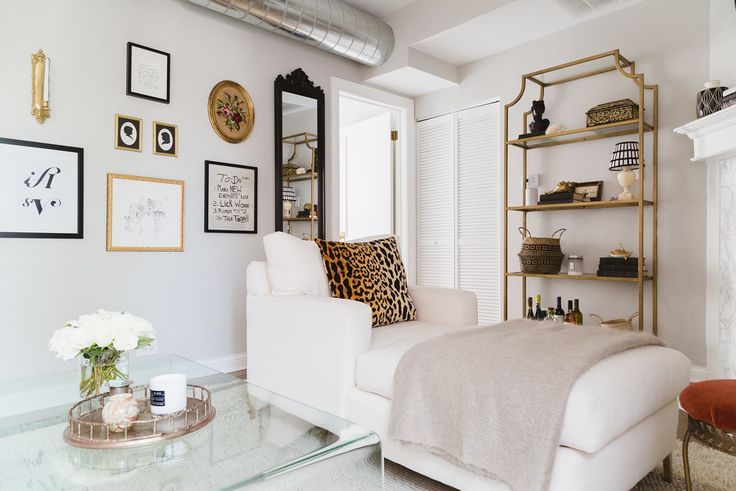
Before getting into specific ideas, it helps to name the obstacles that most people are actually dealing with. These are the concerns that come up repeatedly when people think about apartment decorating ideas for spaces they do not fully control.
- Fear of losing the security deposit over wall damage
- Blank, impersonal walls that make a space feel temporary in the wrong way
- Furniture that does not suit the room dimensions or the overall aesthetic
- Wanting a cohesive, well-designed look without replacing everything from scratch
- Uncertainty about committing to a style when preferences might shift in a year
Temporary home decor addresses each of these concerns directly. The ideas below are chosen specifically because they work within these real-world constraints rather than ignoring them.
9 Practical and Stylish Temporary Home Decor Ideas
1. Peel and Stick Wallpaper: The Biggest Game-Changer
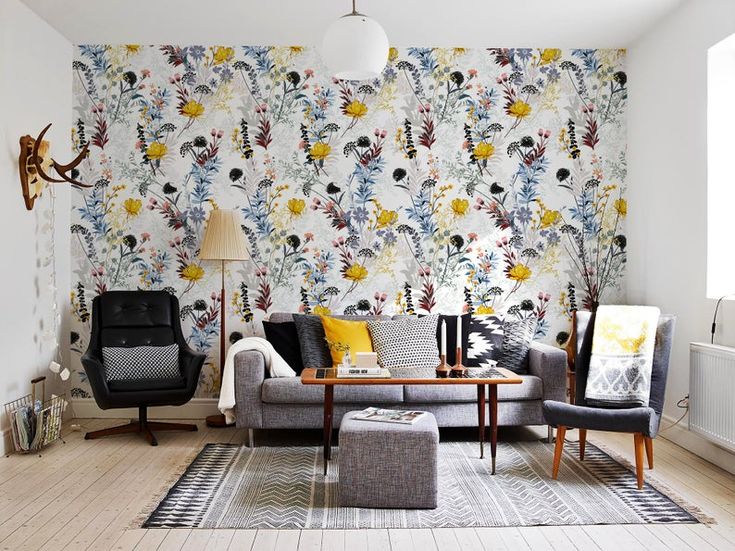
If any single product has transformed the conversation around temporary home decor, it is peel-and-stick wallpaper. Modern versions are a far cry from the flimsy, bubble-prone sheets that appeared a decade ago. Today’s options convincingly replicate the look of linen, marble, botanical illustration, geometric pattern, and textured brick — and they remove cleanly without lifting paint.
The accent wall approach remains the most popular application: one wall behind the bed or sofa, chosen intentionally, creates a strong visual anchor for the entire room. Brands like Tempaper and Chasing Paper have developed substantial followings because their products consistently deliver on both aesthetics and removability.
A practical note: measure carefully, request a sample before committing to a full order, and always apply to a clean and fully dry surface. Bathrooms with high humidity can weaken adhesion over time, so check whether the product is rated for wet environments before installing it there.
2. Removable Wall Decals and Murals
Wall decals occupy a very different space now compared to where they were in the early 2000s. The current range includes large-format removable murals that genuinely resemble hand-painted artwork, precise architectural line drawings, and typographic designs that can be customised to specific dimensions.
This solution works particularly well in children’s rooms, where the wall decoration needs to evolve as the child does. A parent writing on a home design forum shared a straightforward example: she applied a removable forest mural for her daughter’s toddler years, then replaced it with a clean geometric design around age seven. The wall was undamaged throughout. The room felt completely different each time.
That adaptability is one of the defining strengths of temporary home decor. The space changes without the cost or disruption of permanent renovation.
3. Command Hooks and Strips (Used Strategically)
Command strips tend to be underestimated. Most people use one or two to hang a lightweight frame, and that is where it ends. Used more deliberately, however, they become one of the most versatile tools in damage-free decorating.
Here is what is genuinely possible with them:
- Building a gallery wall using multiple framed prints, carefully staying within the per-strip weight guidelines
- Installing floating shelves using Command’s own shelf-and-strip systems
- Mounting mirrors, curtain rods, and hanging planters without a single nail
- Creating a functional entryway with hooks for coats, bags, and keys
The most important steps are checking the weight rating for each strip and preparing the wall surface properly. Wiping the area with isopropyl alcohol before application makes a meaningful difference to how well the strips hold over time.
4. Freestanding Furniture as a Design Strategy
There is a principle in non-permanent home styling that does not get discussed often enough: designing the room around freestanding furniture rather than built-in or wall-mounted pieces. It is a shift in thinking more than anything else, but it changes the outcome significantly.
A sideboard instead of a wall-mounted media unit. An open bookcase instead of fitted shelving. A freestanding clothes rack instead of a built-in wardrobe. Each of these choices gives you full flexibility to rearrange, move the piece to another room, or take it with you when you leave.
IKEA’s KALLAX and BILLY systems have become genuinely popular in the temporary home decor space for this reason. They are modular, they adapt to different configurations, and when styled thoughtfully — with plants, books, small objects, and considered spacing — they look far better than their price point suggests.
5. Fabric Wall Hangings and Tapestries
Textile art has been used to decorate walls for centuries. In the context of temporary wall solutions, it remains one of the most practical and visually effective options available. A single large woven tapestry, hung with a tension rod or a removable hook, can transform a plain wall into a genuine focal point.
Macramé panels, printed cotton hangings, and vintage-style textile pieces all work within this approach. They are light, easy to reposition, and they introduce warmth and tactile texture in a way that framed prints or decals simply cannot replicate.
For spaces where the goal is a layered, collected aesthetic — textiles on the wall, a throw across a chair, a patterned rug on the floor — the result reads as intentional and personal rather than furnished by default. That feeling of intention is something temporary home decor, at its best, consistently achieves.
6. Renter-Friendly Window Treatments
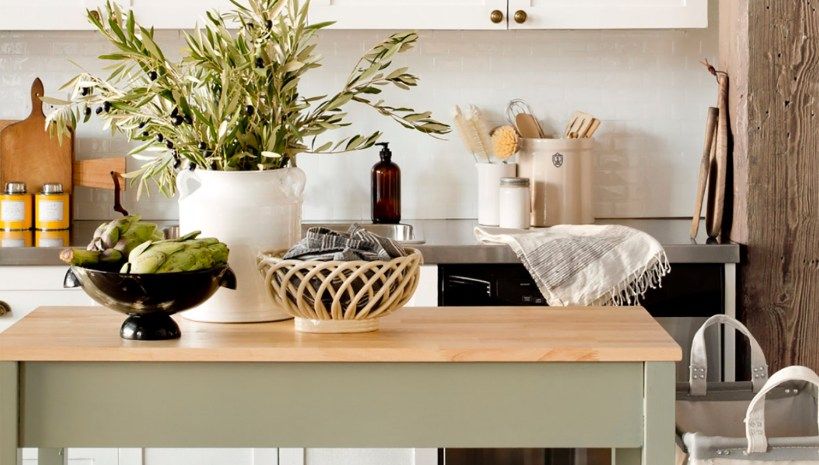
Window treatments are one of the most impactful and most overlooked elements of rental home makeover projects. Standard rental blinds are functional but rarely attractive, and they affect how light enters and feels in the room throughout the entire day.
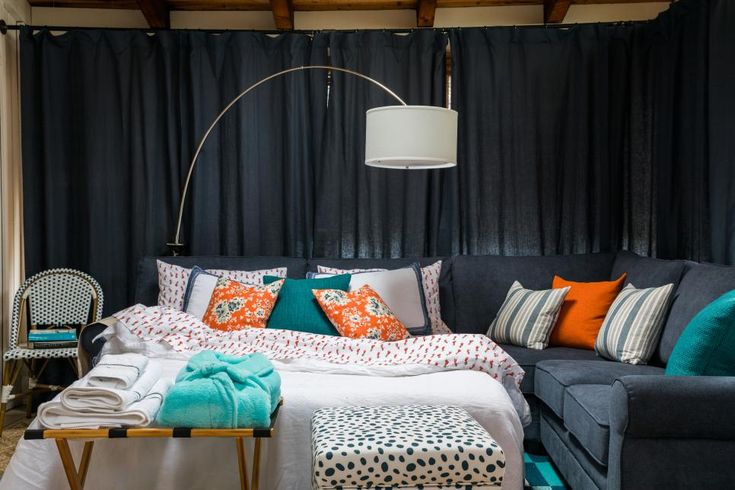
Tension rods are the simplest fix: no drilling required, they hold lightweight curtains securely, and they are inexpensive. For heavier curtain panels, over-door curtain rod brackets rest on top of the door frame or window molding without requiring a single screw. The difference between standard rental blinds and well-chosen linen curtains is significant — the room feels warmer, quieter, and more considered almost immediately.
This is a change that temporary home decor guides do not always emphasise, but it consistently ranks among the most cost-effective improvements a renter can make.
7. Peel-and-Stick Tiles for Kitchen and Bathroom Refresh
Dated tile is one of the more difficult things to live with in a rental. An outdated kitchen backsplash or a bathroom tiled in colours that were last fashionable decades ago can affect how the entire space feels, regardless of how well everything else is styled. Peel-and-stick tiles offer a practical, reversible solution that does not require professional installation.
Applied over existing ceramic tile, quality peel-and-stick options can genuinely update the look of a kitchen or bathroom in a single afternoon. The key distinction is quality: thicker, more substantial tiles with proper adhesive backing perform far better and look more convincing than the thin, paper-based alternatives. It is worth spending slightly more to get a result that holds up and looks credible.
Comparison Table: Popular Temporary Home Decor Solutions
| Decor Solution | Avg. Cost | Difficulty | Best For | Reversible? |
|---|---|---|---|---|
| Peel-and-stick wallpaper | $30–$80/roll | Medium | Feature walls | Yes |
| Removable wall decals | $15–$60 | Easy | Nurseries, accents | Yes |
| Command strips/hooks | $5–$20 | Easy | Gallery walls, shelving | Yes |
| Peel-and-stick tiles | $20–$50/sheet | Medium | Kitchen, bathroom | Yes |
| Tension rod curtains | $10–$40 | Easy | Windows | Yes |
| Freestanding shelving | $50–$200 | Medium | Storage + styling | Yes |
| Fabric tapestries | $20–$100 | Easy | Living room, bedroom | Yes |
8. Area Rugs to Define and Anchor Spaces
In open-plan apartments and studio layouts, area rugs do something that almost nothing else can: they define zones without physical division. A rug under the sofa and coffee table separates the living area from the dining space. A rug placed beneath the bed anchors the sleeping zone and gives the room a clear sense of structure.
Beyond their spatial function, rugs introduce colour, warmth, and pattern in a way that feels grounded rather than decorative for its own sake. In the context of temporary home decor, rugs are particularly valuable because they move easily, work in almost any configuration, and improve with layering. Two rugs of different sizes, textures, or patterns placed together can produce a result that looks more deliberate than a single piece alone.
9. Lighting as a Design Element (Not Just Function)
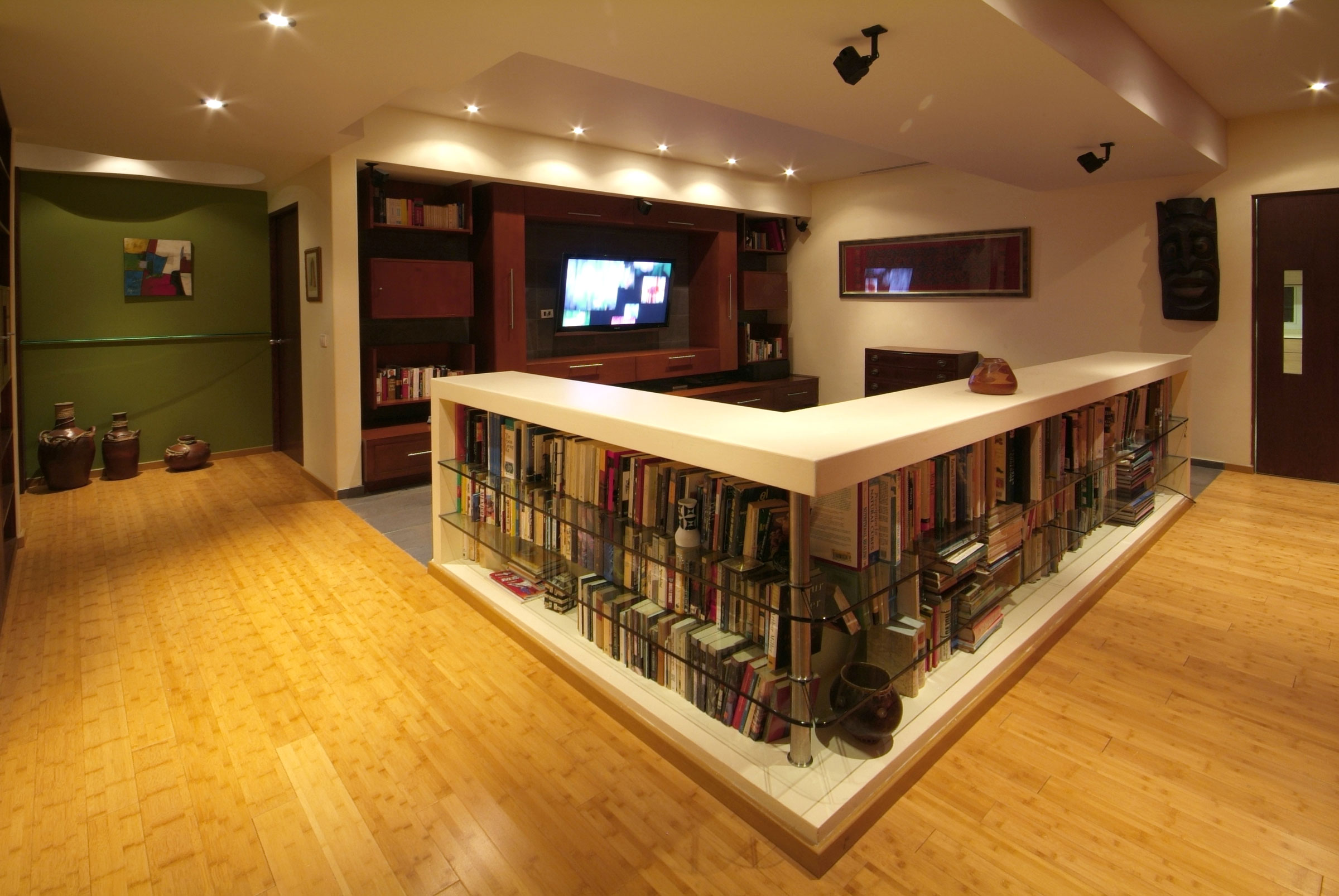
Most rental properties are lit as though comfort were an afterthought. A single overhead fixture per room, positioned for convenience rather than atmosphere, is the standard. Temporary home decor that focuses only on walls and surfaces often misses the significant impact that layered lighting makes.
Table lamps, floor lamps, LED strip lights placed behind furniture or along shelving, battery-operated wall sconces, and clip-on task lights each contribute to a more considered lighting environment. The goal is to reduce dependence on the overhead fixture and build up warmer, lower-level light sources that make the room feel inhabited rather than merely functional. Changing a standard bulb to a warm-toned alternative — around 2700K — is one of the simplest adjustments available and one of the most immediately noticeable.
Questions Worth Asking Before You Start
Are you styling to stay, or styling to sell? The priorities are different. A space meant to feel like home over two or three years calls for personal, layered choices. A space being prepared for a listing needs to photograph well and appeal broadly.
What is your real budget — per item or in total? Temporary home decor delivers the best results when investment is concentrated in a few high-impact areas — quality curtains, a substantial rug, one well-chosen wallpaper wall — rather than spread thinly across many small pieces that individually add little.
Does the decor need to withstand daily use by children or pets? If so, material durability and surface washability become more important considerations than visual trend or aesthetic novelty.
Common Mistakes to Avoid With Temporary Decor
One of the most common missteps people make with temporary home decor is treating “temporary” as a reason to avoid quality. The result is a space that looks provisional — not because it lacks permanence, but because every individual piece looks like a placeholder. A space styled with that approach rarely feels like home.
The more effective method is to anchor the room with one or two quality pieces — a proper rug, a well-built bookcase, curtains made from a fabric that hangs well — and build the rest of the scheme around them using more affordable temporary accents. The quality pieces provide the visual foundation. Everything else supports them.
Over-accessorising is the other mistake worth avoiding. In smaller spaces especially, adding too many objects competes with the room’s natural proportions rather than working with them. Temporary home decor tends to work best when it is edited — a considered selection of pieces that each have a reason to be there, rather than a collection assembled without a unifying point of view.
Conclusion: Style Without the Strings Attached
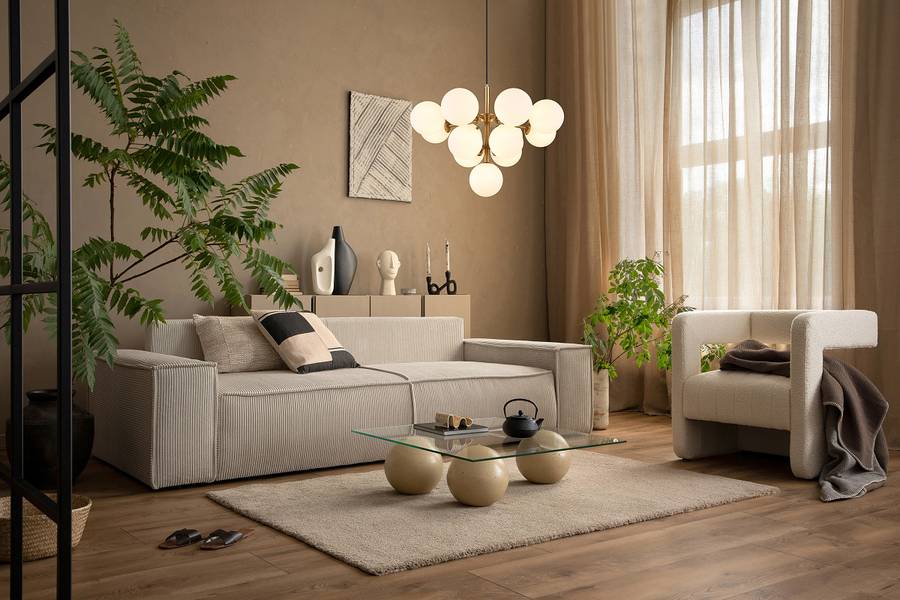
Temporary home decor has fundamentally changed what it means to make a space feel like your own. Ownership of the walls is no longer a prerequisite for creating an environment that reflects genuine care and personal taste. The tools, products, and strategies available today make it entirely possible to live in a space that feels designed — not just occupied.
The most useful thing you can do right now is choose one room and make one change. Swap the rental blinds for curtains that let in better light. Apply a peel-and-stick wallpaper panel behind the bed. Lay down a rug that you actually like walking on. These individual steps are small, but collectively they shift how a space feels on a daily basis.
A home does not have to wait for permanent circumstances to feel genuinely yours.
Frequently Asked Questions
Does peel-and-stick wallpaper actually come off without damaging walls?
Quality peel-and-stick wallpaper is designed to remove cleanly from walls with a standard latex paint finish in good condition. The two factors that matter most are the type of paint on the wall — flat or matte finishes carry more risk — and how long the wallpaper has been applied. Testing a small section in an inconspicuous area before full installation is always advisable.
Is temporary home decor worth it if I’m only staying somewhere for six months?
Yes, without reservation. Even modest changes — a rug, curtains on a tension rod, a few framed prints on Command strips — make a measurable difference to how a space feels day to day. The quality of your living environment affects concentration, rest, and general wellbeing. Six months is long enough for that to matter.
Can I use peel-and-stick tiles in a bathroom?
Yes, provided the product is specifically rated for humid or wet environments. Standard adhesive tiles may not perform reliably in bathrooms with poor ventilation or frequent moisture exposure. Look for products with water-resistant backing and adhesive designed for high-humidity conditions.
Where can I find inspiration for temporary home decor ideas?
Pinterest and Instagram remain the most practical starting points, particularly when you search terms like “renter-friendly decor” or “apartment makeover before and after.” Real examples from real spaces — rather than professionally staged interiors — tend to be more useful as a reference point because they reflect the same constraints most people are actually working within.