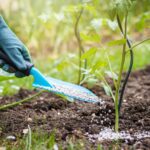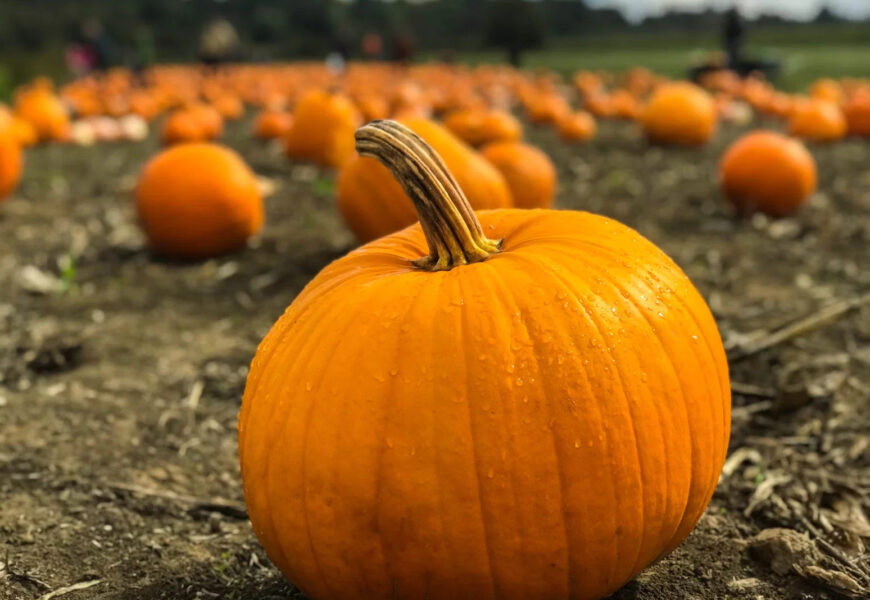
You gave your pumpkins full sun, regular water, and a decent amount of fertilizer. And yet, come October, the harvest still feels like a letdown. The pumpkins are smaller than expected, a little pale, and some dropped off the vine before they ever had a chance. It is a frustrating situation that plays out in countless backyard gardens every single season.
Here is the thing most gardeners never consider: the real problem is not what you did above ground. It is what was — or was not — happening beneath it.
Understanding how deep do pumpkin roots grow is far more important than most growing guides give it credit for. It shapes how the plant handles heat, feeds its fruit, and survives the long stretch of summer. Once you understand the root system properly, decisions about soil prep, watering, spacing, and even fertilizing start to fall into place naturally. This guide walks through all of it — root structure, depth by variety, soil requirements, container realities, common mistakes, and concrete steps you can take this season to grow your healthiest pumpkins yet.
How Deep Do Pumpkin Roots Grow? Here Is the Honest Answer
Most gardeners want a single, clean number. The reality is a little more involved, but the picture is still very clear once you see it.
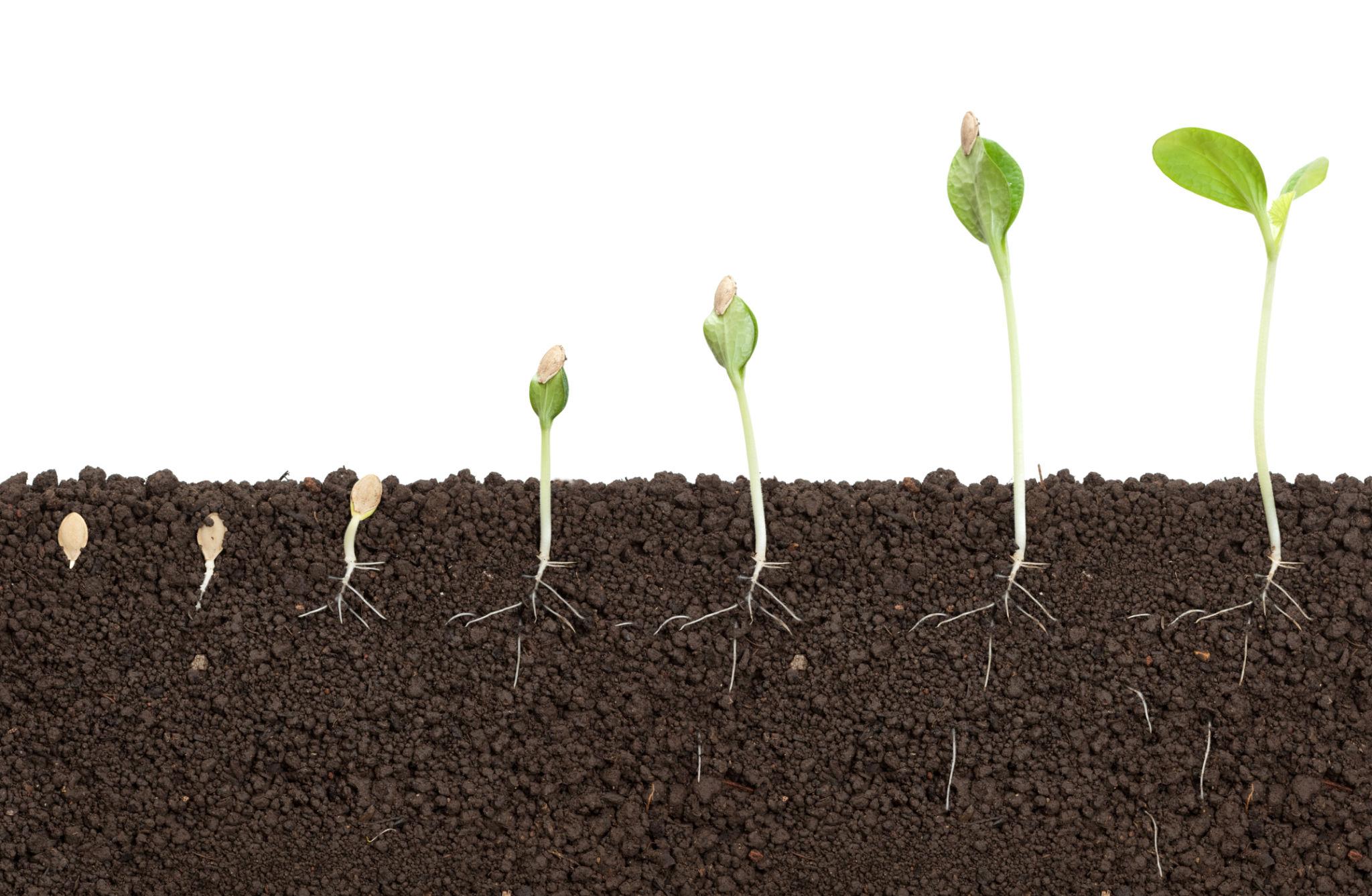
In loose, well-amended, nutrient-rich soil, a pumpkin’s primary taproot reaches 18 to 24 inches straight down. That is deeper than most home gardeners ever actually prepare their soil. The bulk of the active root network, the part doing most of the daily work, lives within the top 12 to 18 inches of soil, where warmth, oxygen, and biology are most concentrated.
But the vertical measurement is only one part of the story. What genuinely surprises most people is the horizontal reach. Pumpkin roots spread 4 to 6 feet outward from the base of the plant. In large-variety pumpkins grown in genuinely good soil, that lateral spread can push even further, sometimes matching or exceeding the full length of the vines you see running across the ground above.
So when someone asks how deep do pumpkin roots grow, the full and honest answer is this: deeper than most gardeners prepare their soil for, and far wider than most people ever account for. Both dimensions shape the health of the plant and the quality of what you harvest.
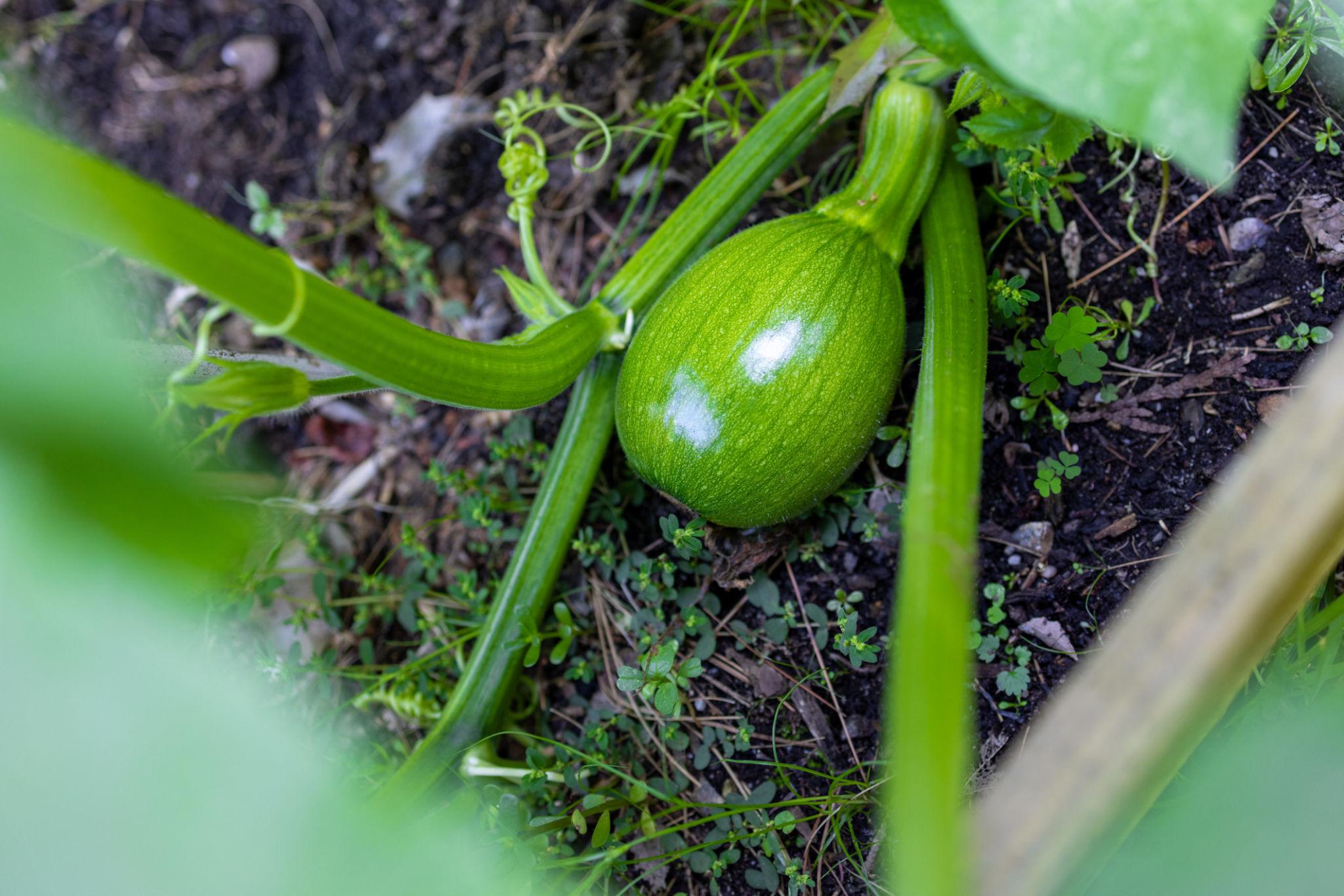
The Three-Part Root System of a Pumpkin Plant
Pumpkin roots are not simply a cord going straight down into the earth. They are a structured, multi-layered system with three distinct zones. Each one plays a specific role, and understanding what each zone does helps you make far better decisions throughout the growing season.
The Primary Taproot
The taproot is the first root to form after a seed germinates. It pushes straight down, anchoring the plant and serving as its lifeline during dry periods. In loose, uncompacted soil with good tilth, a mature taproot can extend well past 24 inches. That depth gives the plant access to cool, moist soil layers that surface roots simply cannot reach during a summer heat wave.
The problem comes when that taproot hits an obstacle. Compacted subsoil, a gravel layer, or hardpan will redirect it sideways rather than letting it continue downward. That deflection is not harmless. The plant may look fine for a while, but its drought tolerance drops and its overall stability weakens in ways that become obvious only when conditions get difficult.
Lateral Feeder Roots
These are the branching, fibrous roots that spread outward from the taproot through the upper portion of the soil. They are responsible for absorbing the majority of the water and nutrients the plant depends on every day. They work quietly and constantly, and they are highly sensitive to physical disturbance. Hoeing near an established pumpkin plant, walking across the root zone repeatedly, or doing any kind of rough cultivation can damage these feeders without leaving any visible sign above ground. The plant simply slows down, and it takes weeks to recover.
Adventitious Roots — The Part Most Gardeners Overlook
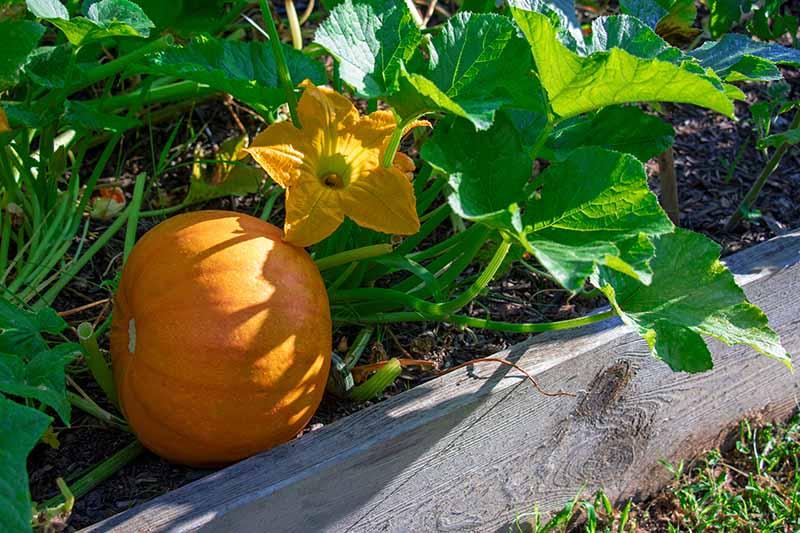
Here is something experienced growers know well that most beginners never encounter in a standard growing guide. Pumpkin vines are capable of sprouting roots directly from their nodes — the points where each leaf connects to the main vine. These adventitious roots, when they make contact with consistently moist soil, function essentially like a second root system. They pull water and nutrients independently, giving the plant a meaningful boost in both vigor and fruit production.
This is not simply a botanical curiosity. It is a technique you can use deliberately. Burying sections of the vine intentionally, a practice sometimes called layering, expands the plant’s total root surface area at no cost and is one of the most effective mid-season interventions available to a home gardener.
Root Depth Varies by Pumpkin Variety — More Than You Think
Variety selection matters more underground than most gardeners realize. Genetics establish what the root system is capable of. Soil conditions determine how close the plant gets to that ceiling.
| Pumpkin Variety | Taproot Depth (Ideal Soil) | Lateral Root Spread | Best Situation |
|---|---|---|---|
| Sugar Pie (small pie) | 12–18 inches | 3–4 feet | Raised beds, smaller gardens |
| Jack-o’-Lantern types | 18–24 inches | 4–6 feet | Standard backyard plots |
| Cinderella (Rouge Vif d’Etampes) | 18–24 inches | 4–5 feet | Needs well-prepared, loose soil |
| Atlantic Giant | 24–36 inches | 6–10 feet | Competition growing, heavily prepped soil |
| Bush varieties (Buskin, Bush Sugar) | 10–14 inches | 2–3 feet | Containers and small spaces |
| Jarrahdale / Blue varieties | 18–22 inches | 4–5 feet | Similar to Jack-o’-Lantern requirements |
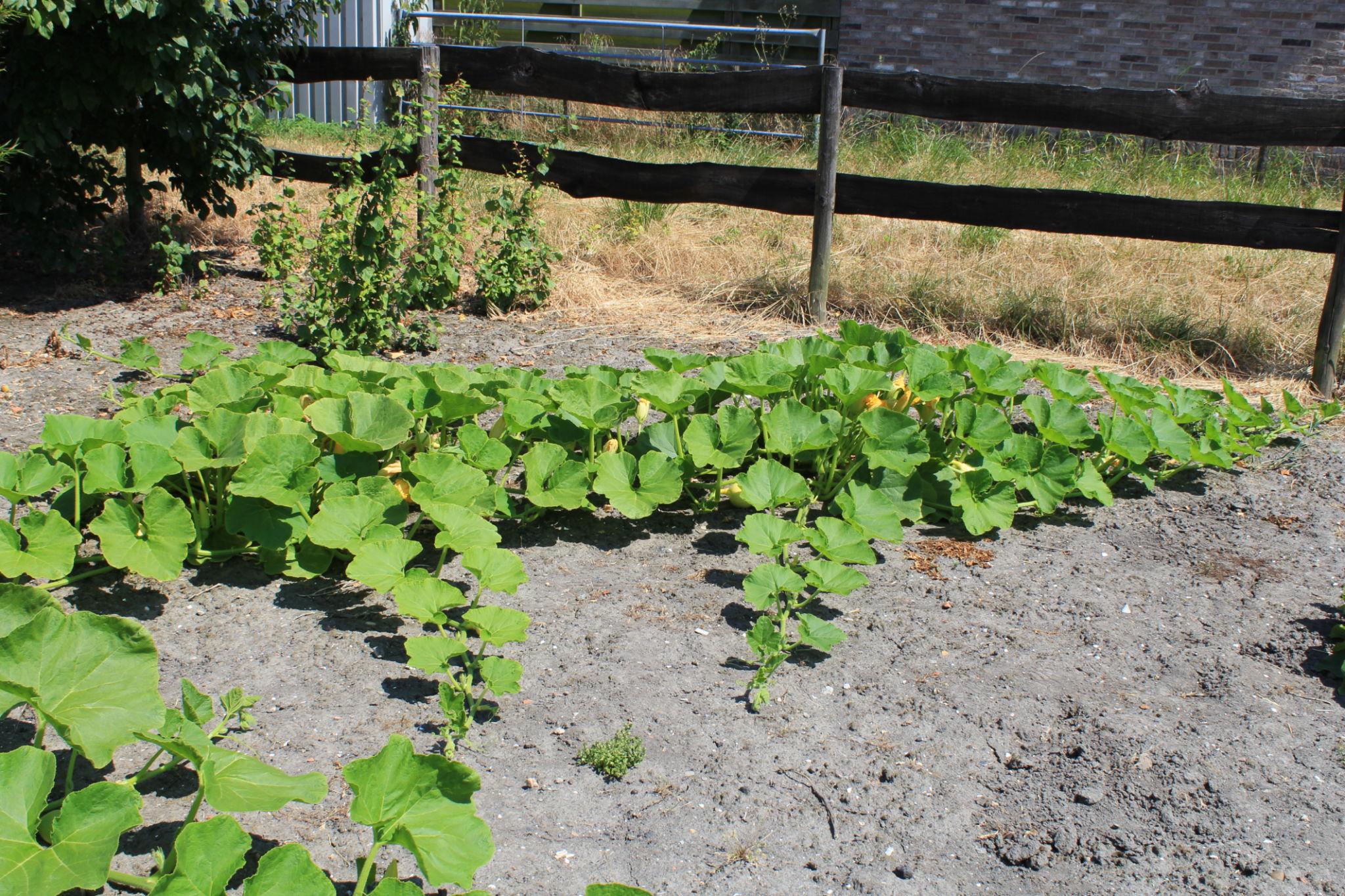
Atlantic Giants sit in a category of their own. These are the varieties grown for state fair competitions and world record attempts, and the question of how deep do pumpkin roots grow becomes genuinely serious territory at that level. Competitive growers routinely prepare their planting areas to a depth of 30 to 36 inches, working in custom soil blends over the course of weeks before planting. The results, pumpkins reaching hundreds of pounds on a single vine, demonstrate more clearly than any textbook how directly the root environment below translates into performance above ground.
Why Root Depth Directly Decides Your Harvest Quality
This is not abstract plant science. Knowing how deep do pumpkin roots grow has very real, very practical consequences for what ends up on your porch in autumn. Here is how root depth connects to four of the most common harvest problems home gardeners face.
Drought Tolerance During Summer Heat
Surface soil dries out fast. During a stretch of summer heat, the top few inches of a garden bed can lose most of their available moisture within 24 to 48 hours. A plant with a healthy, 20-inch taproot has access to deeper, cooler soil that retains moisture far longer. A plant with a shallow or deflected root system has no fallback when the surface dries out. It stresses, and stressed plants drop their fruit set. That early fruit loss is not bad luck. It is a pumpkin root system depth problem.
Nutrient Access and Fruit Development
The rapid growth phase of a large pumpkin is nutritionally demanding in ways that are easy to underestimate. A single developing pumpkin draws heavily on calcium, potassium, and phosphorus over a period of weeks. The larger and more developed the root system, the more soil volume the plant can draw from. Applying fertilizer at the surface does not compensate for a restricted root system that cannot reach or process it efficiently.
Physical Stability Against Wind
Long pumpkin vines catch wind the way a sail catches it. A well-developed taproot holds the entire network of vines in place during summer storms. When the taproot is shallow or deflected, vines shift in wind, connections at the stem can snap, and adventitious roots that were forming along buried sections of vine get torn loose before they establish. Fruit drop often follows.
Disease Resistance
Chronic water stress weakens plant immune response. Shallow-rooted plants experience that stress regularly during any dry period, which makes them significantly more vulnerable to powdery mildew, fungal infections, and vine borer damage. Plants with well-developed root systems running through properly prepared soil maintain better physiological reserves and handle environmental pressure without breaking down as quickly.
Can You Grow Pumpkins in Containers? The Root Depth Problem Explained
Container pumpkin growing comes up regularly, particularly among gardeners working with patios, rooftops, or compact urban spaces. It is a legitimate approach, but it requires an honest understanding of what containers allow and what they do not.
The challenge is straightforward. When you ask how deep do pumpkin roots grow in a container, the answer is only as far as the container permits. The pot sets an absolute ceiling on root development. That ceiling constrains vine length, leaf health, pollination success, and ultimately fruit size, in a chain of consequences that runs from the root zone to the harvest.
Here is what actually works in a container context:
- Minimum container depth: 18 inches for small and bush varieties
- Minimum container volume: 10 to 15 gallons for bush types; 25 gallons or more for standard varieties
- Soil mix: Lightweight, well-draining potting mix with added perlite (roughly 25% perlite by volume is a practical starting point)
- Watering frequency: Often daily during peak summer heat — containers have no deep soil buffer to draw from during dry stretches
- Best varieties: Sugar Pie, Baby Boo, Spooktacular, Buskin, and other purpose-bred compact types
Standard Jack-o’-Lantern varieties and anything larger will produce consistently stressed, underperforming plants in containers, even generously sized ones. Vines and flowers are possible. Full, healthy fruit is not realistic. If containers are your primary growing space and you want real results, purpose-bred bush varieties are the appropriate choice. They are bred specifically to perform within the constraints of a restricted pumpkin root system depth.
How to Prepare Soil for Maximum Pumpkin Root Development
Now that the picture of how deep do pumpkin roots grow is clear, here is a practical preparation framework organized by garden situation.
Standard Backyard Garden Beds
- Till or loosen the soil to a minimum depth of 18 inches
- Work 3 to 4 inches of finished compost throughout that full depth, not just into the top layer
- Incorporate a balanced organic fertilizer with meaningful phosphorus, which is specifically important for early root establishment
- Test pH and amend to land between 6.0 and 6.8 before the first seed goes in
- Allow the soil to settle for one to two weeks before direct sowing or transplanting
Raised Beds
- Build or fill to a minimum of 18 inches — beds shallower than 12 inches are only appropriate for bush varieties
- Whenever possible, position the bed directly over native soil rather than over pavement or a liner, so the taproot can eventually push through the bed floor as the season progresses
- Use a growing mix that combines quality topsoil, compost, and coarse perlite or vermiculite for both drainage and aeration
- Protect the bed structure from compaction by avoiding foot traffic — use a kneeling board or plan permanent paths around the outside of the bed
Heavy Clay or Problem Soils
- Start amendment work the season before planting if your schedule allows
- Incorporate coarse sand and agricultural gypsum alongside compost to break down clay structure at depth
- Build a planting mound or low hill at the growing site — this creates additional effective root depth without requiring you to physically break through compacted subsoil
- Plan for more attentive watering since clay soils can shift between waterlogged and extremely hard quite rapidly compared to well-amended ground
Competition or Large-Variety Growing
- Prepare the soil to a depth of 30 to 36 inches, which is the baseline for serious Atlantic Giant cultivation
- Use a custom growing mix with high organic content, verified pH, and strong drainage characteristics
- Consider building a dedicated planting pit filled with premium growing medium rather than trying to amend existing ground
- Add mycorrhizal inoculants at planting time — these beneficial soil fungi form direct partnerships with plant roots and measurably expand effective nutrient absorption beyond what the root system alone can access
6 Common Mistakes That Silently Damage Pumpkin Root Systems
These errors appear regularly even in well-maintained gardens. All of them are preventable once you understand how the pumpkin root system depth and structure actually function.
1. Planting into shallow, unprepared soil and expecting good results anyway. Soil preparation is not optional finishing work. If the ground has not been loosened and amended to proper depth before planting, harvest potential is capped before the season begins. There is no fertilizer program or watering schedule that compensates for that.
2. Transplanting carelessly or disturbing roots at the point of transplant. Pumpkins are sensitive to root disturbance at every stage of development. Starting seeds in biodegradable peat or coir pots that can be planted directly avoids this problem entirely. When transplanting from plastic cells is unavoidable, move the root ball without disturbing it and water immediately with a dilute phosphorus-focused fertilizer to support recovery.
3. Hoeing or cultivating anywhere near established plants. Lateral feeder roots spread several feet from the plant base and sit just a few inches below the soil surface. Passing a hoe or tiller through that zone cuts roots without leaving any visible above-ground sign. Once vines begin spreading, shift entirely to thick mulch for weed suppression and set cultivation tools aside.
4. Watering lightly and frequently rather than deeply and less often. Shallow, daily watering concentrates moisture in the top few inches of soil. Roots congregate where moisture is available, so frequent light watering conditions the plant to develop a shallow root system over time. Watering deeply two to three times per week encourages roots to grow downward in search of moisture — which is exactly the behavior that builds drought tolerance and long-term plant stability.
5. Allowing foot traffic near or across the root zone. Repeated walking across the soil in the root zone, even at the vine perimeter, compacts the ground around feeder roots gradually over the season. Mark garden paths clearly before planting begins and keep foot traffic entirely away from the pumpkin plant root zone throughout the growing season.
6. Continuing high-nitrogen fertilizer after fruit begins to form. Nitrogen at high levels after fruit set pushes the plant’s energy into foliage at the expense of root maintenance and fruit development. Once fruits are actively growing, transition to a fertilizer formula with reduced nitrogen and elevated potassium and phosphorus. This supports both ongoing root health and the significant nutritional demands of maturing fruit.
A Tale of Two Pumpkin Patches: What Soil Depth Actually Does in Practice
Sometimes the clearest evidence for a principle comes from a direct, side-by-side comparison. This one is worth examining in some detail.
A gardener in Ohio, frustrated by years of mediocre harvests, decided one summer to run a simple personal trial. She took a single variety — a standard Connecticut Field pumpkin — and planted it in two separate areas of her property on the same date, using seeds from the same packet. The first bed had been worked and amended with compost every autumn for four consecutive years. The soil was dark, loose, and genuinely friable to a depth of about 20 inches. The second area was a newer corner of the yard: thinner topsoil, hard subsoil that had never been broken up, and minimal prior amendment.
Both areas received the same watering schedule. The same granular fertilizer. The same variety. Nothing else differed.
By mid-July, the gap was noticeable but not yet dramatic. The amended bed had somewhat larger leaves and darker green color. By mid-August, the difference was impossible to overlook. The amended bed was running vines in multiple directions past 14 feet, carrying four substantial pumpkins in active development. The second area had vines under 6 feet, leaves that had begun yellowing in the lower canopy, and a single small fruit that dropped from the vine before reaching maturity.
Identical seeds, identical inputs, identical season. The only real variable was the soil environment available to the root system. The amended bed gave a clear, confident answer to the question of how deep do pumpkin roots grow — and the harvest reflected it directly. The second area gave a different kind of answer, the kind you measure in disappointment rather than weight.
Frequently Asked Questions
How deep do pumpkin roots grow in a raised bed?
In a raised bed, how deep do pumpkin roots grow is determined almost entirely by the depth of the bed itself. A bed built to 18 inches or more will support standard variety pumpkins well through the full growing season. Beds shallower than 12 inches are realistically only suited to bush-type varieties. One practical consideration worth keeping in mind: positioning the bed directly over native ground rather than a hard surface allows the taproot to eventually push through the bed floor as the season progresses, adding meaningful root depth beyond what the bed structure alone provides.
Do pumpkin roots cause damage to fences, pipes, or underground structures?
No. Pumpkins are annual plants. Their root systems complete their full lifecycle within a single growing season and die back entirely in autumn. They have no woody or persistent root structure of the kind that creates long-term pressure on hard infrastructure. They will follow available moisture, so planting directly over known irrigation line leaks is worth avoiding, but they pose no meaningful structural risk under normal garden conditions.
How deep do pumpkin roots grow compared to tomatoes and cucumbers?
Tomatoes are among the more deeply rooted common vegetables, with taproots capable of reaching 24 to 36 inches in well-prepared soil — comparable to or slightly beyond what pumpkins achieve. Cucumbers are more moderate, with most root activity concentrated in the top 12 inches despite a taproot that can extend further. Pumpkins occupy the moderate-to-deep range overall, with the additional characteristic of significantly wider lateral spread than most other vegetable crops.
Can I plant pumpkins in the same spot as last year?
Rotation is the better practice. Pumpkin roots release biochemical compounds into the soil over the course of the season that can encourage pathogen buildup in concentrated areas over time. Beyond that, the nutrient demand of a full pumpkin crop — particularly for potassium, calcium, and phosphorus — leaves the root zone significantly depleted by harvest. Rotating to a fresh area every two to three years, and rebuilding fertility in rested beds through cover crops or compost, keeps long-term productivity stable.
Why are my pumpkin vines wilting even though I am watering consistently?
Consistent watering that does not resolve wilting is often pointing to a root-level issue rather than a surface moisture problem. The most common causes are root rot from poor drainage and oversaturation, feeder root damage from cultivation or foot traffic that occurred weeks earlier, or vine borer damage that has compromised the main stem at or just above soil level. Checking the base of the main stem for soft tissue, discoloration, or small round entry holes is the most useful first diagnostic step.
How do adventitious roots form, and is it worth encouraging them?
Adventitious roots develop naturally at vine nodes when those nodes remain in sustained contact with moist soil. Yes — encouraging them is genuinely worthwhile and costs nothing. Cover sections of vine with a small mound of soil every few feet along its length, keep those covered sections consistently moist, and new root systems will form within one to two weeks. This is one of the most practical and accessible techniques available for improving plant health in the middle of a growing season without any additional inputs.