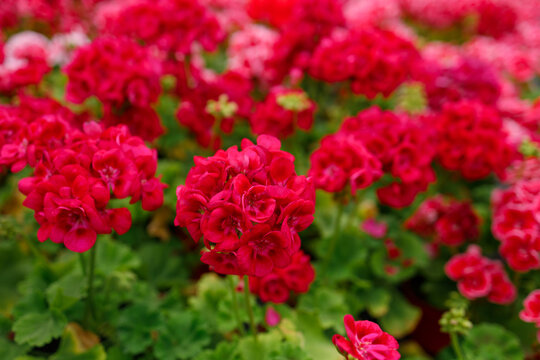
Your geraniums look tired. The leaves have lost their color, the flower clusters are thin, and despite your best efforts with the watering can, nothing seems to be working. If that sounds familiar, you’re not alone — and the answer is almost always rooted in fertilizer. Either the wrong product, the wrong schedule, or simply none at all.
Understanding how to fertilize geraniums properly is what separates a struggling plant from one that genuinely thrives. You don’t need to be a master gardener to get it right. You just need to know what geraniums are actually asking for — and when.
Let’s walk through everything, from the basics to the details most guides skip entirely.
Why Fertilizing Geraniums Actually Matters
Geraniums are not low-maintenance plants when it comes to nutrition. They put significant energy into building those full, rounded flower clusters, and that kind of output requires a steady supply of nutrients. When you learn how to fertilize geraniums correctly, you’re essentially keeping pace with what the plant is already burning through on its own.
What surprises many gardeners is just how quickly potted geraniums deplete their growing medium. Every time you water, a portion of available nutrients washes out through the drainage holes at the bottom of the container. Within a few weeks of planting, most standard potting mixes are functionally depleted. Without a consistent feeding routine, the plant is left to manage on almost nothing.
Garden-grown geraniums face the same gradual decline, just more slowly. The soil loses its nutritional value across a growing season, and even plants that started strong will begin to look worn by late summer if they’ve never been fed. The encouraging part is that once you understand how to fertilize geraniums, correcting the problem is straightforward.
Understanding What Geraniums Need: NPK Basics
Every bag or bottle of fertilizer carries three numbers on its label — something like 10-10-10 or 15-30-15. These numbers represent the percentage of nitrogen (N), phosphorus (P), and potassium (K) in the formula, and for geraniums, each of these nutrients does a very specific job.
- Nitrogen (N) fuels leafy, green growth. It’s essential, but too much of it tips the balance — the plant prioritizes foliage over flowers.
- Phosphorus (P) supports strong root systems and, most importantly for geraniums, drives flower production.
- Potassium (K) builds overall plant resilience — stronger stems, better disease resistance, and the ability to handle heat or drought.
When figuring out how to fertilize geraniums for maximum blooms, the middle number is the one to watch. A higher phosphorus value relative to nitrogen — something like 10-20-10 or 15-30-15 — is what you want to look for during active blooming periods.
The Danger of Too Much Nitrogen
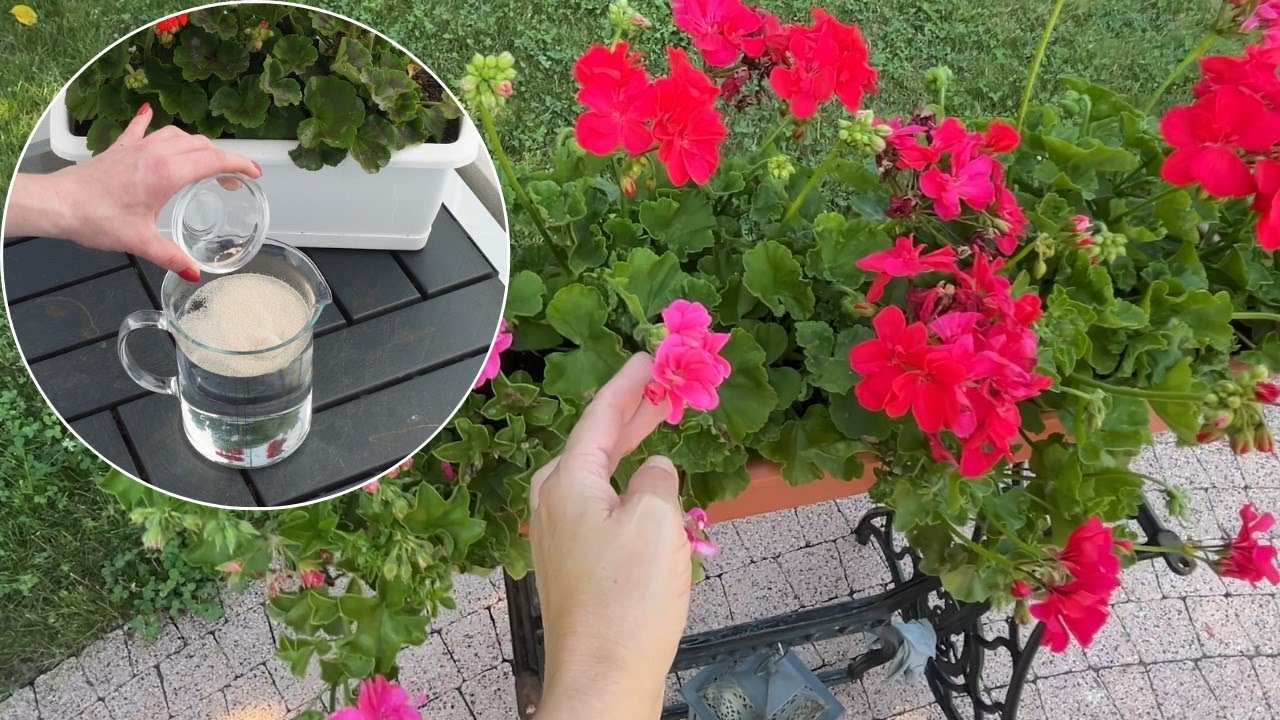
This is one of the most consistent errors I’ve seen among well-intentioned gardeners: reaching for a general-purpose or lawn-type fertilizer and applying it generously. The plants respond, but not the way you hoped. You get lush, dark-green growth and very few flowers.
If your geraniums are full and bushy but barely blooming, nitrogen is the first thing to examine. Part of knowing how to fertilize geraniums is recognizing when to pull back — especially on nitrogen — and redirect that focus toward phosphorus instead.
The Best Fertilizers for Geraniums: A Practical Comparison
| Fertilizer Type | Best For | Pros | Cons |
|---|---|---|---|
| Liquid balanced (10-10-10) | General maintenance | Easy to apply, fast-acting | Needs frequent reapplication |
| High-phosphorus liquid (15-30-15) | Bloom boosting | Excellent for flowering | Can burn if over-applied |
| Slow-release granules | Low-maintenance feeding | Feeds for 3–6 months | Less control over dosage |
| Organic fish emulsion | Natural gardeners | Improves soil health | Strong smell, slow release |
| Water-soluble bloom booster | Container geraniums | Quick uptake, measurable results | Requires consistency |
For anyone working out how to fertilize geraniums in pots, liquid fertilizers tend to be the most practical choice. They absorb quickly into the growing medium, and you have direct control over the concentration at every feeding. Granular slow-release products are a strong option for in-ground pelargoniums, where a lower-maintenance approach makes more sense across a long growing season.
How to Fertilize Geraniums: Step-by-Step
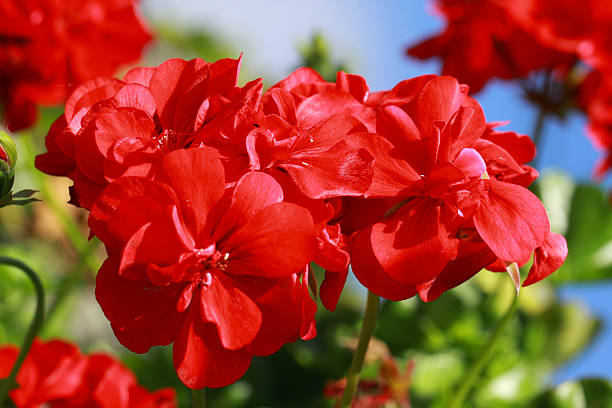
The process itself isn’t complicated, but a few small details make a real difference. Here’s how to fertilize geraniums properly — whether you’re working with window boxes, terracotta pots, raised beds, or open garden borders.
Step 1: Water First, Always
Before any fertilizer touches the soil, water your geraniums thoroughly. Applying feed to dry roots — particularly with liquid formulas — is one of the fastest ways to cause chemical burn. Water either the evening before or at least a couple of hours ahead of feeding to ensure the roots are well-hydrated and the soil is receptive.
Step 2: Mix or Measure Your Fertilizer
With liquid concentrates, follow the label dosage precisely. It’s tempting to add a little extra with the hope of speeding results, but concentrated fertilizer applied above the recommended rate does more harm than good. It pushes the soil chemistry out of balance and stresses the plant. When uncertain, err slightly under — not over.
Step 3: Apply Evenly Around the Root Zone
Work the liquid around the base of the plant in a slow, even pour that covers the full root area. Keep the solution off the foliage where possible, especially in direct afternoon sun — wet leaves in heat can scorch quickly. For granular products, scatter evenly across the surface and water in immediately to begin the absorption process.
Step 4: Note the Date
A simple habit that many gardeners overlook: record the date of each feed. It doesn’t need to be elaborate — a sticky note on the pot or a note in your phone works perfectly. Losing track of the schedule is how over-fertilizing happens. Consistency and spacing are central to how to fertilize geraniums for sustained, season-long performance.
How Often Should You Fertilize Geraniums?
Feeding frequency depends on your setup, the product you’re using, and the time of year. As a general framework for how to fertilize geraniums throughout the growing season:
For container geraniums: A liquid feed every one to two weeks from spring through early fall is ideal. Containers lose nutrients faster, so regular feeding isn’t optional — it’s necessary.
For in-ground geraniums: Every three to four weeks is typically enough. The soil ecosystem works in your favor here, retaining nutrients longer and offering some additional biological support.
During winter or dormancy: Stop feeding entirely. Geraniums in a rest phase don’t need or benefit from additional nutrients, and continued feeding can encourage soft, vulnerable growth during a period when the plant should be conserving its energy.
The real guide to how to fertilize geraniums without overstepping isn’t always a calendar — it’s the plant itself. Fading leaf color suggests more feeding. Dense, dark foliage with minimal blooms suggests less nitrogen. Even, medium-green leaves paired with steady flower production is your signal that the balance is right.
Seasonal Fertilizing: Timing Is Everything
Even the right fertilizer, applied at the wrong time, won’t produce the results you’re working toward. How to fertilize geraniums for best effect is as much about timing as it is about product selection.
Spring: The Kickoff Feed
When new growth begins and temperatures settle into a comfortable range, start feeding. A balanced formula in early spring gives the plant what it needs to establish strong roots and build out its structure before the main bloom season begins.
Early Summer: Shift to Bloom Focus
Once your geraniums are actively growing and the first flowers are opening, transition to a higher-phosphorus formula. This is the stage where knowing how to fertilize geraniums for blooms pays off most visibly — sustained feeding during this window keeps the flowers coming rather than fading out by mid-season.
Midsummer: Stay Consistent
July and August are when many flowering plants start to falter. For geraniums, consistent feeding every one to two weeks for container plants maintains that momentum. This is not the time to ease off.
Late Summer to Fall: Taper Off
As daylight hours shorten and overnight temperatures begin to drop, reduce feeding gradually. One final application in early fall helps the plant build reserves before dormancy, then the feeding schedule pauses entirely until the following spring.
How to Fertilize Geraniums in Pots vs. In the Ground
The approach to how to fertilize geraniums changes meaningfully depending on where they’re growing, and understanding that distinction helps you calibrate your efforts.
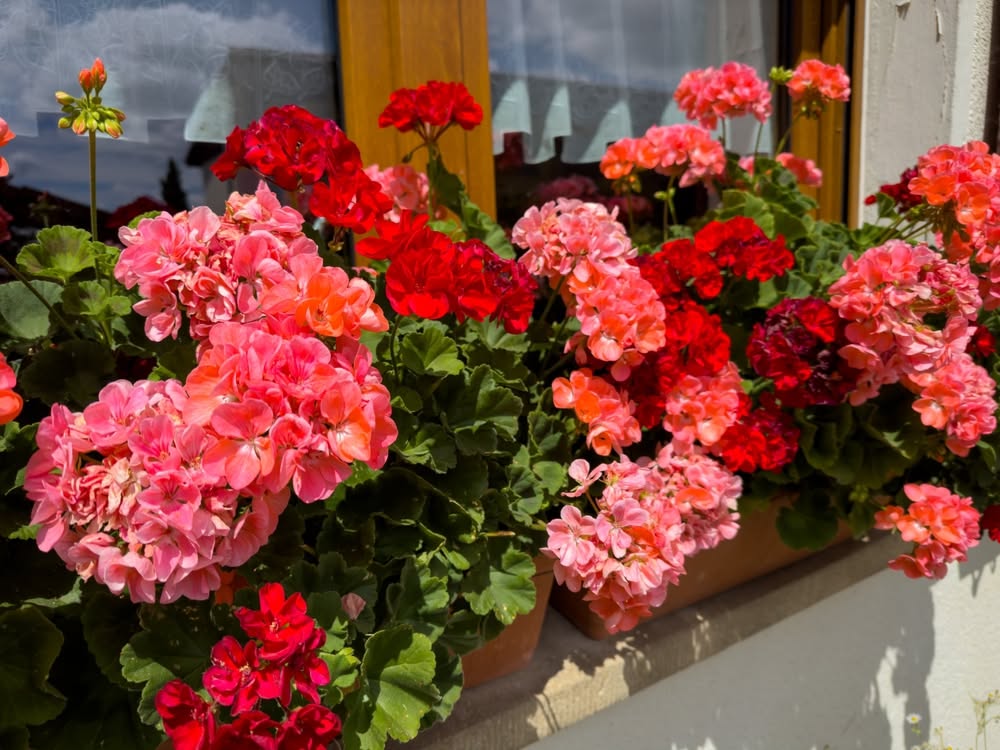
Potted geraniums rely entirely on what you provide. There is no surrounding soil ecosystem, no worm activity, no reservoir of organic matter to draw from. Every nutrient the plant has access to comes from either the original potting mix or what you add to it. This is why learning how to fertilize geraniums in containers is so important — liquid feeding every one to two weeks during the growing season is not excessive; it’s appropriate. When done consistently, container geraniums can be genuinely spectacular, rivaling anything you’d see at a professional nursery or botanical display.
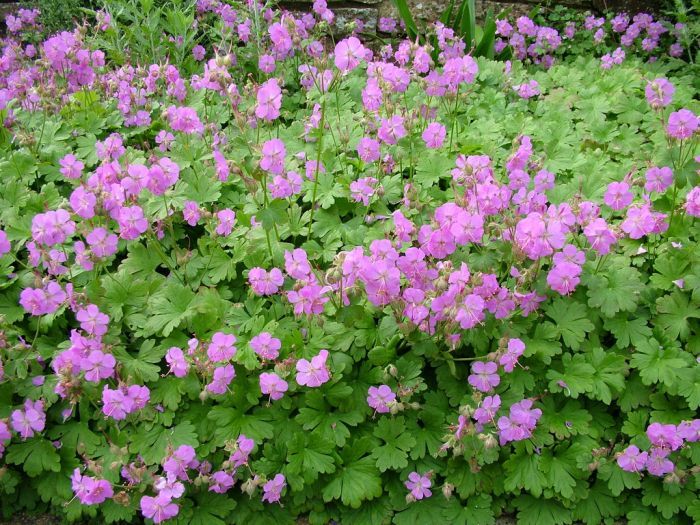
In-ground geraniums have far more support available to them. The soil microbiome, decomposing organic matter, and deeper root access all contribute to nutritional availability. These plants are more forgiving when a feeding is missed. A monthly granular application, with occasional liquid supplements during peak blooming, is generally sufficient to keep them healthy and productive.
Signs Your Geraniums Are Nutrient-Deficient
Part of knowing how to fertilize geraniums well is being able to read what the plant is telling you. Deficiency symptoms are real signals, not abstract possibilities, and catching them early makes correction much easier.
- Pale or yellowing leaves — the most common sign of nitrogen deficiency; increase feeding frequency or switch to a more nitrogen-inclusive formula
- Small or sparse flowers — often a phosphorus shortfall; a geranium bloom booster formula typically addresses this quickly
- Purple-tinged foliage — frequently linked to phosphorus deficiency, particularly in cooler temperatures
- Leggy, weak stems — usually reflects an imbalance between nitrogen and potassium
- Browning leaf margins — this often indicates fertilizer burn rather than deficiency; flush the soil thoroughly with plain water and reduce the concentration of your next application
I’ve seen this transformation happen in a single season. A neighbor had been growing geraniums in her window boxes for years without any real feeding routine, and by mid-July they always looked spent — washed-out foliage, minimal blooms, stems too weak to hold their shape. After committing to a proper understanding of how to fertilize geraniums for better blooms and following through consistently, her window boxes by August were unrecognizable. Full, vibrant clusters where there had been almost nothing.
Common Mistakes When Fertilizing Geraniums
Most gardeners, at some point, make at least one of these mistakes when first working out how to fertilize geraniums. Knowing them in advance saves a full season of disappointment.
Over-fertilizing is more common than under-fertilizing. More product does not produce more flowers. It stresses the plant, disrupts soil chemistry, and can cause lasting root damage.
Selecting the wrong NPK ratio is the other frequent error. A high-nitrogen lawn fertilizer promotes excellent leaf growth at the direct expense of flower production. Your geraniums will look healthy and produce almost no blooms.
Applying to dry soil is an avoidable mistake. Fertilizing dry geraniums, regardless of how careful you are with dosage, risks chemical burn to the root system.
Feeding through dormancy encourages exactly the kind of growth you don’t want in winter — soft, pale, vulnerable to cold and disease.
Ignoring container size means applying a uniform dose across plants that have very different needs. A compact 6-inch pot requires notably less than a large 14-inch planter, and treating them identically leads to inconsistent results.
Frequently Asked Questions
What is the best fertilizer for geraniums?
A water-soluble, high-phosphorus fertilizer — ideally with an NPK ratio around 15-30-15 — is the most effective choice for bloom production. In early spring, a balanced formula such as 10-10-10 helps support overall plant establishment before flowering begins. The best approach to how to fertilize geraniums ultimately depends on whether your current priority is flower production or general plant health.
Can I use coffee grounds on geraniums?
Coffee grounds introduce mild acidity to the soil, which isn’t necessarily what geraniums need — they grow best in a slightly acidic to neutral pH range of around 6.0 to 7.0. Mixed sparingly into compost, they won’t cause harm. But coffee grounds used as a primary feeding strategy is not how to fertilize geraniums effectively and won’t replace what a proper fertilizer program provides.
How do I fertilize geraniums in winter?
The straightforward answer is that you don’t. Geraniums that are overwintered indoors or kept in a cool greenhouse benefit from a complete rest — no fertilizer from October through February. Resume feeding in late winter as new growth signals the plant is coming out of dormancy.
Why are my fertilized geraniums still not blooming?
If you’ve addressed the feeding side of how to fertilize geraniums and the flowers still aren’t appearing, light becomes the next factor to examine. Geraniums require a minimum of six hours of direct sun each day. Low light suppresses flowering even when nutrition is excellent — it is the second most common cause of poor bloom production after feeding issues.
Is slow-release fertilizer good for geraniums?
Yes, particularly for plants growing in garden soil. Slow-release granular fertilizers deliver a steady, measured feed over several months with minimal effort. For container geraniums during active growth, however, supplementing with a liquid fertilizer gives you better dosage control and faster plant response. Both formats can work together as part of a practical, season-long strategy for how to fertilize geraniums across different growing conditions.
Conclusion: Start Feeding, Start Seeing Results
There’s no single formula that works perfectly for every situation, but there is a clear, consistent approach to how to fertilize geraniums that produces reliable results. Feed on a schedule. Choose a product with the right NPK ratio for the current stage of growth. Always water before you apply fertilizer. And pay attention to how the plant responds — it will tell you what it needs.
Geraniums reward this kind of attention generously. A consistent feeding routine, carried through from spring to early fall, is what produces the full, richly colored bloom clusters that make these plants so appealing in the first place. The difference between a geranium that looks acceptable and one that looks genuinely impressive often comes down to this one practice.
Start this week. Choose a high-phosphorus liquid fertilizer, set a repeating reminder on your phone, and commit to the schedule. The results will be visible, and they will be worth it.