Michigan’s last frost can arrive well into late May — and if you haven’t planned for it, an entire season’s worth of careful work can disappear in a single cold night. That’s not meant to discourage you. It’s simply the reality that every gardener serious about planting in Michigan learns to respect, usually after one expensive lesson.
Whether you’re a first-time gardener hoping to grow tomatoes in a small backyard plot, or someone who has spent years navigating the Great Lakes region’s unpredictable weather patterns, planting in Michigan operates by its own set of rules. Follow them, and you’ll find this state offers one of the most genuinely satisfying growing seasons anywhere in the Midwest. Ignore them, and June will greet you with a row of dead seedlings and a lot of unanswered questions.
This guide covers what you actually need to know — from reading your hardiness zone correctly to choosing the right vegetables, flowers, and native plants for Michigan soil. No filler, just practical guidance you can put to use right away.
Understanding Michigan’s Planting Zones and Why They Matter
Before you spend a dollar on seeds or transplants, you need to know your USDA Plant Hardiness Zone. Michigan spans zones 4a through 7a depending on where you live — a range wide enough that gardening advice for one part of the state can be completely wrong for another.
The Upper Peninsula sits in zones 4a to 5b. Winters are long and harsh there, growing seasons are noticeably shorter, and late spring frosts are simply part of the calendar. The Lower Peninsula is considerably more forgiving, covering zones 5b through 7a. The southwestern corner, buffered by Lake Michigan’s moderating influence, enjoys some of the mildest conditions the state has to offer.
This matters enormously for planting in Michigan because what performs beautifully in Grand Haven may fail entirely in Marquette. Knowing your zone gives you a reliable starting point for choosing plants, timing your planting schedule, and making decisions that are grounded in your actual climate rather than generic advice. The USDA’s online zone finder lets you look this up with just a zip code.
Michigan Frost Dates: The Numbers You Can’t Ignore
Average frost dates are among the most useful reference points in gardening, and Michigan’s range from city to city is broader than many people expect. Here’s a practical look at last spring frost dates, first fall frost dates, and approximate growing seasons across major Michigan cities:
| City | Last Spring Frost | First Fall Frost | Growing Season |
|---|---|---|---|
| Detroit | April 15 | October 25 | ~193 days |
| Grand Rapids | May 1 | October 15 | ~167 days |
| Traverse City | May 10 | October 5 | ~148 days |
| Sault Ste. Marie | May 20 | September 25 | ~128 days |
| Lansing | May 5 | October 10 | ~158 days |
| Marquette | May 15 | October 1 | ~138 days |
These are averages, not promises. Michigan weather has a way of surprising even experienced gardeners — a mild stretch in late March can create false confidence, and then a frost in early May sets everything back. Keeping row covers or frost cloth within reach, particularly when planting in Michigan’s northern regions, is a habit worth building early.
The 7 Tips That Actually Make a Difference
1. Start Seeds Indoors — And Do It on Time
Waiting too long to start seeds indoors is one of the most common and most costly mistakes in planting in Michigan. The growing season across most of the state is shorter than gardeners in southern climates are accustomed to, which means indoor seed starting isn’t a nice-to-have — it’s a necessity.
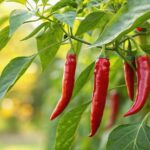
For the Lower Peninsula, tomatoes, peppers, eggplant, and most herbs should be started indoors in late February to mid-March, roughly 6 to 10 weeks before your last frost date. For the Upper Peninsula, where that frost date falls later, starting in early March is more appropriate. Use a purpose-made seed-starting mix rather than regular potting soil, supplement with a grow light if natural window light is limited, and aim to keep soil temperature between 65 and 75 degrees Fahrenheit for reliable germination.
2. Know What Grows Best in Michigan Soil
Soil conditions across Michigan vary considerably by region, and understanding what you’re working with shapes every planting decision you make. The western side of the Lower Peninsula near Lake Michigan tends toward sandy, well-draining soil. The southeastern corner around Detroit and its surrounding counties is often clay-heavy and slow to drain. The Upper Peninsula frequently presents more acidic, nutrient-limited soils with a glacial origin.
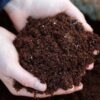
Planting in Michigan successfully often means working with your soil rather than against it. Raised beds filled with quality amended growing mix are one of the most straightforward solutions when native soil is poor. Adding compost, aged manure, or other organic matter improves both drainage and moisture retention — two qualities that matter at very different points in the Michigan growing season.
Vegetables that consistently perform well across most of the state include:
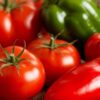
- Tomatoes (with proper support structures and careful timing)
- Zucchini and summer squash
- Beans (both bush and pole varieties)
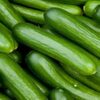
- Cucumbers
- Lettuce, spinach, and kale (outstanding cool-season performers)
- Sweet corn
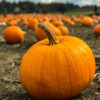
- Pumpkins (Michigan ranks among the leading pumpkin-producing states for good reason)
- Brassicas — broccoli, cabbage, and cauliflower in particular
3. Take Advantage of Cool-Season Windows
Many gardeners new to planting in Michigan assume it’s a warm-weather-only endeavor. It isn’t — and recognizing that opens up a significantly more productive season.
Michigan actually offers two distinct cool-season windows: early spring and late summer into fall. Spinach, lettuce, radishes, peas, and kale can go directly into the ground as soon as the soil is workable in March or April. These crops are built for cooler temperatures and will bolt — meaning they go to seed — once summer heat sets in. When that happens, clear the bed and replant in late July or early August for a second harvest before the first fall frost arrives.
Approached this way, a single Michigan garden year can yield three productive growing windows. Many gardeners leave this opportunity sitting on the table, which is a genuine shame given how straightforward the cool-season crops are to grow.
4. Use Companion Planting to Boost Productivity
Companion planting tends to get dismissed as old-fashioned folk wisdom, but gardeners who actually practice it will tell you the results are hard to argue with. The Three Sisters combination — corn, beans, and squash planted together — is perhaps the best-known example, and it translates exceptionally well to planting in Michigan’s summer garden.
The arrangement works through genuine ecological logic. Corn provides the vertical support structure beans need to climb. Beans fix atmospheric nitrogen into the soil, feeding both the corn and squash over the season. Squash spreads its broad leaves across the ground, suppressing weeds while holding soil moisture in place. It’s a system that Indigenous communities across the Great Lakes region refined over many generations, and it holds up in modern gardens just as well.
Other pairings worth trying in a Michigan vegetable garden:
- Tomatoes + basil: Basil is thought to reduce aphid and whitefly pressure on nearby tomatoes
- Carrots + onions: The scent of onions interferes with carrot fly detection
- Marigolds + nearly any vegetable: Marigolds discourage nematodes and a range of common pest insects
5. Pay Attention to Microclimates on Your Property
Look carefully at your yard over the course of a few weeks in early spring, and you’ll likely start to notice patterns. One area warms up noticeably faster than others. A particular bed dries out more quickly after rain. A low-lying corner stays wet and cool well after everything else has dried. These are microclimates — localized variations in temperature, moisture, and light that can meaningfully affect your results.
Planting in Michigan with microclimates in mind is a practical advantage that costs nothing. South-facing slopes receive more direct sunlight and warm up earlier in the season. Beds positioned near brick walls or concrete surfaces absorb and radiate heat, extending warmth into the evening and into fall. Low areas, by contrast, collect cold air drainage and are more exposed to late frosts. Placing heat-sensitive crops like tomatoes, basil, and peppers in your warmest microclimate can extend your effective growing season by a week or more on either end.
6. Choose Michigan Native Plants for Low-Maintenance Beauty
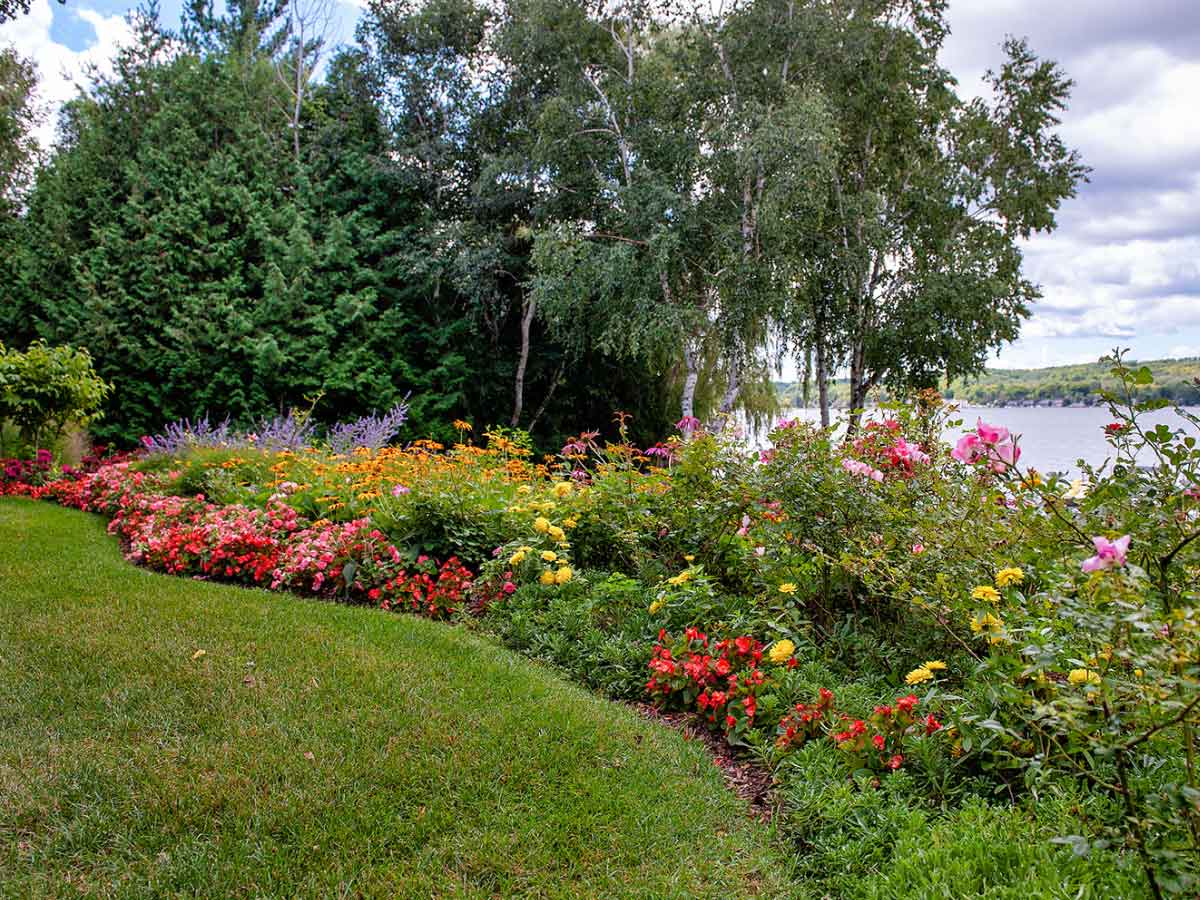
If your goals extend beyond the vegetable garden into broader landscape planting, native plants are one of the most sensible choices available to you. Michigan native plants have developed over thousands of years in this specific climate. They’re adapted to local soils, typical rainfall patterns, cold winters, and the pest populations that exist here. Once established, they generally require far less maintenance than non-native ornamentals.
Excellent native plant options for planting in Michigan landscapes include:
- Wild columbine (Aquilegia canadensis) — Thrives in partially shaded areas and blooms reliably each spring
- Purple coneflower (Echinacea purpurea) — Drought-tolerant once established and highly attractive to pollinators
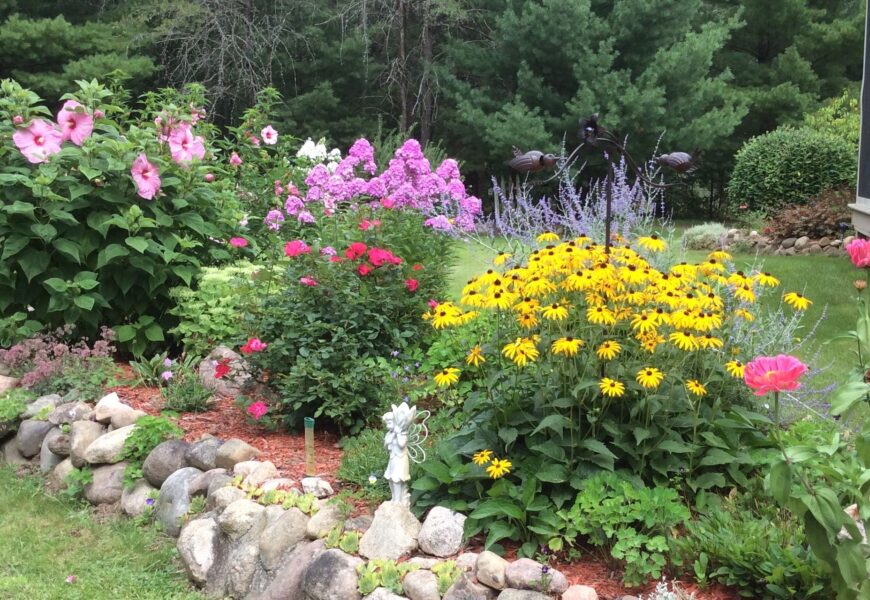
- Black-eyed Susan (Rudbeckia hirta) — Resilient, bright, and largely resistant to deer pressure
- Michigan lily (Lilium michiganense) — The state’s own native wildflower with striking orange blooms
- Serviceberry (Amelanchier) — A refined small tree with spring flowers and edible fruit attractive to birds
- Switchgrass (Panicum virgatum) — An ornamental grass with strong visual presence across all four seasons
Beyond aesthetics, these plants actively support pollinators, birds, and beneficial insects — strengthening the broader ecosystem that your entire garden depends on.
7. Build Your Soil Every Single Year
Of all the tips in this guide, this one may be the least exciting to read and the most important to follow. Every seasoned gardener who has been planting in Michigan for multiple seasons will say some version of the same thing: sustainable productivity starts and ends with the soil.
Michigan winters are genuinely hard on soil structure. Repeated freeze-thaw cycles, prolonged snow cover, and heavy spring runoff all degrade what you built the previous year. Applying 2 to 3 inches of finished compost across your beds each spring, before planting begins, is the single most consistent investment you can make. It improves drainage in clay-based soils, builds water retention in sandy soils, and nourishes the microbial activity that converts raw nutrients into forms your plants can actually absorb.
Starting a compost system doesn’t require much space or effort. Kitchen scraps, garden waste, and dried autumn leaves break down into usable soil amendment within 3 to 6 months. The input cost is effectively zero, and the long-term benefit to your garden is difficult to overstate.
Planting in Michigan: A Seasonal Planting Calendar
Working with a seasonal framework is how experienced Michigan gardeners stay organized and productive throughout the year. Here’s a practical breakdown of what should happen and when:
Late February – March: Begin tomatoes, peppers, and eggplant indoors under grow lights. Assess last year’s soil and place seed orders before popular varieties sell out.
April: Direct sow peas, spinach, lettuce, radishes, and kale into outdoor beds. Transplant cold-tolerant seedlings once nighttime temperatures stabilize.
May (after last frost): Move tomatoes, peppers, squash, cucumbers, and basil outdoors. Direct sow beans and corn once soil temperatures reach appropriate levels.
June – August: Focus on consistent maintenance, harvesting, and succession planting to keep beds productive. Stay ahead of pest pressure with weekly monitoring.
Late July – August: Begin a second round of cool-season crops for fall harvest. Lettuce, spinach, kale, and radishes are all reliable choices.
September – October: Harvest fall crops before frost arrives, plant garlic cloves for next season, and begin preparing beds for winter dormancy.
Common Mistakes That Hurt Michigan Gardens
Once you understand the rhythm of the Michigan growing season, planting in Michigan becomes considerably more forgiving. But a handful of recurring mistakes cause consistent problems even for gardeners with good intentions.
Moving warm-season crops outdoors too early is the most frequent error. A warm week in late April creates the impression that frost season is finished — it rarely is. Soil temperature deserves equal attention: tomatoes specifically should not be transplanted until the soil holds a consistent 60 degrees Fahrenheit at root depth.
Overwatering is another problem, particularly in the clay-dominant soils common across southeastern Michigan. The impulse to water frequently is understandable, but roots need oxygen as much as moisture. Water deeply and less often, and take the time to check actual soil moisture at root depth before watering again.
Pest management that begins too late is also a recurring issue for planting in Michigan. Japanese beetles, squash vine borers, and aphids are genuine threats that multiply rapidly once established. Weekly plant inspections, hand removal when populations are small, and early-season row covers as a physical barrier all help keep problems manageable before they become serious.
Frequently Asked Questions
When should I start planting in Michigan?
For the majority of the Lower Peninsula, late May — after your confirmed last frost date — is the safe starting point for warm-season crops outdoors. Cool-season vegetables can go in much earlier, often in April and sometimes in late March in the southern parts of the state.
What vegetables grow best in Michigan?
Tomatoes, zucchini, beans, cucumbers, sweet corn, and brassicas perform consistently well across most of Michigan. Pumpkins are a particularly strong choice given the state’s climate and soil conditions.
Can I grow fruit trees in Michigan?
Yes, and Michigan is actually one of the leading fruit-producing states in the country. Apples, tart and sweet cherries, peaches, and blueberries all grow with exceptional quality, particularly along the western side of the Lower Peninsula where Lake Michigan moderates winter temperatures and reduces late frost risk.
What is the hardiness zone for most of Michigan?
The majority of Michigan falls within zones 5a through 6b. The Upper Peninsula runs colder at zones 4a through 5b, while the southwestern corner can reach zone 7a in the most favorable locations.
Is Michigan good for gardening?
With thoughtful preparation, yes. Planting in Michigan offers a genuinely rewarding experience for gardeners who take the time to understand the climate. Soils are fertile in many regions, rainfall is generally sufficient across the growing season, and the variety of what can be grown — from cool-season greens to warm-season vegetables to orchard fruit — is broader than most people expect.
Conclusion
Planting in Michigan consistently rewards gardeners who take the time to understand the climate on its own terms rather than trying to work around it. Knowing your hardiness zone, respecting your local frost dates, improving your soil each year, and making full use of both the cool-season and warm-season growing windows — these are the habits that separate productive Michigan gardens from frustrating ones.
If you’re just getting started, begin with a small, focused plot. Choose three or four vegetables your household will actually eat, prepare the soil properly before planting anything, and pay close attention to what performs well in your specific location. Planting in Michigan is a practice that builds on itself — each season adds to your understanding of your land, your microclimate, and your timing.
The most useful action you can take today is straightforward: look up the average last frost date for your specific city, mark it on your calendar, and count backward to determine when your indoor seed starting should begin. That one step, done in advance, sets the foundation for everything else the season will bring.