You do everything right. You plant your pepper seeds carefully, water them consistently, and check the pot every morning with genuine hope. Two weeks pass. Then three. Still nothing. Just a container of quiet soil and a growing sense that something went wrong somewhere.
The frustrating part? The seeds were probably fine. The method was the problem.
Pepper seeds are among the most temperamental seeds a home grower can work with. They have specific temperature needs, specific moisture requirements, and very little patience for guesswork. But once you learn to germinate pepper seeds paper towel method, that guesswork disappears almost entirely — and results that once felt unreliable become surprisingly consistent.
Why the Paper Towel Method Is a Game-Changer for Pepper Seeds
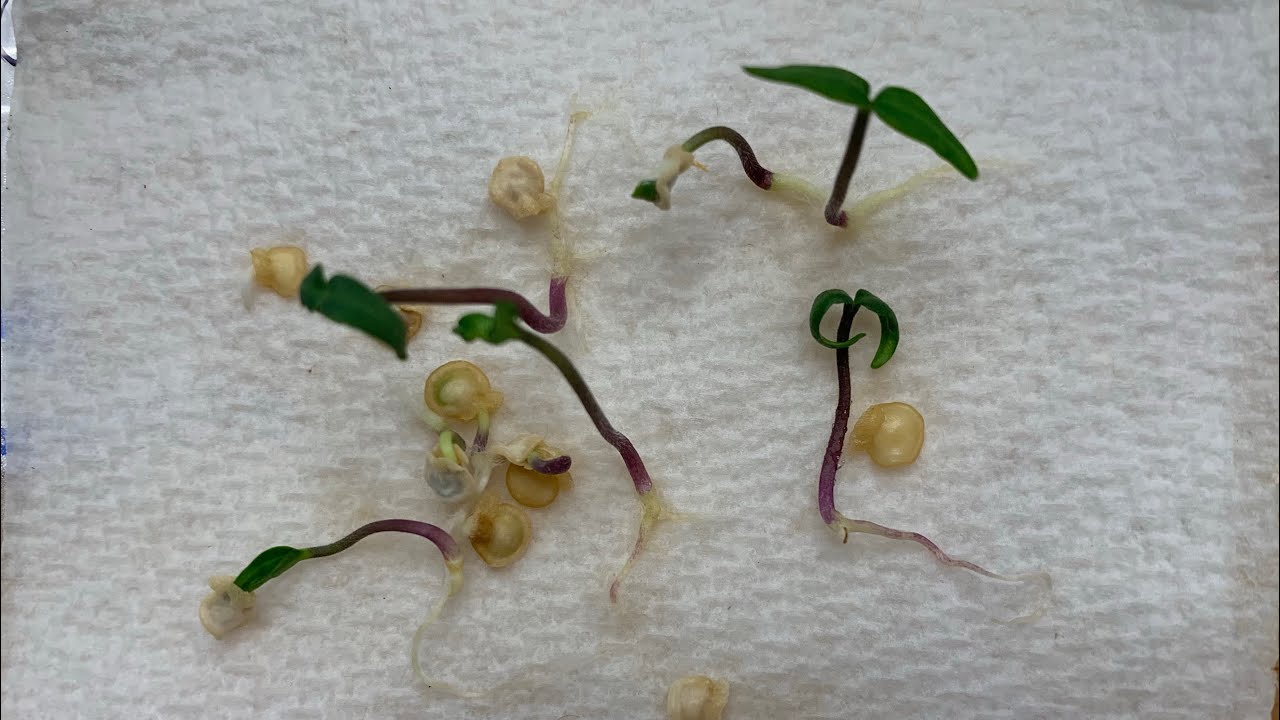
When you germinate pepper seeds paper towel style, something shifts in how the whole process feels. You’re no longer waiting blindly. You can see the paper towel. You can feel whether it’s too dry or too wet. You can monitor every seed individually and notice the exact moment a root tip begins to emerge.
That kind of visibility changes everything — especially for newer growers who are still learning what healthy germination looks like.
Pepper seeds, whether you’re working with sweet bell peppers, jalapeños, habaneros, or ghost peppers, all share the same core challenge. They need consistent warmth and steady moisture to break dormancy. Soil, even good quality soil, introduces variables that are difficult to control. It can dry out unevenly. It can hold too much water in certain spots. pH levels fluctuate. A damp paper towel sealed inside a zip-lock bag removes most of those variables and creates a stable, enclosed environment where seeds can focus entirely on sprouting.
Experienced growers reach for this method repeatedly because it delivers faster results, reduces seed waste, and allows you to identify non-viable seeds before investing weeks into a seedling tray that was never going to produce.
What You Need Before You Start
One of the most appealing things about learning to germinate pepper seeds paper towel method is that the supply list is almost comically short. Most of what you need is already somewhere in your home.
- Fresh pepper seeds (older seeds carry lower viability — check your dates)
- Plain white paper towels, unscented and standard thickness
- Zip-lock bags in quart or sandwich size
- Room temperature or slightly warm water
- A consistently warm location
- A waterproof marker for labeling each bag
Here is a detail that often gets overlooked: paper towel thickness actually matters. Thin, basic paper towels hold the right amount of moisture — enough to keep seeds hydrated without creating pooling water that invites mold. Quilted or extra-thick varieties retain too much water and can create conditions that suffocate seeds rather than support them. Keep it simple and keep it plain.
7 Steps to Successfully Germinate Pepper Seeds Paper Towel Method
Step 1: Pre-Soak Your Seeds (Optional but Helpful)
Before you set up your paper towel, consider giving your pepper seeds an overnight soak in warm water for eight to twelve hours. Soaking softens the outer seed coat and allows moisture to reach the embryo inside more quickly, which can shave several days off your germination timeline.
This step carries the most benefit for thick-coated varieties like ghost peppers, Carolina Reapers, and other super-hot cultivars. Their seed coats are noticeably denser than common varieties, and a good soak gives those seeds a meaningful head start before the paper towel phase begins.
Step 2: Dampen Your Paper Towel Correctly
Wet your paper towel under running water, then wring it out firmly until it no longer drips. The target texture is similar to a lightly squeezed sponge — uniformly moist but not saturated. When you press it, no water should run out. When you look at it, it should appear damp throughout rather than wet in patches.
This single step, when done correctly, does more to protect your seeds than almost anything else. To germinate pepper seeds paper towel method successfully, moisture balance is the foundation everything else is built on. Too little moisture and seeds stall. Too much and mold takes hold quickly.
Step 3: Place Seeds on Half the Towel
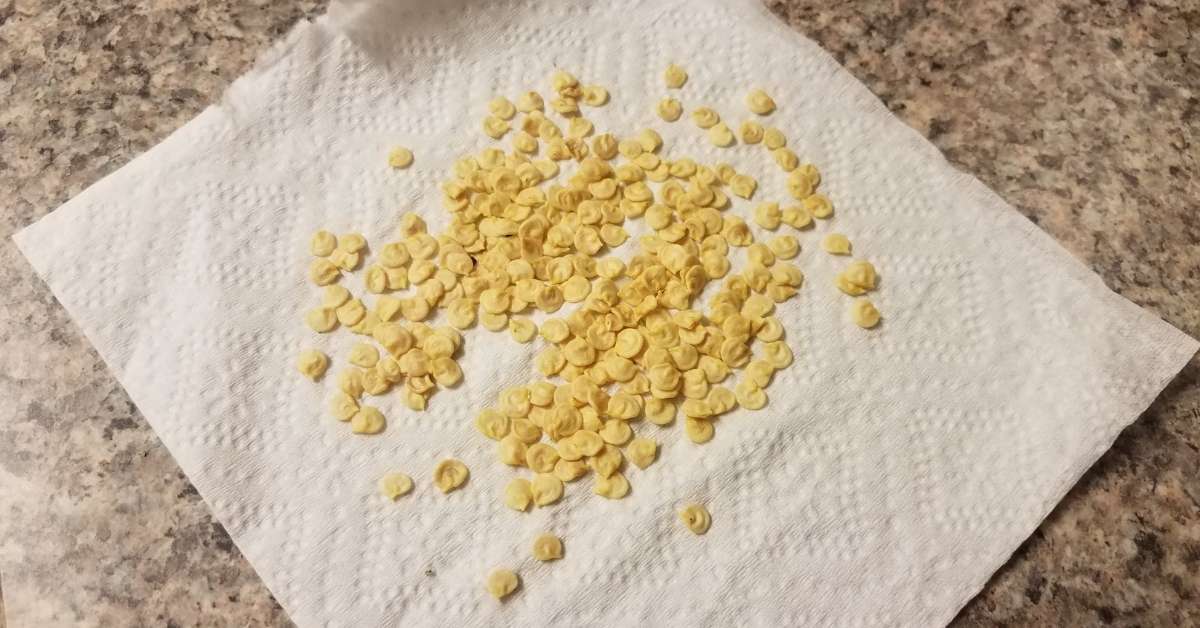
Lay your damp paper towel on a flat surface. Arrange your pepper seeds across one half of it, leaving at least half an inch of space between each seed. Then fold the other half over to cover them completely. The seeds are now sandwiched between two even layers of moist paper.
Spacing matters here more than it might seem. Seeds placed too close together will produce roots that grow into each other during germination. Separating tangled roots without damaging them is difficult, and the stress can set back a seedling’s early development.
Step 4: Seal Inside a Zip-Lock Bag
Slide the folded paper towel into your zip-lock bag carefully, keeping it as flat as possible. Seal the bag almost completely, leaving a small gap to allow minimal air circulation, or seal it fully if you prefer a more humid environment. Write the pepper variety and the date on the outside of the bag with your marker.
This sealed bag becomes a small, self-contained growing chamber. When you germinate pepper seeds paper towel inside it, you’re essentially replicating the enclosed, humid conditions of a professional seed starter without any specialized equipment. And unlike a covered seedling tray, you can see every seed at a glance without disturbing anything.
Step 5: Find the Right Heat Source
Temperature is where most home growers quietly lose the battle with pepper seed germination, often without realizing it. Pepper seeds need consistent warmth in the range of 80°F to 90°F, or 27°C to 32°C, to germinate reliably. Most household rooms run cooler than this, particularly in early spring when gardeners are eager to get started.
Some heat sources that work well in a home setting:
- Seedling heat mat — the most reliable option; consistent temperature, often with adjustable settings
- Top of the refrigerator — the warmth generated by the motor, particularly at the back, can be surprisingly consistent
- Near a cable box, modem, or router — electronic devices that run continuously tend to radiate steady, gentle warmth
- A cabinet positioned above the refrigerator — captures rising warm air reliably
One important note: avoid placing your bag in direct sunlight. Light plays no role in germination at this stage. To germinate pepper seeds paper towel method effectively, warmth is the priority, not brightness.
Step 6: Check Daily and Maintain Moisture
Open your bag every twenty-four hours and assess two things: whether any root tips have appeared, and whether the paper towel still feels adequately moist. If it has dried out even slightly, open the bag, mist the towel lightly with water, and reseal.
Under steady, warm conditions, here is a realistic timeline for what to expect:
| Pepper Type | Typical Germination Time (Paper Towel Method) |
|---|---|
| Sweet Bell Pepper | 7–14 days |
| Jalapeño | 7–10 days |
| Cayenne | 7–12 days |
| Habanero | 10–21 days |
| Ghost Pepper | 14–28 days |
| Carolina Reaper | 21–35 days |
Super-hot varieties ask for patience. As long as seeds remain firm and show no signs of mold or shriveling, they are likely still working through the process. Resist the impulse to give up too early with these varieties.
Step 7: Transfer Sprouted Seeds to Soil
When a root tip — called the radicle — reaches approximately one quarter to one half of an inch in length, the seed is ready to move into soil. This transfer needs to be done gently. Use clean tweezers or the very tips of your fingers, and handle each seed as minimally as possible. The root at this stage is delicate and breaks easily.
Place each sprouted seed root-down into individual cells or small seedling pots filled with a light seed starting mix. Cover with roughly one quarter inch of soil, water gently, and return them to a warm environment. Cotyledons, the first two seed leaves, will typically push through the soil within a few days.
Common Mistakes That Kill Pepper Seed Germination
Even careful growers make errors. When you germinate pepper seeds paper towel and results fall short, the problem almost always traces back to one of the following:
Excess moisture in the paper towel leads to mold growth, which spreads quickly and can affect neighboring seeds. If you notice fuzzy white growth, remove the affected seeds immediately, rinse the remaining ones gently under cool water, and transfer them to a fresh, properly damp towel.
Insufficient warmth is the single most common reason pepper seeds do not germinate. If your germination space stays below 75°F consistently, a seedling heat mat is worth the modest investment.
Seeds that are past their prime will always underperform. Pepper seeds held for two to three years or more lose viability gradually. Whenever possible, use seeds from the current or most recent season, sourced from a trusted supplier.
Delayed transplanting creates its own problems. Once the radicle extends beyond one inch, it becomes increasingly fragile and prone to snapping during handling. Move sprouted seeds to soil while the root is still short.
Scented or treated paper towels can contain chemical additives that interfere with germination. This is an easy variable to control — always use plain, white, unscented paper towels.
Does the Paper Towel Method Actually Work Better Than Soil?
The comparison is worth examining with a real example. A home grower working with a batch of ghost pepper seeds split them into two equal groups. One group went directly into seedling trays with seed starting mix. The other group was set up to germinate pepper seeds paper towel style under identical temperature conditions.
The soil group produced its first visible sprout on day twenty-two. The paper towel group showed root tips beginning on day fourteen — a full eight days earlier — and ultimately achieved a higher overall germination percentage from the same seed batch.
This kind of outcome is consistent with what many growers report. When you germinate pepper seeds paper towel method, the controlled environment reduces the factors that work against germination in soil. Non-viable seeds are identified early, and viable seeds have a clear, unobstructed path to sprouting without competing with soil microbes or moisture imbalance.
How to Boost Your Germination Rate Even Further
If you want to push your results even further when you germinate pepper seeds paper towel style, a few additional measures are worth considering.
Chamomile tea as a soaking liquid — cooled chamomile tea has naturally occurring antifungal compounds. Using it for the pre-soak phase instead of plain water can reduce the likelihood of mold forming later in the process.
Humidity domes for organization — when working with multiple pepper varieties simultaneously, placing your labeled bags inside a tray covered with a clear humidity dome keeps everything in one place, at consistent temperature, and easy to monitor.
Seed scarification for tough coats — lightly drawing a thick-coated seed across fine-grit sandpaper a few times before soaking can create small surface abrasions that allow water to penetrate the seed coat more efficiently.
Combining bottom heat with air movement — a heat mat paired with a small fan positioned nearby discourages the stagnant, humid air that mold thrives in, while still maintaining the soil temperature pepper seeds require.
FAQs About Germinating Pepper Seeds with Paper Towel
How long does it take to germinate pepper seeds paper towel method?
Standard varieties like jalapeños and cayenne typically show root tips within seven to fourteen days under proper conditions. Super-hot varieties such as ghost peppers and Carolina Reapers may take three to five weeks. Maintaining consistent warmth throughout is the single biggest factor in keeping that timeline on track.
Can I germinate any type of pepper seed using paper towel?
Yes. The method applies across all Capsicum species, including annuum, chinense, frutescens, baccatum, and pubescens. It is particularly well-suited for rare, heirloom, or expensive seeds where maximizing germination success before committing to soil makes practical sense.
What if my paper towel seeds aren’t sprouting after 3 weeks?
Start by reassessing temperature. If warmth is confirmed, test seed viability by placing seeds in a glass of water. Seeds that sink are generally viable; those that float may be hollow or non-viable. A firm seed that resists gentle pressure between two fingers is also a reasonable indicator of viability.
Is it okay to germinate pepper seeds paper towel in the fridge?
No. Refrigerator temperatures are far too low for pepper seed germination. Peppers are warm-season crops with tropical origins and require heat to break dormancy. Cold stratification, which benefits some vegetable and flower seeds, is counterproductive for Capsicum species entirely.
How do I prevent mold when germinating seeds in paper towels?
Manage moisture carefully, allow a small amount of air exchange in your sealed bag, and check your seeds every day. If mold appears, act quickly — remove affected seeds, rinse the others lightly, and move to a fresh towel. A small amount of 3% hydrogen peroxide added to your dampening water can also help suppress fungal growth before it begins.
Conclusion: Start Small, Grow Big
There is something quietly satisfying about watching a pepper seed crack open and send out its first root. It is a small moment, but it signals the beginning of everything that follows — the seedling, the plant, the fruit, the harvest. When you germinate pepper seeds paper towel method, you give each seed the conditions it genuinely needs to reach that moment.
No guesswork. No waiting on soil that may or may not be cooperating. Just a controlled, visible, manageable process that experienced growers return to season after season for good reason.
Your next step is straightforward. Find a plain paper towel. Dampen it correctly, place your seeds, seal them in a bag, and set that bag somewhere consistently warm. Check it tomorrow. The process is already underway — and this time, you will be able to see exactly how it unfolds.