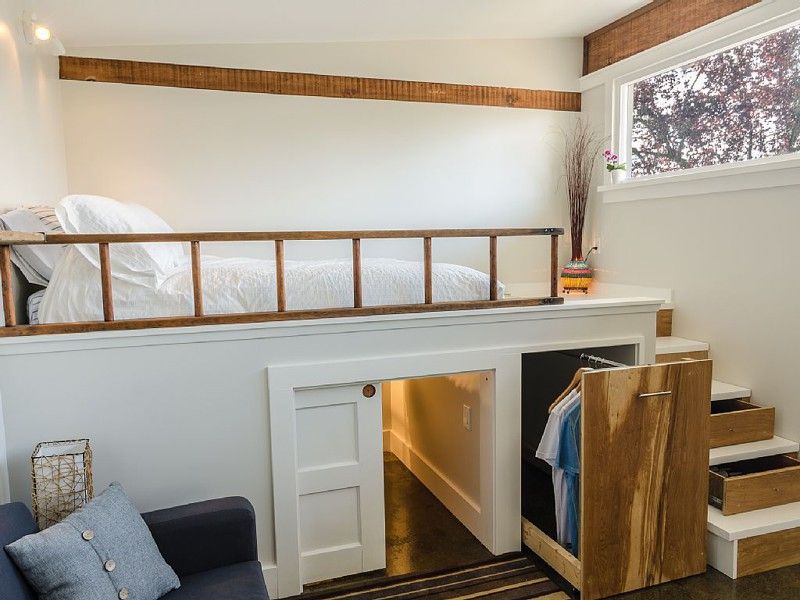
Your first week in a new apartment often feels full of possibility. Then the boxes open, and reality sets in — coats draped over chairs, shoes scattered near the door, and that one drawer that somehow holds everything except what you actually need. If that picture feels familiar, you’re not alone.
Here’s the truth: living in a small apartment is rarely the actual problem. What makes it feel overwhelming is the absence of a real system. Tiny apartment storage isn’t some grand renovation project. It’s a series of smart, deliberate choices that, once in place, make your home feel like it finally works with you rather than against you. This guide walks through 17 ideas that are practical, affordable, and proven to make a real difference — no matter how small your space is.
Why Tiny Apartment Storage Is Harder Than It Looks
Most storage advice you find online is written for homes with a bit of breathing room — a garage, a basement, maybe a walk-in closet. For those of us living in compact city apartments, that advice often falls flat. In places like New York, London, or Lahore, living comfortably under 500 square feet isn’t unusual. It’s just life. And generic tips written for larger spaces don’t translate well.
What makes tiny apartment storage genuinely difficult is that your space has to serve multiple roles at once. Your bedroom moonlights as a home office. Your living room becomes a guest room when needed. Your kitchen has no pantry, so every cabinet has to work overtime. The challenge isn’t just square footage — it’s the number of things one small space is expected to do.
The answer to this isn’t aggressive minimalism or getting rid of things you actually use. It’s intentional organization — building systems that match how you actually live.
The 3 Golden Rules Before You Buy Anything
It’s tempting to head straight to a home store and start filling a cart. But before you spend a single rupee or dollar on storage products, three foundational rules are worth keeping in mind. They’ll save you from buying things that don’t actually solve your problem.
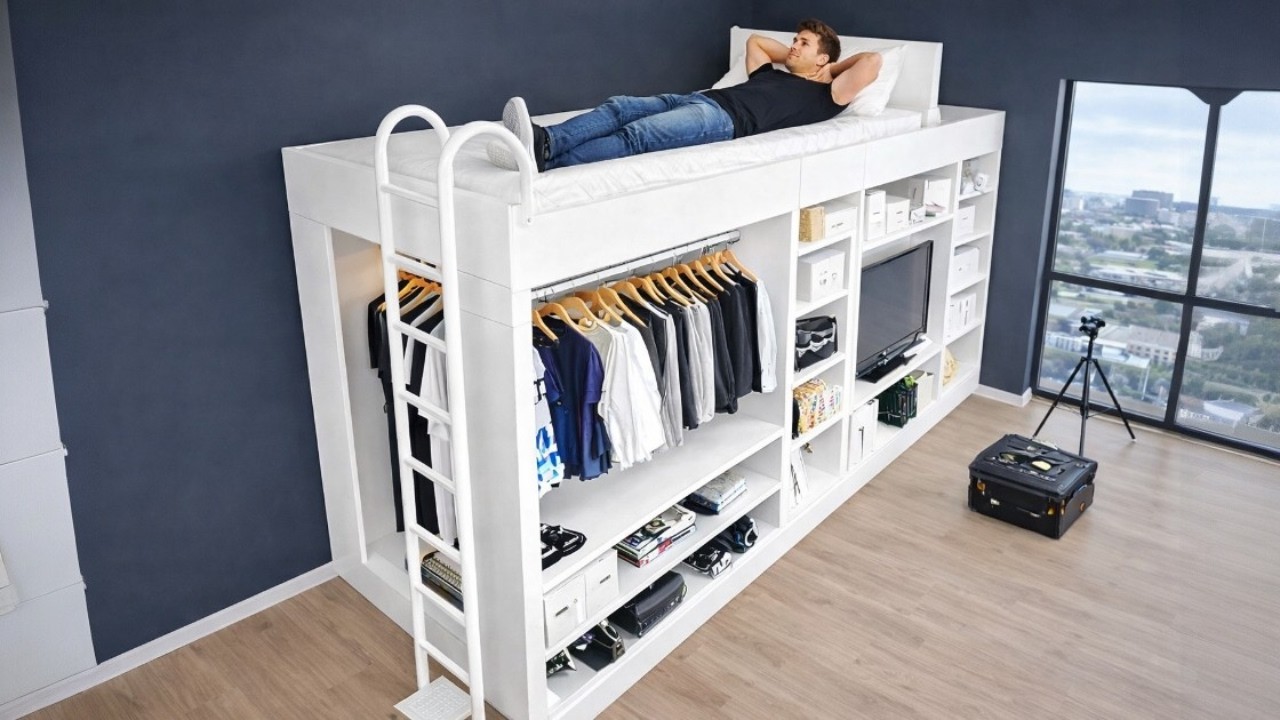
Go vertical first. Most people plan storage horizontally — furniture along the walls, shelves at eye level. But walls extend upward, and that vertical space is almost entirely wasted in most small apartments. That’s where your biggest gains are waiting.
Every item needs a home. Clutter doesn’t happen because people are disorganized by nature. It happens because items don’t have a designated place to return to. When something has a clear spot, putting it away takes two seconds. When it doesn’t, it lands on whatever surface is closest.
Multifunctional beats single-purpose. In a space where every square foot matters, furniture that only does one job becomes an inefficient use of room. A bed with built-in drawers, a storage ottoman that doubles as a coffee table, a bench with a hinged lid — these aren’t upgrades. In small space living, they’re necessities.
17 Clever Tiny Apartment Storage Ideas
1. Use the Space Under Your Bed — Seriously
Under-bed storage remains one of the most consistently overlooked opportunities in any small apartment. A standard bed frame sits roughly 7 to 14 inches off the floor — enough clearance for flat bins, seasonal clothing, spare bedding, or shoes you don’t reach for every day.
If your frame doesn’t include built-in drawers, rolling under-bed bins slide in and out easily and cost very little. Vacuum storage bags take this a step further, compressing bulky items like winter jackets or duvets down to a manageable size. It’s one of the simplest wins in tiny apartment storage, and it costs almost nothing to implement.
2. Invest in a Storage Ottoman
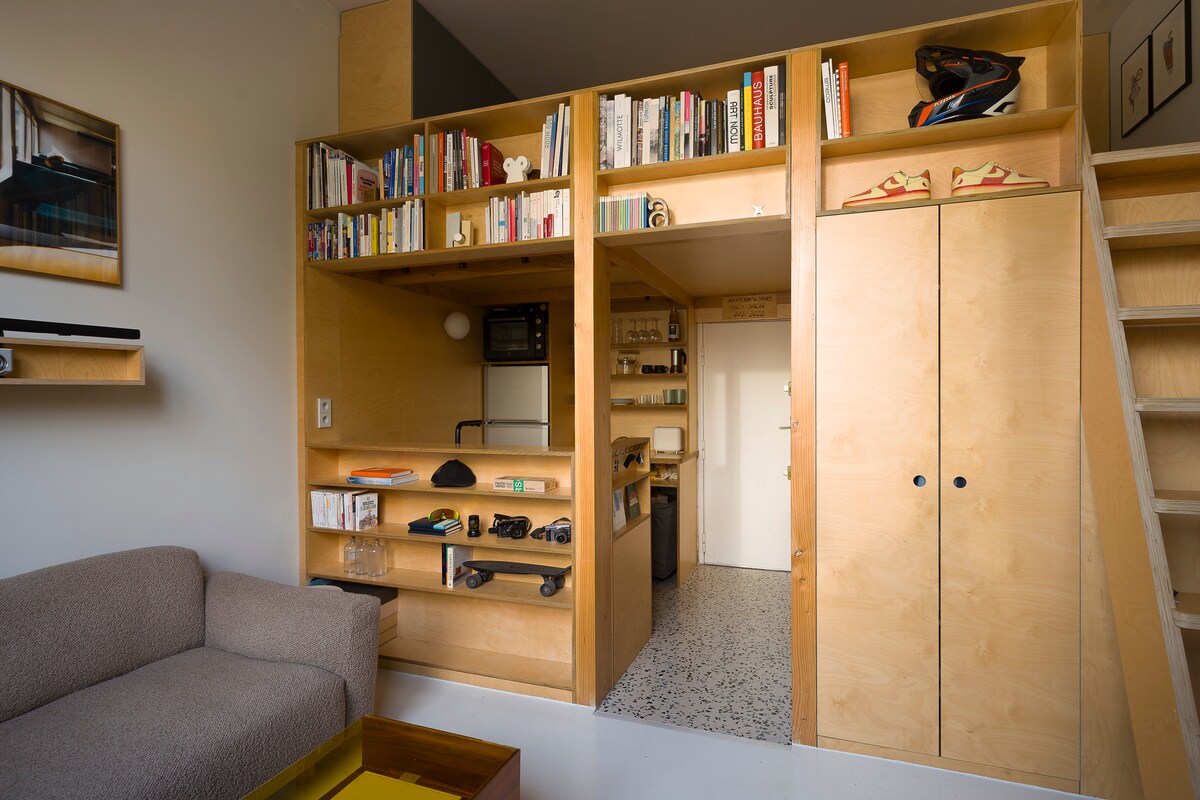
A well-chosen storage ottoman quietly handles three jobs: it’s comfortable seating, a place to rest your feet, and a container for anything that tends to accumulate in your living room — blankets, chargers, books, or extra cushions. For tiny apartment storage, this one piece of furniture earns its place several times over.
3. Mount Shelves All the Way to the Ceiling
There’s a common habit of stopping shelves at eye level and treating everything above as decorative space. Extend your wall-mounted shelves all the way to the ceiling, and you gain significant room for items you don’t need on a daily basis — seasonal decorations, backup supplies, appliances used only occasionally. Labeled baskets on the upper levels keep things easy to identify without requiring a ladder every time.
4. Go Behind the Doors
Every door in your apartment has a back side, and that side is almost always unused. Over-the-door organizers work well in bathrooms for toiletries and styling tools, in kitchens for spices and cleaning supplies, and in bedrooms for shoes and accessories. This particular tiny apartment storage solution requires minimal investment and delivers results that are immediately noticeable.
5. Floating Nightstands Instead of Bulky Furniture
A wall-mounted floating nightstand takes up no floor space at all, yet still provides a surface for your phone, a glass of water, and a book. In a small bedroom, removing even one piece of floor-standing furniture makes the room feel meaningfully more open. It’s a small change with a surprisingly large visual impact.
6. A Pegboard in the Kitchen
Pegboards have a well-earned reputation in workshops and garages, but they work just as effectively in a kitchen. Mounted on a wall, a pegboard can hold pots, pans, utensils, cutting boards, and small spice shelves — all off the counter and within easy reach. Cleared countertops are one of the fastest ways to make a small kitchen feel more functional and less chaotic.
7. Tension Rods Inside Cabinets
This one tends to surprise people the first time they see it. A basic tension rod installed horizontally inside a kitchen cabinet can hold spray bottles upright, divide baking sheets and cutting boards vertically, or keep cleaning products organized under the sink. No drilling required, and the cost is almost nothing. For tiny apartment storage on a tight budget, this is as efficient as it gets.
8. Furniture With Hidden Storage
When it’s time to replace or add furniture, make storage part of the criteria rather than an afterthought. Beds, sofas, benches, coffee tables, and even some dining tables are now available with built-in compartments or drawers. Paying slightly more for a piece that also stores things is almost always worth it in a small apartment — the return on that investment shows up in your daily life, not just on a price tag.
9. Stacking and Nesting Everything You Can
In a compact kitchen, how items are stored inside cabinets matters as much as what cabinet they go in. Pots, bowls, and containers that nest inside each other use vertical cabinet space efficiently rather than spreading out horizontally. The same principle applies to baskets and bins throughout the apartment. For clothing, the KonMari folding method — where garments stand upright in drawers — lets you see everything at a glance without pulling things apart to find what you need.
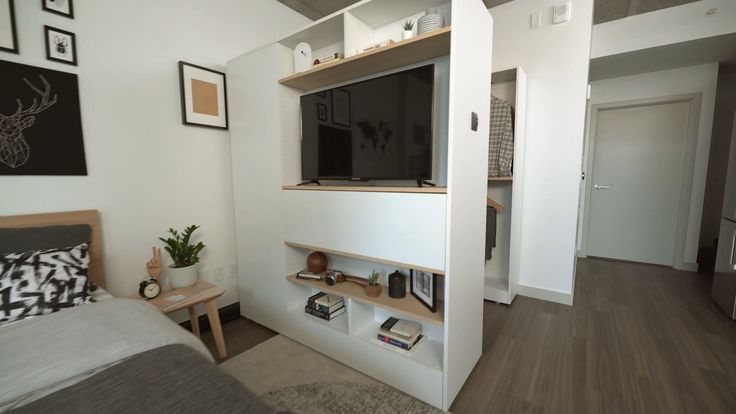
10. Use a Bookshelf as a Room Divider
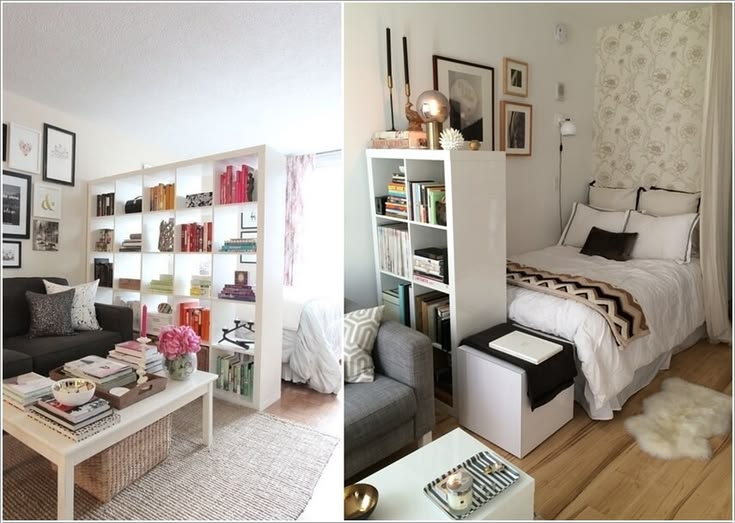
Studio apartment storage presents a particular challenge: how do you create distinct zones in a single open room without putting up walls? A tall bookshelf placed perpendicular to a wall does the job well. It creates a visual boundary between your sleeping area and living area while simultaneously adding storage on both sides. It’s one of those solutions that’s both practical and genuinely good-looking when done well.
11. Magnetic Strips in the Kitchen and Bathroom
A magnetic knife strip mounted on the kitchen wall keeps knives accessible without the counter footprint of a knife block. In the bathroom, small magnetic containers attached to a strip can organize the small items — bobby pins, nail clippers, tweezers — that have a habit of disappearing into the back of a drawer. Magnetic organization is one of the tidier tiny apartment storage tricks that also happens to look intentional rather than improvised.
Comparison: Common Tiny Apartment Storage Solutions
| Storage Solution | Cost (Approx.) | Ease of Install | Best For | Space Saved |
|---|---|---|---|---|
| Under-bed bins | $10–$30 | Very Easy | Clothing, linens | High |
| Wall-mounted shelves | $20–$80 | Moderate | Books, décor, kitchen | Very High |
| Over-door organizers | $10–$25 | Very Easy | Bathroom, bedroom | Medium |
| Storage ottoman | $40–$150 | None | Living room | Medium |
| Pegboard (kitchen) | $25–$60 | Moderate | Kitchen tools | High |
| Multifunctional furniture | $100–$500+ | None | Any room | Very High |
| Tension rods (cabinets) | $5–$15 | Very Easy | Kitchen, bathroom | Medium |
12. Hooks Everywhere — and Don’t Feel Bad About It
Command hooks deserve more credit than they usually get. They hold bags, coats, keys, towels, and jewelry without leaving permanent marks on walls — which matters enormously for renters. Placed thoughtfully throughout a tiny apartment, hooks convert blank wall sections and furniture sides into functional storage. The key word is “thoughtfully” — grouped hooks near an entryway, for example, solve the coat-on-chair problem in a way that actually sticks.
13. Bathroom Storage That Goes Vertical
Small apartment bathrooms tend to offer very little counter or cabinet space. A tall, narrow shelving unit positioned beside the toilet — sometimes called an étagère — makes use of vertical space that would otherwise contribute nothing. Paired with matching baskets to group similar items together, it keeps the bathroom feeling organized rather than stacked. Vertical storage solutions like this one prove that working upward is almost always more effective than trying to spread outward.
14. Modular Closet Systems
A closet with a single hanging rod and one shelf is doing the bare minimum. Modular closet systems let you customize the interior to match what you actually own — double-hang sections for shirts and folded clothes, pull-out drawers for smaller items, shelf dividers, and door-mounted organizers. Many closet organization systems today are designed to install without professional help and come in at reasonable price points. The improvement in usable space is often dramatic compared to a standard closet setup.
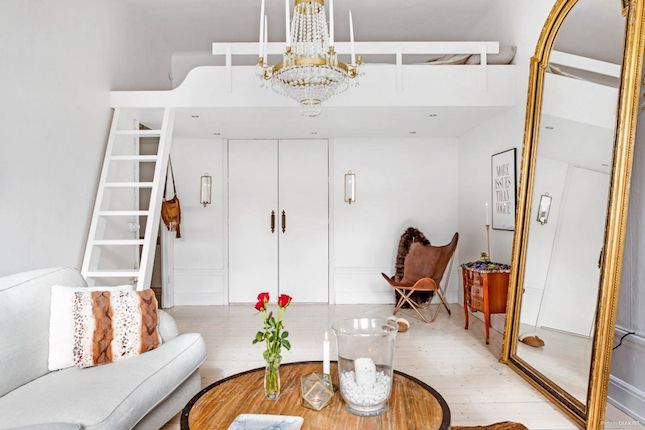
15. Fold-Down or Wall-Mounted Desks
For anyone working from home in a small apartment, a full-size desk can occupy more room than it reasonably should. A fold-down wall-mounted desk solves this cleanly — it provides a proper work surface during the day and folds flush against the wall when the workday ends. Some versions come with shelves and compartments built into the unit, making them a complete small space living workspace without the permanent footprint.
16. Think in Zones, Not Rooms
Perhaps the most useful perspective shift for tiny apartment storage is this: stop organizing by room and start organizing by activity. A small apartment doesn’t always have the luxury of defined rooms, but it can absolutely have defined zones. A charging station near the entry, a reading corner by the window, a workout mat with its accessories stored in an adjacent basket — each zone has its own storage logic, and building around activities rather than architectural labels often leads to more practical results.
17. Label Everything
It sounds too simple to matter. It isn’t. When every container, basket, and shelf has a clear label, the act of putting things away becomes nearly automatic. There’s no decision-making involved, no second-guessing where something belongs. For households with more than one person, labeled storage is particularly valuable — it creates a shared system that everyone can follow without needing a tour. Good labeling is one of the quieter elements of effective small apartment organization, but its impact on long-term habits is real.
Real-Life Example: 380 Square Feet, One Person, Completely Organized
A friend made the move into a studio apartment in Karachi — 380 square feet, no outdoor space, and a kitchen that left very little room to maneuver. She didn’t gut the apartment or pare her belongings down to the bare essentials. She worked with what she had.
Over a few weekends, she installed floor-to-ceiling shelving along one wall, swapped her old bed frame for a platform bed with six built-in drawers, added over-door organizers to every door in the apartment, and chose a storage ottoman as her primary living room surface. None of it required a contractor. Most of it cost less than she expected.
Six months later, the apartment feels settled and calm. Surfaces stay clear. Things are where they’re supposed to be. Guests regularly comment on how organized it feels — which, coming from a 380-square-foot studio, says something about what intentional tiny apartment storage can actually accomplish.
FAQs About Tiny Apartment Storage
How do I add storage to a tiny apartment without drilling holes?
Command strips, tension rods, over-door organizers, and freestanding shelving units are all reliable options that require no drilling. Many renters build complete and highly functional tiny apartment storage systems without making a single permanent modification to their walls.
What’s the best furniture for a small apartment?
Furniture that serves more than one function is almost always the right answer. Storage beds, lidded ottomans, nesting side tables, and modular shelving all offer more value per square foot than single-purpose pieces. Multifunctional furniture is the practical foundation of effective tiny apartment storage.
How do I keep a small apartment organized long-term?
Sustainability comes from having a designated place for every item you own. When things belong somewhere specific, putting them away becomes a reflex rather than a chore. Adding a brief weekly reset — even ten minutes of light decluttering — prevents small amounts of buildup from becoming a bigger problem over time.
Is vertical storage really worth it?
Without question. Vertical storage solutions consistently represent the largest single improvement available in tiny apartment storage. Most apartment ceilings sit between 8 and 10 feet high, yet most storage stops well below 6 feet. That gap is usable space that most people simply never think to claim.
Conclusion
Tiny apartment storage isn’t about living with less or making your home feel like a minimalist showroom. It’s about making thoughtful use of the space you actually have. Walls, doors, the space under your bed, the back of a cabinet — each of these holds more potential than most people realize until they start looking at their apartment with that lens.
Pick one idea from this list that feels manageable and start there. Maybe it’s finally sorting out that under-bed space, or mounting a pegboard in the kitchen. One change, done well, tends to create momentum. And before long, your apartment doesn’t just feel organized — it feels like it was designed to work exactly the way you need it to.