Most people buying grow lights never stop to calculate whether their electricity bill is quietly eating through every dollar their harvest brings in. It happens more often than growers like to admit. If you’ve ever opened your power bill after a full growing season and felt a sharp pang of regret, you already understand why the best solar powered grow lights have moved from an experimental idea to a serious conversation among growers who care about both results and costs.
Why Solar Grow Lights Are Getting a Second Look in 2026
A few years back, solar powered plant lights were easy to dismiss. The panels were underpowered, the battery backup ran out too quickly, and growers with real expectations walked away frustrated. That picture has changed in a meaningful way.
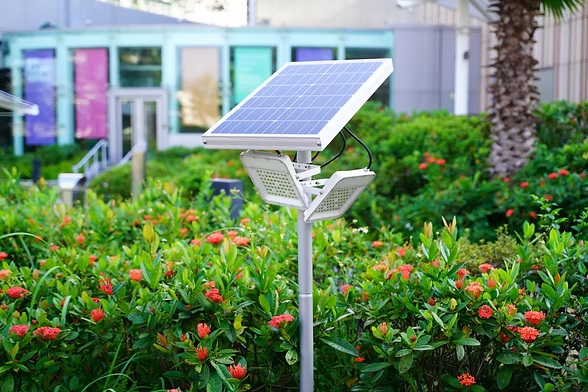
Monocrystalline solar panel technology has improved substantially, and when you combine that with higher-efficiency LED chips and smarter charge controllers, the best solar powered grow lights now operate in genuinely productive territory. These are not the decorative solar accent lights that line garden paths. These are full-spectrum systems engineered to support vegetative growth, flowering cycles, and fruiting stages with consistent, measurable photon output.
The growers who benefit most from these systems tend to fall into a few clear groups: small greenhouse operators working to reduce overhead, urban homesteaders producing food year-round in sheds or converted outbuildings, off-grid hobby farmers, and anyone with a genuine interest in cutting their carbon footprint without giving up healthy plant growth.
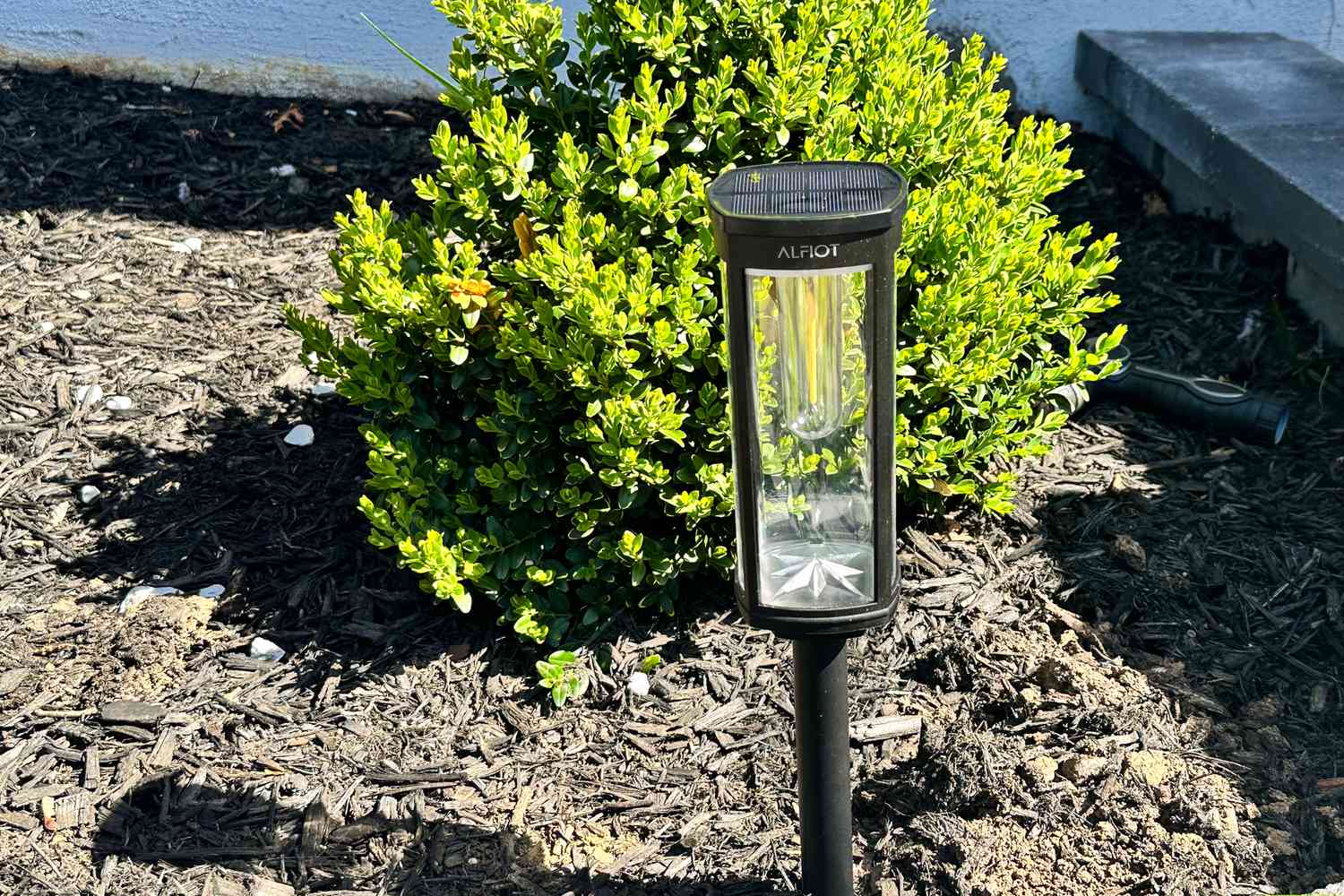
How Solar Powered Grow Lights Actually Work
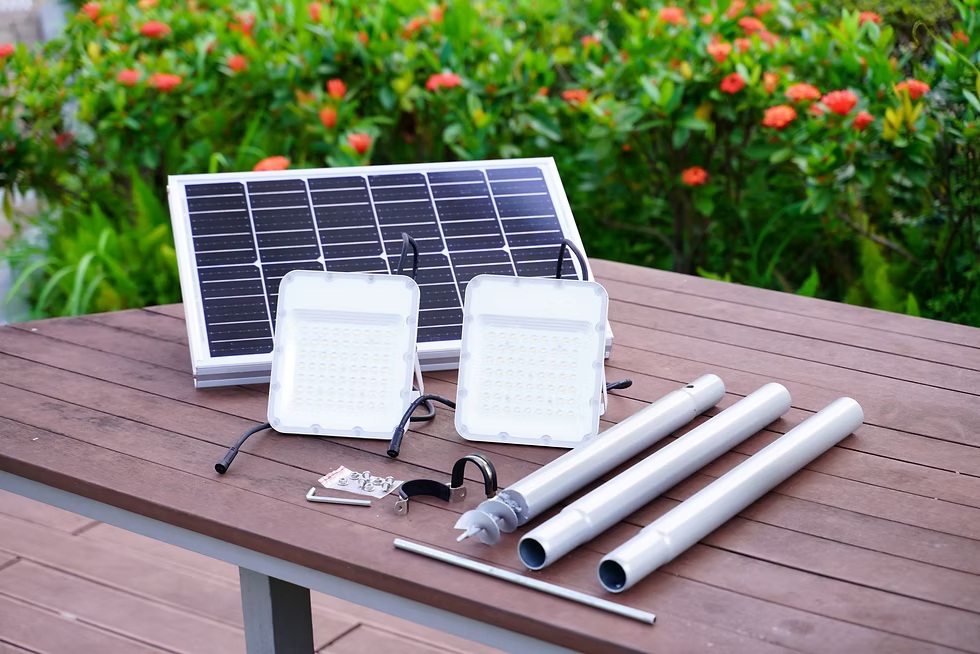
Before committing money to any system, it helps to understand what you are actually buying. The best solar powered grow lights typically combine three components that work in sequence: a solar panel that captures sunlight and converts it into DC electricity, a charge controller that manages and regulates that energy safely, and a battery that stores power for use after dark or during overcast periods.
The LED fixture itself draws energy from the battery. On days with strong sun, the system charges and runs at the same time. When clouds roll in or night falls, it draws from whatever is stored.
In most budget systems, the weak point is almost always battery capacity rather than the panel itself. A 10-watt LED running through a full growing cycle might need 8 to 10 hours of runtime per day. That means you need at minimum 80 to 100Wh of usable storage before accounting for conversion losses. Always check the amp-hour rating and the usable depth of discharge before purchasing any solar grow light kit.
Spectrum quality matters just as much. Plants require light across the full PAR, or photosynthetically active radiation, range — roughly 400 to 700 nanometers. The best solar powered grow lights available today include red, blue, and often white or infrared diodes to cover this complete range effectively.
What Makes a Solar Grow Light Worth Buying
A practical framework helps here. When you are evaluating the best solar powered grow lights, these five factors should guide your decision more than price or brand recognition alone.
Panel wattage and efficiency — Monocrystalline panels consistently outperform polycrystalline options when space is limited. If the product listing does not specify which type the panel is, treat that as a reason to look elsewhere.
Battery storage capacity — For a single grow light running 10 hours daily, aim for at least 20 to 30Ah at 12V. Lithium iron phosphate, or LiFePO4, batteries hold a clear advantage over lead-acid in both longevity and reliable output.
LED spectrum quality — Full-spectrum or red/blue/white combinations are what you want. Look for manufacturers that publish PAR output or PPFD (photosynthetic photon flux density) values. Any brand that hides these numbers is worth approaching with caution.
Charge controller type — MPPT (Maximum Power Point Tracking) controllers pull more usable energy from a panel than PWM controllers do. In low-light conditions, that difference can range from 15 to 25 percent more power reaching your battery.
Weatherproofing and build quality — For greenhouse or outdoor use, an IP65 rating or higher is worth prioritizing. It protects your investment when conditions are less than ideal.
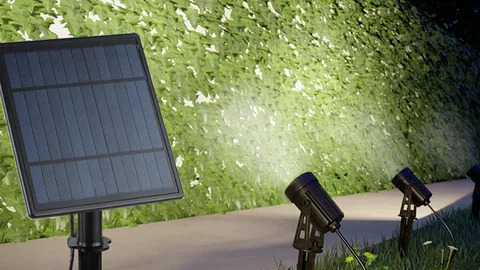
7 Best Solar Powered Grow Lights Compared
The table below gives you a side-by-side look at the types of systems growers are working with, along with the specs that matter most before you buy:
| Product Type | Panel Wattage | LED Power | Battery Capacity | Best For |
|---|---|---|---|---|
| Compact All-in-One Kit | 20W | 10W Full Spectrum | 20Ah LiFePO4 | Seedlings, herbs |
| Mid-Range Modular System | 50W | 30W COB LED | 40Ah LiFePO4 | Vegetables, leafy greens |
| Greenhouse Panel Array | 100W | 60W Full Spectrum | 80Ah AGM | Small greenhouse rows |
| Portable Folding Kit | 30W | 15W Red/Blue | 25Ah LiFePO4 | Balcony gardens, small tents |
| High-Output Off-Grid System | 200W | 120W Full Spectrum | 100Ah LiFePO4 | Commercial small plots |
| Budget Entry System | 15W | 8W Blue/Red | 12Ah Lead-Acid | Hobby seedling trays |
| Smart Timer-Controlled Kit | 40W | 25W Full Spectrum | 30Ah LiFePO4 | Automated indoor grows |
No single system fits every situation. A compact herb garden on a south-facing balcony has fundamentally different demands than a 10×12 greenhouse sitting through four months of overcast winter skies.
Real-World Performance: What Growers Are Actually Seeing
Consider the experience of a small market farmer in rural New Mexico who transitioned a 200 square foot seedling greenhouse to the best solar powered grow lights she could source within a $600 budget. She paired a 100W monocrystalline panel with a 60W full-spectrum LED bar and an 80Ah LiFePO4 battery. After one complete spring season, her seedling success rate held steady relative to her previous wired setup, and her electricity cost for that greenhouse effectively dropped to zero.
That outcome is not exceptional when the system is sized correctly. It is simply what happens when the math is done properly before purchasing.
The opposite experience is equally instructive. A hobbyist grower in the Pacific Northwest installed a 20W all-in-one kit to raise tomato seedlings through February. The combination of weak winter sun and a small battery meant the light reliably ran only 5 to 6 hours per day. The seedlings made it, but they were noticeably stretched and leggy compared to plants under a grid-powered supplemental LED. Geography and season carry just as much weight as product specifications do.
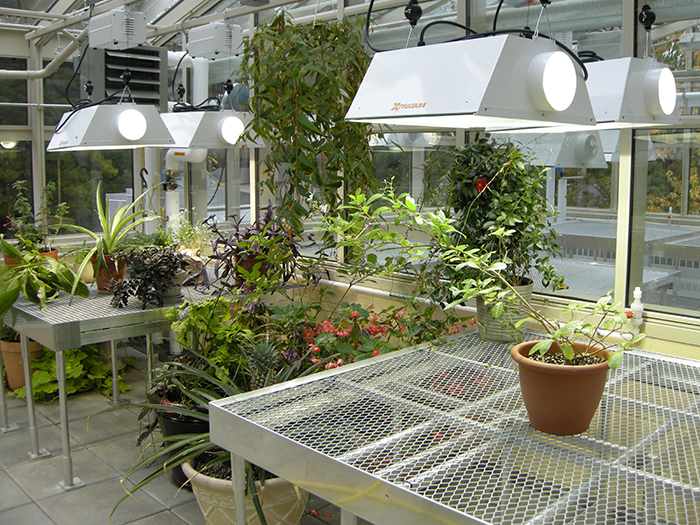
Matching the Best Solar Powered Grow Lights to Your Setup
Three honest questions can save you from a costly mismatch before you spend a dollar.
How many hours of direct sun does your panel location actually receive each day? This single variable shapes every other calculation. A system sized perfectly for Arizona will consistently underperform in Scotland or Oregon during winter months.
What growth stage are you primarily targeting? Seedlings and leafy greens have significantly lower light intensity requirements than fruiting plants like peppers, tomatoes, or cannabis. The best solar powered grow lights suited for leafy greens can be considerably less powerful, and therefore less expensive, than what fruiting crops genuinely require.
Is this supplemental lighting, or is it your only light source? A greenhouse that receives eight hours of natural sunlight but needs four additional hours of coverage is a very different use case than a fully enclosed indoor grow with no natural light access whatsoever.
Setting Up Your Solar Grow Light System the Right Way
Panel placement is the step most growers underestimate or rush through. Even partial shading from a single tree branch or an overhanging roofline can reduce panel output by 30 to 50 percent. Mount panels at the tilt angle appropriate for your latitude, keep the surface clean (dust and bird droppings reduce output more than most people expect), and orient them south-facing if you are in the northern hemisphere.
For the grow light fixture itself, hanging height has a direct impact on the light intensity your plants actually receive. Most LED grow lights provide PPFD values measured at a specific distance. A light that delivers 400 PPFD at 18 inches may only deliver 150 PPFD at 30 inches. Getting this measurement right matters particularly for seedlings and young plants, which can be damaged by lights hung too close.
A programmable timer is worth adding to any setup. The best solar powered grow lights perform most efficiently when scheduled to run during the period when battery charge is at its peak — typically midday through the early evening. Running a grow light at two in the morning on a nearly depleted battery accelerates battery wear faster than almost any other factor.
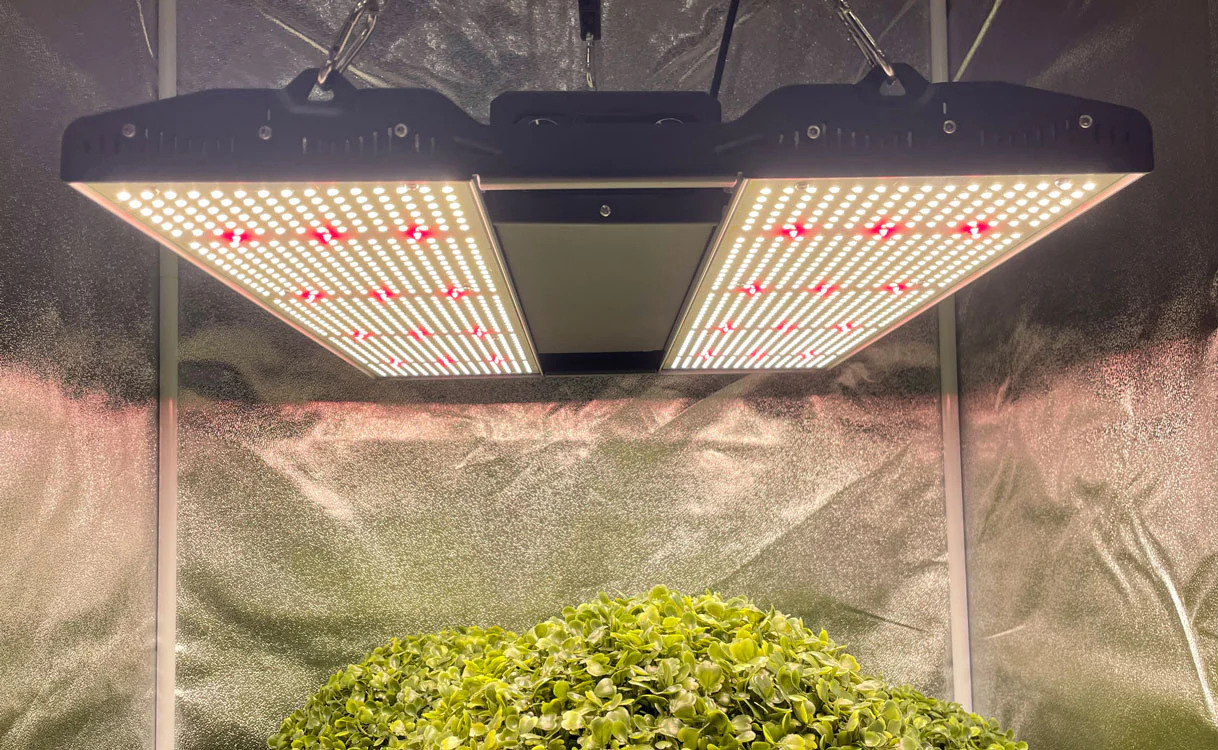
Common Mistakes to Avoid
Oversizing the LED relative to your panel and battery is the most expensive mistake growers make when starting out. A 100W LED drawing power from a 20W panel and a 20Ah battery will exhaust that system within roughly two hours. The energy inputs and outputs need to balance across a full 24-hour cycle before the system can operate sustainably.
Purchasing based on panel wattage alone, without verifying battery capacity, leads to disappointment just as quickly. Some manufacturers advertise impressive panel wattage while pairing it with a battery that cannot support meaningful runtime under real conditions.
Temperature effects deserve attention too, particularly for growers in colder climates. Batteries lose meaningful capacity when temperatures drop. If your solar grow light setup lives in an unheated shed or greenhouse through winter, plan for a 20 to 30 percent capacity reduction in your LiFePO4 battery — and an even steeper reduction in lead-acid alternatives.
Frequently Asked Questions
Can the best solar powered grow lights fully replace traditional grow lights?
For low-to-medium light crops such as herbs, lettuce, microgreens, and seedlings, a properly sized system can fully replace a grid-powered alternative. For higher-demand crops, solar grow lights often work best as the primary source in a solar-supplemented hybrid setup rather than as a standalone solution.
How long do solar grow light batteries typically last?
A quality LiFePO4 battery used in the best solar powered grow lights can deliver 2,000 to 5,000 charge cycles before significant capacity loss — roughly 5 to 15 years with reasonable care. Lead-acid batteries typically reach 300 to 500 cycles before performance degrades noticeably.
Are solar grow lights worth it financially?
In regions with reliable sun exposure, yes. The payback period for a well-sized system generally falls between 18 and 36 months when compared to running an equivalent grid-powered LED setup. After that point, operating costs are effectively zero.
What plants grow best under solar powered grow lights?
Herbs including basil, cilantro, and parsley; leafy greens such as lettuce, spinach, and kale; microgreens; and seedlings are the most reliable match for most best solar powered grow lights setups. Tomatoes and peppers are achievable, but they require higher-output systems to perform well.
Do solar grow lights work on cloudy days?
They continue to operate, though at reduced capacity. Most solar panels generate between 10 and 25 percent of their rated output under heavy cloud cover. Battery backup is what bridges that gap, which reinforces why storage capacity is especially critical in climates that see extended cloudy periods.
Conclusion
The best solar powered grow lights have reached a level of maturity that makes them a genuinely practical choice for growers who approach sizing and application thoughtfully. They will not outperform a well-designed wired system in every scenario, and they should not be treated as a universal replacement. But for off-grid setups, greenhouse supplemental lighting, or any grower committed to reducing long-term energy costs, the value proposition is real and increasingly hard to ignore.
The process is straightforward: start with your daily sun hours, identify your primary crop type, calculate your actual runtime requirements, and then match a panel, battery, and LED to those specific numbers. That approach alone will place you ahead of the majority of buyers. The best solar powered grow lights are not the most expensive options available, nor the ones with the loudest marketing. They are the ones matched precisely to what you are actually trying to grow.
Your action step today is simple: use a free solar calculator tool online to determine the peak sun hours at your panel location. That single number will tell you more about which system belongs in your setup than any product comparison chart can.