There is something quietly remarkable about walking into a room that feels borrowed from a countryside novel. Soft linen curtains filtering morning light, dried lavender resting near a windowsill, a worn wooden dresser that carries the gentle weight of time. If you have ever felt drawn toward something simpler, softer, and more grounded in nature, that feeling is more common than you might think.
Cottagecore has moved far beyond seasonal Pinterest trends. It is appearing in real bedrooms, modest apartments, and urban living rooms where people are consciously choosing a slower, more intentional approach to decorating. The best part is that you do not need a countryside property or an unlimited budget to bring this aesthetic to life.
Whether you are starting fresh or simply want to breathe new life into an existing space, these cottagecore room ideas will guide you toward a result that feels genuinely warm, personal, and worth coming home to.
What Is the Cottagecore Aesthetic, Really?
It helps to understand what this style is actually rooted in before moving into the practical ideas. Cottagecore is not simply about adding a few floral cushions and hoping for the best. It is a design philosophy that draws from nostalgia, a respect for nature, and the belief that beauty does not have to be perfect to be meaningful.
Think of it as a visual expression of rural slowness — hand-stitched quilts, mismatched vintage ceramics, trailing greenery, and the kind of worn, lived-in charm that modern interiors often edit out entirely. The aesthetic takes strong influence from English cottage gardens, rural European farmhouses, and the broader idea that a home should feel like a place of rest rather than a stage for performance.
What makes cottagecore room ideas so relevant today is that they offer a quiet contrast to the cold, ultra-minimal interiors that defined the last decade. People are genuinely tired of stark grey walls and surfaces that feel more clinical than comfortable. They want warmth. They want layers. They want their space to feel like somewhere, not just something.
15 Cottagecore Room Ideas to Create Your Dream Space
1. Start With a Warm, Earthy Color Palette
Color is where every strong cottagecore bedroom decor scheme begins. Move away from stark whites and sharp contrasts. The cottagecore palette lives in warm creams, dusty sage greens, blush pinks, soft terracotta, and the kind of muted yellow that reminds you of old butter or afternoon light through glass.
These tones feel instinctively calming because they are drawn from the natural world rather than invented by trend forecasters. If you are painting a wall, warm ivory or botanical sage are reliable starting points — both pair gracefully with almost every texture and material this aesthetic calls for.
And if repainting feels like too much commitment right now, a single accent wall in a muted, nature-inspired green can shift the entire mood of a room without touching anything else.
2. Layer Textiles Like You Mean It
Of all the approaches available, layering textiles is probably the most immediate and effective way to build a cozy cottage style interior. Cottagecore rooms resist being bare. They are built on the kind of softness that makes you want to sit down, slow down, and stay longer than planned.
Linen duvet covers, a chunky knit throw folded loosely at the foot of the bed, a vintage rag rug on a wooden floor, and a few embroidered cushions that look as though they were made by careful hands — these are the building blocks. Mixing textures thoughtfully, rough linen against soft cotton, warm wool beside cool ceramic, creates depth that reads as natural rather than decorated.
The most important thing to remember here is that imperfection is intentional. A neatly pressed, perfectly arranged bed is not the goal. A slightly rumpled quilt with a well-read book left open on it is far closer to the spirit of this aesthetic.
3. Bring Nature Indoors With Plants and Dried Botanicals
Nature is not an optional element in cottagecore room ideas — it is the foundation. Bringing living and dried botanical elements into your space is one of the clearest signals that a room belongs to this world.
Trailing pothos on a high shelf, small ferns near a sunny windowsill, wildflowers in a ceramic jug, or a bundle of eucalyptus left to dry near a curtain rail — each of these additions shifts the atmosphere in a noticeable way. If maintaining live plants feels difficult, dried botanicals are an excellent alternative. Dried lavender, pampas grass, and preserved roses ask very little of you and contribute an enormous amount visually.
Display plants without too much precision. Mismatched pots at varying heights, some on the floor and some elevated on shelves, create the kind of organic arrangement that feels genuinely gathered rather than purchased as a set.
4. Hunt for Vintage and Secondhand Furniture
Some of the most authentic cottagecore room ideas begin not in a furniture store but in a flea market, a charity shop, or a secondhand listing online. New furniture, however well designed, rarely carries the character that this aesthetic needs.
A worn wooden bedside table with slightly uneven legs. An antique vanity with a mirror that has developed its own soft patina. A ladder-back chair with a woven seat showing years of use. These pieces bring a quality of history that simply cannot be manufactured, and they integrate far more naturally into a cottagecore bedroom decor scheme than anything produced at scale.
A matching furniture set is not the aim here. Pieces that feel as though they arrived from different places and different times, unified only by their warmth and wear, tend to produce the most interesting and authentic results.
5. Use Floral Prints — But Thoughtfully
Floral patterns are closely associated with cottagecore room decor, and for good reason. But there is a meaningful difference between a layered, considered floral scheme and one that simply overwhelms the eye.
The approach that works best is to vary scale deliberately. A large-scale botanical wallpaper can sit comfortably alongside smaller, quieter floral patterns in cushion covers or window treatments, provided the rest of the room offers neutral ground for everything to settle against. Solid-colored textiles in cream, warm white, or sage help create that balance.
Prints that draw from old botanical illustration traditions tend to feel the most intentional in this context. They carry a quality of study and attention that reads as genuine rather than decorative.
6. Create a Reading Nook That Feels Like an Escape
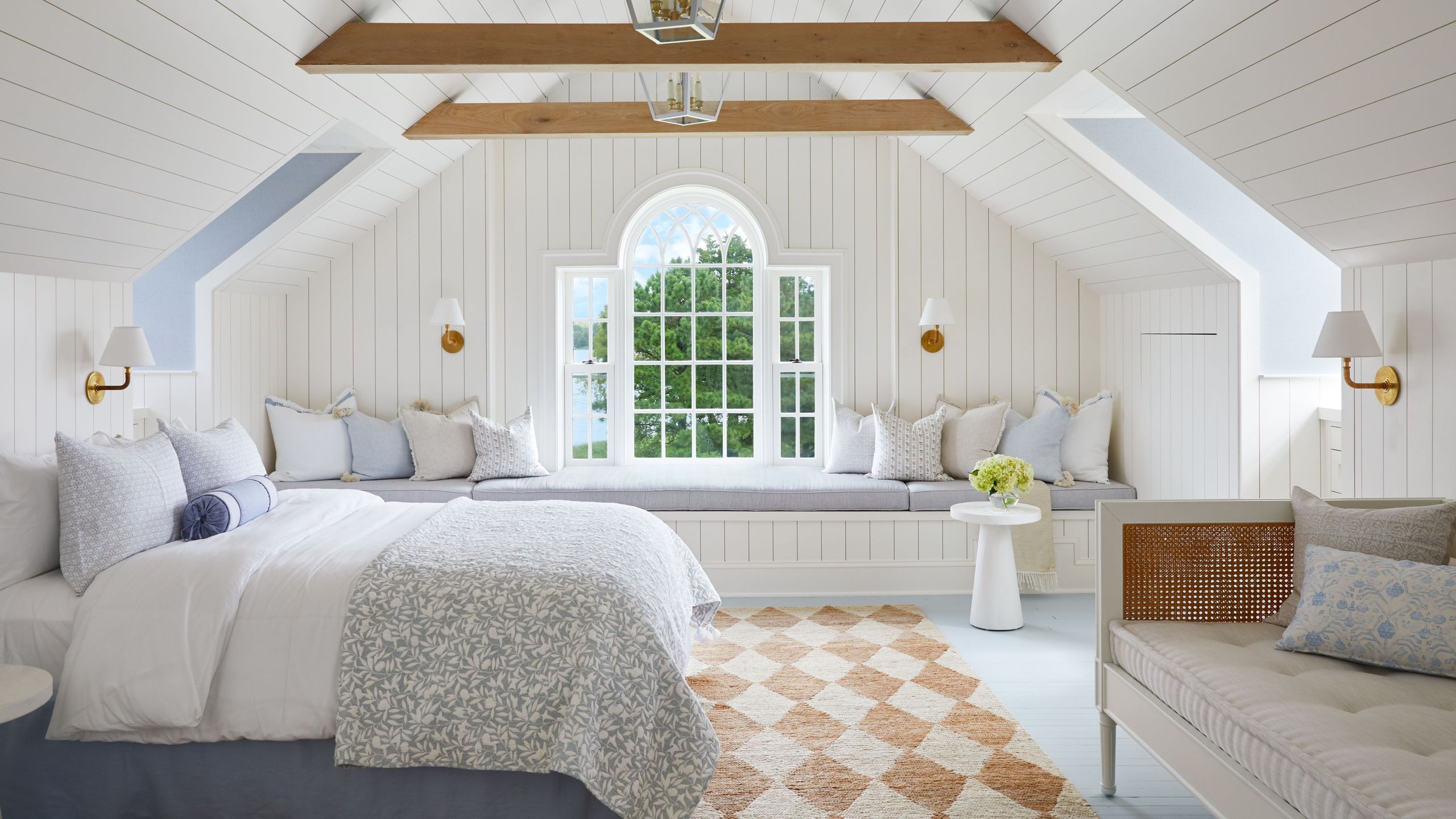
Ask anyone who has spent real time thinking about cottagecore room ideas, and a reading nook will appear in almost every answer. It is one of the most defining features of this aesthetic, and it does not require much space to execute well.
A window seat with a firm cushion and a few layered throw pillows works beautifully. A small armchair positioned near a bookshelf is equally effective. Add a lamp that casts warm light rather than bright white, a small surface for a cup of tea, and a stack of genuinely loved books, and the corner becomes a place with its own quiet purpose.
This kind of intentional space is what separates a room that looks cottagecore from one that genuinely feels it. The difference is almost always in the details that invite a person to pause.
7. Display Books and Ceramics as Decor
Cottagecore rooms tell stories through their objects, and books and ceramics are two of the most accessible storytelling tools available. Books arranged by color on open shelves, or stacked alongside small ceramic figurines, a vintage candlestick, and a pot of dried flowers, create a visual rhythm that feels collected over time.
Handmade or slightly irregular ceramics are particularly well suited to this aesthetic. Stoneware mugs, earthenware vases, and hand-painted pottery in earthy tones have an imperfect quality that aligns naturally with the broader spirit of cottagecore room ideas. They look considered without looking curated, which is exactly the balance to aim for.
8. Incorporate Vintage Lighting for Warmth
Lighting decisions carry more weight in cottagecore bedroom decor than they are often given credit for. Overhead fluorescent or cool-toned lighting immediately works against everything else in the room. Warm, layered, softly distributed light from multiple sources — lamps, candles, and perhaps a string of warm fairy lights — creates a quality of atmosphere that changes how every other element is perceived.
Vintage-style table lamps with fabric shades, rattan pendant lights, and grouped candles on a wooden tray are all reliable choices. Bulbs around 2700K on the color temperature scale produce the kind of warm glow that makes textures look richer, colors look softer, and the whole room feel more like the retreat it is meant to be.
Quick Comparison: Cottagecore vs. Minimalist Room Styles
| Element | Cottagecore Style | Minimalist Style |
|---|---|---|
| Color Palette | Warm, earthy, botanical | Cool, neutral, monochrome |
| Furniture | Vintage, mismatched, worn | Sleek, streamlined, uniform |
| Textiles | Layered, tactile, imperfect | Clean, simple, structured |
| Plants | Abundant, wild, trailing | Sparse, architectural |
| Decor Objects | Ceramics, books, dried flowers | Minimal or entirely absent |
| Overall Feel | Cozy, nostalgic, personal | Clean, calm, functional |
9. Embrace Imperfection as a Design Choice
This is one of the more significant mindset shifts that cottagecore room ideas invite. Mainstream interior design often treats wear and imperfection as problems to be corrected. In a cottagecore aesthetic room, they are not problems at all — they are evidence of time, use, and genuine living.
The chipped paint on a vintage dresser is patina. The slightly uneven hem on a handmade linen curtain is charm. The faded patch on an old rug is history. Learning to see these qualities as assets rather than flaws changes not only how you style a room but how you relate to the objects in it.
10. Add a Writing Desk With Vintage Stationery
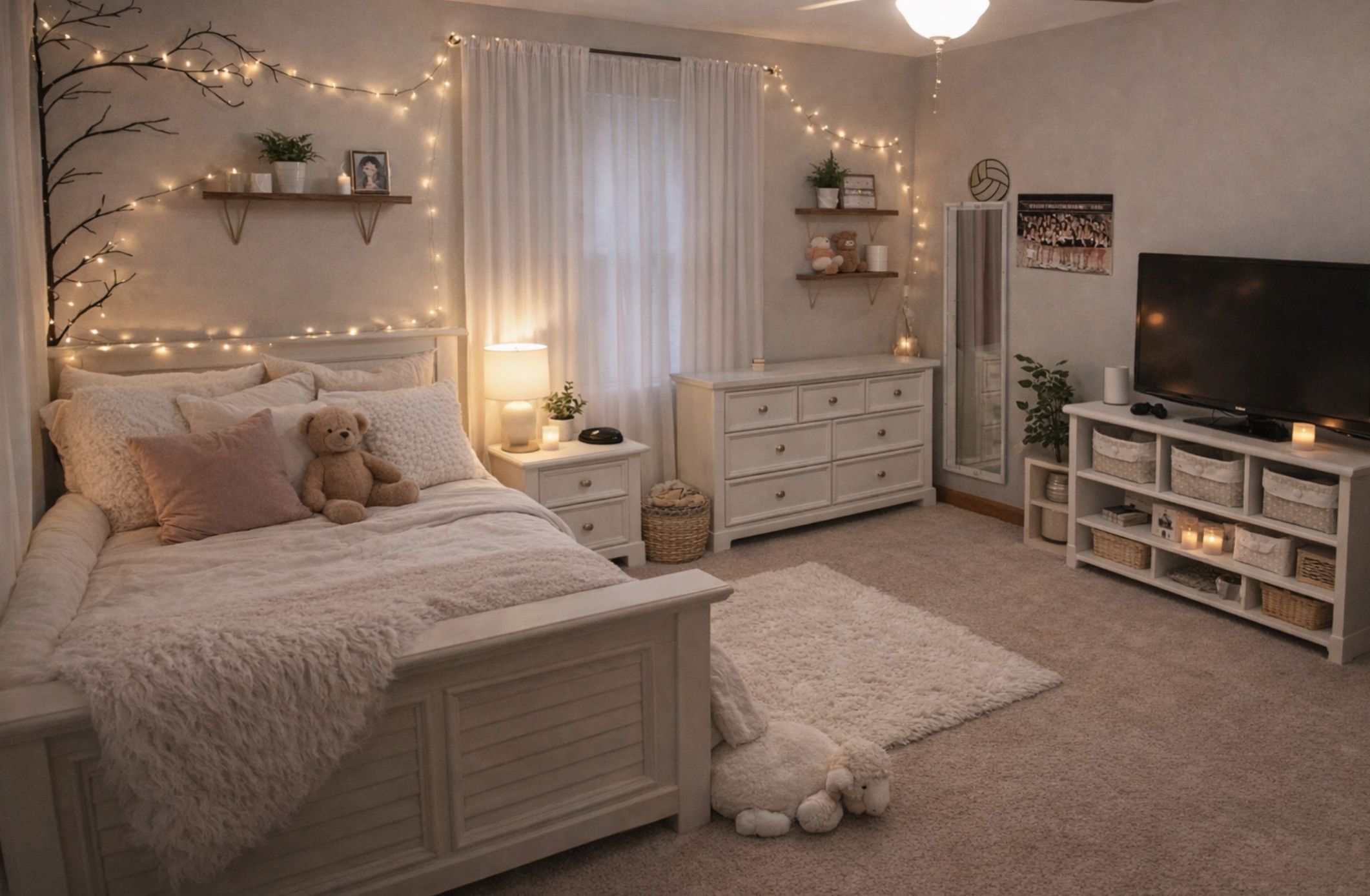
There is something that belongs distinctly to the cottagecore world in the ritual of sitting at a small desk with a journal, a pen, and quiet around you. A writing desk near a window, even a modest one, styled with a pressed flower in a simple frame, a small plant, and a few well-chosen notebooks, contributes both function and atmosphere.
This kind of corner supports the slow-living values that run through this aesthetic. It signals that the space is for rest, reflection, and personal practice as much as it is for sleep or storage.
11. Use Canopy or Linen Curtains for Bedroom Magic
A canopy above a bed is one of the most visually transformative of all cottagecore room ideas. Even a length of sheer fabric draped softly from a ceiling hook or a simple curtain rod creates a sense of enclosure and quiet that feels like something between a garden arbor and a private retreat.
For those who prefer something subtler, linen curtains hung high and wide above a window achieve a similar softening effect. Undyed or very lightly dyed natural linen is the most authentic fabric choice for this aesthetic — it falls beautifully, ages well, and complements almost every other natural material around it.
12. Create a Gallery Wall With Botanical Prints
A gallery wall built from botanical prints, vintage illustrations, and pressed flower art can anchor an entire room without requiring significant investment. The arrangement should feel organic rather than symmetrical — a loose cluster of frames in varying sizes reads as genuinely gathered rather than staged.
Affordable botanical prints are available through online print shops, vintage markets, and even scanned pages from old horticultural encyclopedias. Mismatched vintage frames in tones of gold, warm wood, and aged white bring the whole thing together without making it look as though everything was purchased at the same time.
13. Add Bookshelves Styled Like Cottagecore Collections
Open shelving in a cottagecore living room or bedroom should look like it belongs to someone who actually lives there. Books stacked in both directions, small herb pots tucked between volumes, a candle or two at varying heights, and the occasional small object that means something personal — this is the standard to aim for.
A shelf that looks slightly asymmetrical and genuinely used is far more in keeping with the whimsical home aesthetic than one arranged with geometric precision. The goal is a collection, not a display.
14. Don’t Forget Scent — It’s Part of the Experience
A fully realized cottagecore aesthetic room does not stop at what can be seen. Scent contributes to atmosphere in a way that is difficult to quantify but immediately felt. Lavender sachets resting in a drawer, a beeswax candle burning quietly on a nightstand, or a diffuser carrying cedarwood and rose through the room — these additions change how the space feels at a level that goes beyond decoration.
This is the kind of detail that distinguishes a room that photographs beautifully from one that genuinely feels like a sanctuary when you step into it.
15. Pull It All Together With Personal Touches
The final and perhaps most essential element in any cottagecore room ideas list is this: the space should feel unmistakably like yours. A beautifully styled room that could belong to anyone is missing the quality that makes cottagecore meaningful.
A postcard from somewhere that holds memory, a small pressed leaf collection from a walk taken months ago, a piece of hand embroidery made during a slow evening — these additions cannot be purchased as a set. They arrive over time, and they give a space the kind of depth that no amount of carefully chosen decor can manufacture on its own.
FAQs About Cottagecore Room Ideas
How do I start decorating a cottagecore room on a budget?
Begin with what you already own and build gradually from there. Secondhand shops are reliable sources for vintage ceramics, interesting frames, and furniture with character. Dried botanicals can come from a garden or a local market. Rearranging what you already have into more intentional corners costs nothing and often reveals possibilities that were already there. The cottagecore aesthetic is built on slow accumulation, not a single large purchase.
Can I create a cottagecore room in a small apartment?
Completely. Many of the most effective cottagecore room ideas are well suited to smaller spaces because they focus on atmosphere rather than scale. A single well-styled reading corner, a shelf arranged with intention, or a gallery wall of botanical prints can shift the character of a small room significantly. The focus should be on texture, warmth, and a few meaningful objects rather than filling every available surface.
What’s the difference between cottagecore and farmhouse decor?
Farmhouse decor tends toward structure and a cleaner finish — shiplap paneling, metal fixtures, and a tighter color palette. Cottagecore is softer and more romantically imperfect by intention. The references are different, too: wildflowers rather than mason jars, natural linen rather than burlap, botanical illustration rather than typographic signage.
Is cottagecore suitable for a living room, not just a bedroom?
Very much so. A cottagecore living room built around a linen sofa, a rattan coffee table, botanical print cushions, shelving styled with plants and ceramics, and warm layered lighting carries the same nature-inspired, personally meaningful energy that works so well in a bedroom. The principles translate across rooms without much adjustment.
Conclusion: Your Cozy Space Is Closer Than You Think
Building a cottagecore room is not a project that needs to be completed all at once. It is a gradual process of choosing things that feel right, placing them where they belong, and allowing a space to develop its own quiet character over time.
Start with one idea that genuinely appeals to you. Perhaps it is visiting a secondhand shop this weekend with a particular piece in mind, or hanging a small bundle of dried lavender near a window. Small, considered additions accumulate into something that eventually feels entirely coherent and entirely yours.
The most enduring cottagecore room ideas are never the grandest or the most expensive. They are the ones that make a space feel like a place you are glad to return to — somewhere that slows the pace, softens the edges, and reminds you that home is worth taking care of.