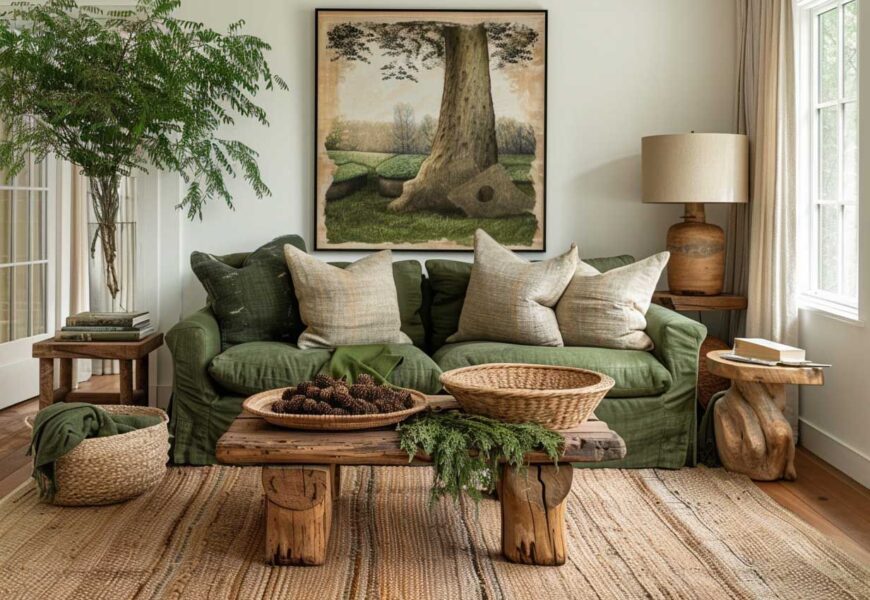
Your home should feel like a deep breath. Not a showroom.
Too many living spaces end up resembling a furniture catalog — visually put-together on the surface, but somehow cold and exhausting to actually live in. If you have ever stepped into someone’s home and felt an immediate sense of calm, something quietly grounded and warm, there is a good chance that space was built around earthy home decor principles, even if nobody called it that.
The better news is that you do not need a full renovation or a design consultation to get there. Natural, organic interiors are more within reach than most people realize. This guide walks you through nine practical, honest ways to bring that warm and grounding feeling into your own space — one room, one decision at a time.
What Is Earthy Home Decor, Really?
It is easy to assume earthy home decor is simply about choosing brown paint or buying a terracotta pot. But the idea runs considerably deeper than a color preference.
At its core, this design approach is about building a sensory connection to the natural world from inside your home. It draws on materials that come directly from the earth — wood, stone, clay, jute, wool, and linen. The color palette mirrors what you would find outdoors: warm ochres, dusty sage greens, deep terracotta, sand, raw clay, and soft charcoal. Perhaps most importantly, it embraces imperfection. A handmade ceramic bowl with a slightly uneven rim carries far more character than something that came off a factory line.
Think of it as biophilic design made accessible. The goal is not to recreate a forest inside your living room. It is simply to bring in enough natural texture, tone, and material that the space feels genuinely restful — a place where your mind can settle.
Why So Many People Are Moving Toward Natural, Organic Interiors
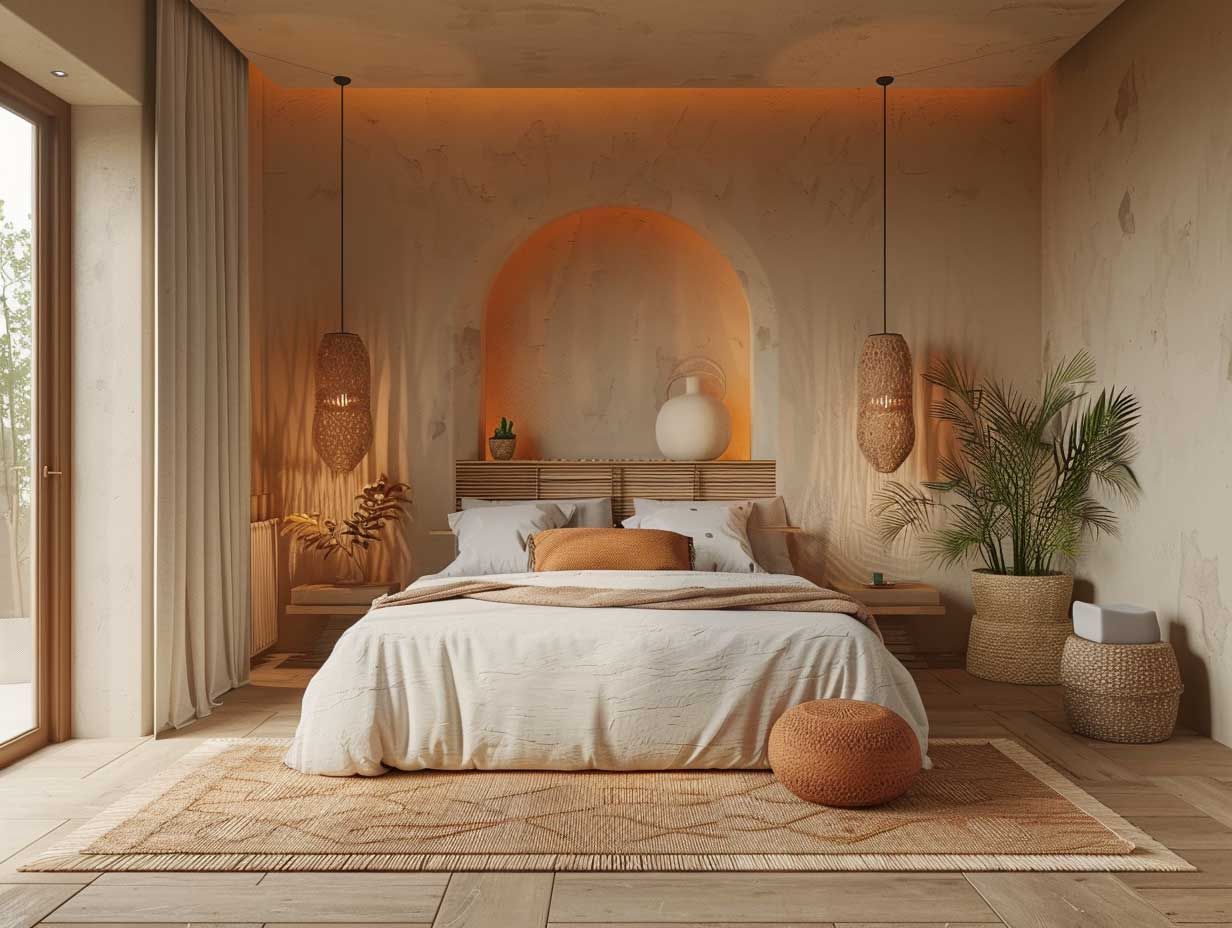
There is a quiet but meaningful shift happening in how people think about their homes. After years of ultra-minimalist, all-white, Instagram-curated spaces, many homeowners are stepping back and asking a more honest question: does this space actually feel good to live in?
Earthy home decor has grown significantly in appeal because it answers that question differently. Rather than prioritizing how a room photographs, it prioritizes how a room feels. Research in environmental psychology supports this — repeated exposure to natural materials and earth tone interiors has been shown to lower cortisol levels and improve overall mood, even when experienced indoors.
A homeowner recently described how replacing synthetic cushions with hand-woven jute ones and adding a few indoor plants changed how her family actually used their living room. They started spending more time there. They stayed longer. Small changes, but the effect was real. That is what a grounding home aesthetic does — it makes people want to be present in the space.
9 Practical Ways to Bring Earthy Home Decor Into Your Space
1. Start With an Earth Tone Color Palette
Color does a significant amount of work before a single piece of furniture enters the room. With earthy home decor, the palette sets the entire emotional tone of the space.
Earth tones stretch well beyond brown. They include warm terracotta, dusty olive, burnt sienna, raw cream, stone grey, sand, rust, and deep clay. These shades resonate because they echo the natural landscape — the color of soil after rain, dried riverbed grasses, sun-worn canyon walls. They feel familiar in a way that synthetic colors simply do not.
A reasonable starting point is to paint one accent wall in warm terracotta or muted ochre, then layer in cream and warm beige across the larger surfaces. Let natural wood tones carry the brown. The shift in energy is often immediate and more dramatic than expected.
2. Use Natural Materials in Every Layer
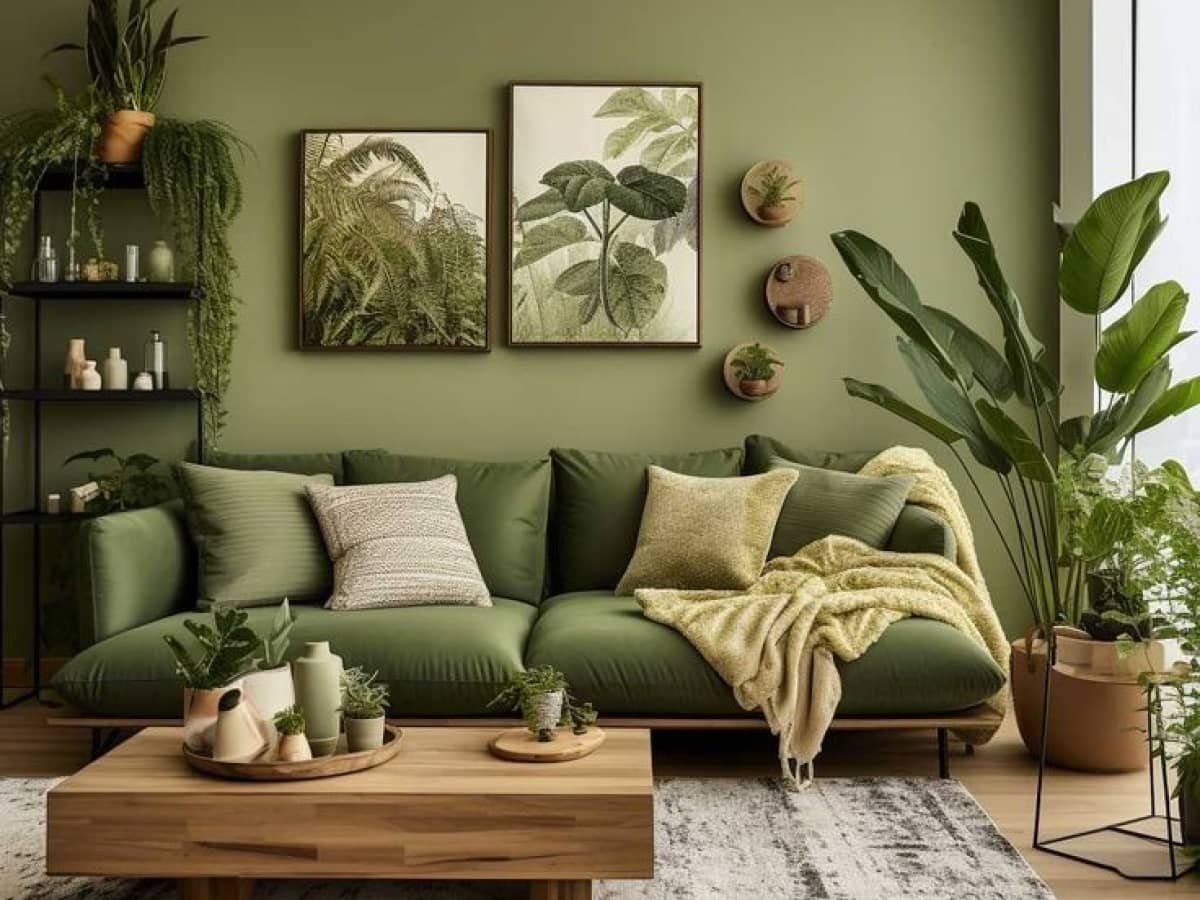
Color alone cannot carry an earthy aesthetic. The materials you choose are what create the tactile, grounded quality that makes people emotionally respond to a space.
A few straightforward material swaps make a considerable difference:
- Replace synthetic area rugs with jute, sisal, or wool alternatives
- Swap plastic or glass decorative items for ceramic, clay, or stone pieces
- Choose linen or cotton curtains rather than polyester blends
- Use rattan or bamboo baskets for visible storage
- Bring in reclaimed wood for shelving or accent furniture
The underlying principle is simple: give every surface something natural to communicate. When someone reaches out and touches a rough-hewn wooden shelf or a woven basket, that physical texture signals “natural” in a way that painted particleboard never will.
3. Incorporate Indoor Plants Thoughtfully
Greenery is a core part of natural home decor, but the way you use it matters. There is a noticeable difference between dropping a plastic pot in a corner and actually integrating plants as a considered design element.
Grouping plants at varied heights creates visual rhythm and a layered, organic quality. A trailing pothos on a high shelf, a fiddle-leaf fig in a terracotta pot at floor level, and a compact succulent arrangement on a side table work together in a way that individual plants placed randomly simply do not. Choosing planters made from clay, unglazed ceramic, or woven materials keeps the overall aesthetic consistent.
Beyond the visual contribution, plants do something no manufactured object can — they bring a living, breathing presence into the room.
4. Layer Textures to Add Depth
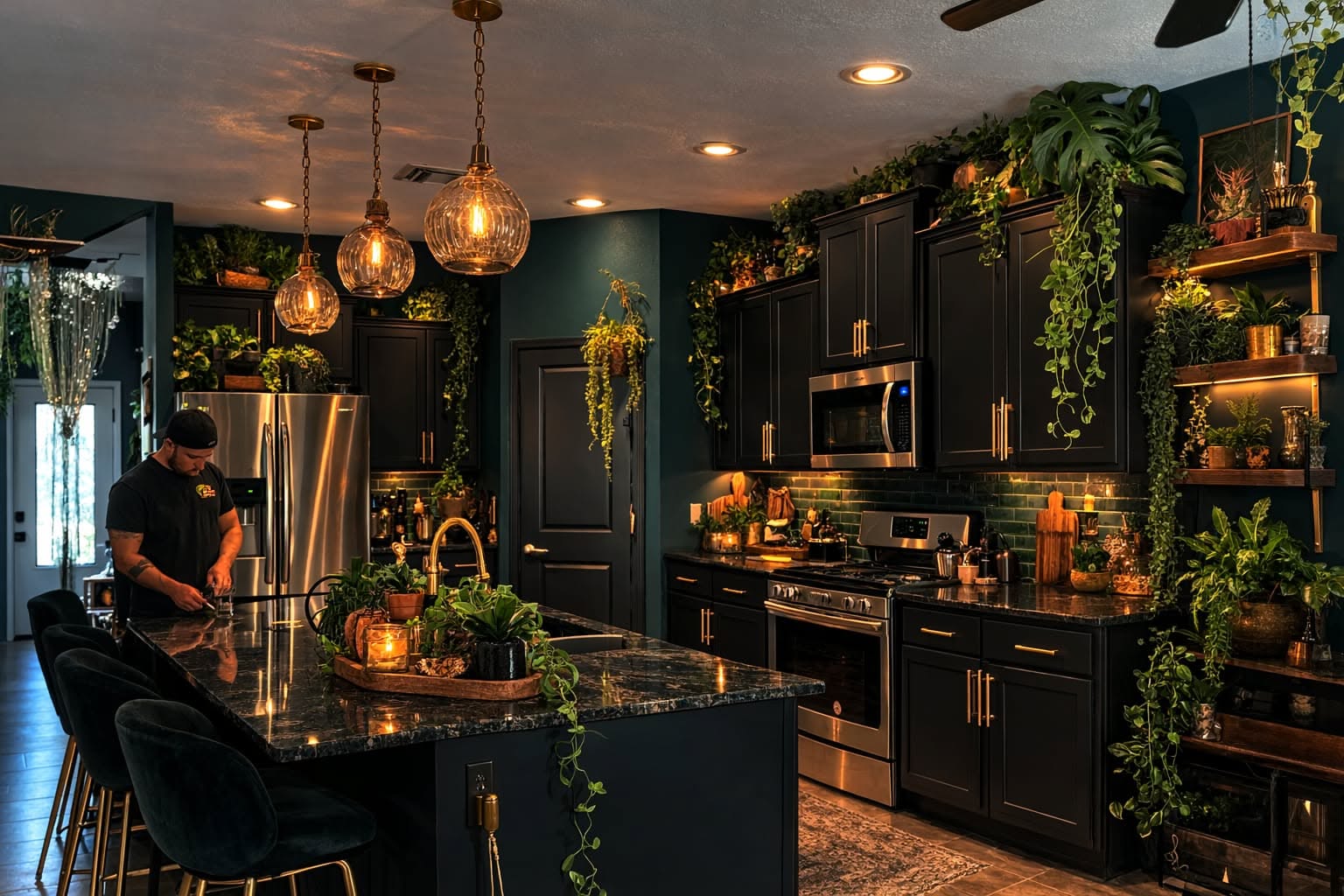
One of the more common errors when building earthy interiors is keeping all surfaces at the same level of smoothness. Even a beautifully colored room will feel flat and uninviting if every surface has the same finish.
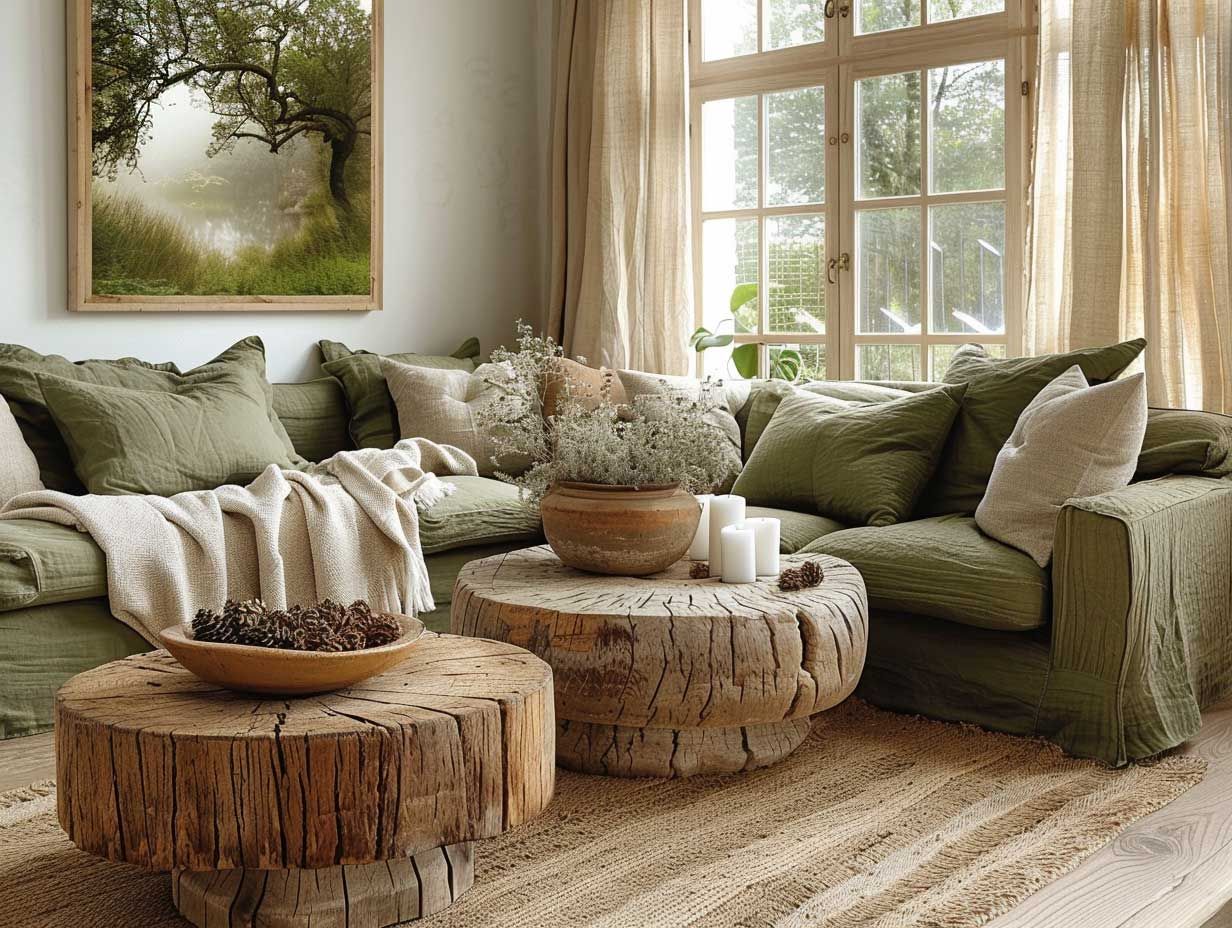
Layering natural textures decor is what gives a space genuine warmth and visual complexity. Picture a linen sofa with a chunky knit throw draped across one arm, a woven jute rug underneath, a rough ceramic vase on a wooden side table, and a sheepskin over the seat of an armchair. Each surface offers something different. The room becomes interesting to look at and comfortable to be in.
There is no need to achieve this all at once. Adding one new texture at a time lets you see how each element changes the space before committing to the next.
5. Choose Handmade and Artisan Pieces
Mass-produced items offer consistency. Handmade pieces offer character. And character is precisely what earthy home decor requires to feel authentic rather than assembled.
Artisan pottery, hand-thrown ceramics, woven wall hangings, carved wooden bowls, and hand-poured candles carry a quality that factory production cannot replicate. A slight variation in glaze, the visible texture of a hand-woven basket, the natural edge of a stone coaster — these are the details that make a room feel genuinely personal. They signal that someone made considered choices rather than simply filling space.
Local markets, regional craft fairs, and small independent makers are worth seeking out. The pieces tend to be more original, and there is an added satisfaction in knowing the object came from a real person’s hands.
6. Bring In Natural Light and Warm Lighting
Lighting is frequently overlooked in discussions about organic interior design, and yet it has an enormous influence on how earth tones actually read in a room. Cool, harsh white light drains warmth from terracotta walls and wooden surfaces. Warm, amber-toned light is what makes those same surfaces come alive.
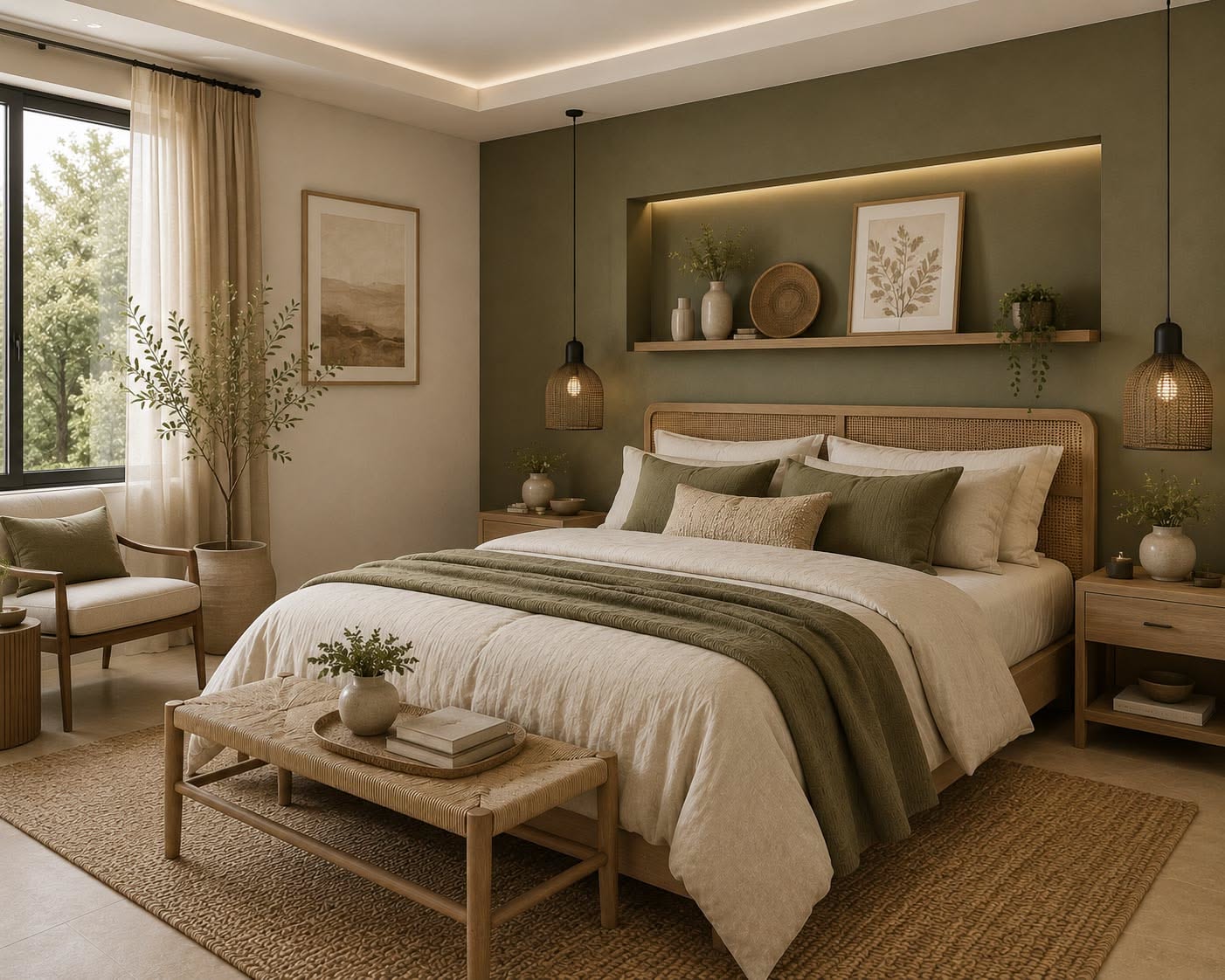
During the day, maximize natural light by using sheer linen curtains rather than heavy blinds. In the evenings, layer your light sources — a floor lamp with a warm bulb, candles on a dining or coffee table, and softer accent lighting in corners. The combination creates ambient depth rather than flat, uniform brightness.
For anyone choosing bulbs: anything rated 2700K or below will complement warm neutral decor far more effectively than cooler alternatives on the Kelvin scale.
7. Use Stone and Mineral Accents
Natural stone is one of the most underused elements in sustainable home decor, and it is quietly one of the most effective. Even modest touches of real stone carry a visual weight and permanence that most decorative objects lack.
A marble or slate tray on a coffee table. River stones arranged as a simple accent. A travertine slab used as a serving board. Concrete planters along a windowsill. Stone brings grounding to a room in a very literal sense — it suggests something enduring and rooted, which reinforces the entire earthy aesthetic.
There is no need to commit to a full stone feature wall. Thoughtfully placed mineral accents are enough to shift the atmosphere of a space.
8. Declutter With Purpose
Earthy interiors are neither maximalist nor aggressively minimal. The approach that works is intentional curation — keeping only what either serves a practical function or carries genuine meaning.
Walking through each room with an honest eye helps. Ask whether each object adds warmth or visual noise. Replace anything synthetic or visually jarring with something natural. A stack of well-read books on a wooden crate reads as more authentically earthy than a chrome-legged side table, even though they occupy roughly the same footprint.
When the clutter is cleared, the natural materials and textures you have introduced have space to register. The room feels considered rather than accumulated.
9. Work With What You Already Have
Most decor guides skip this part, and that is a real gap. Earthy home decor is not about replacing everything — it is about editing what already exists and layering in what is missing.
That sofa you already own? A warm linen throw changes its entire character. Those existing shelves? Remove the plastic objects, add two clay pots and a small stack of books, and the shelf becomes something else entirely. An older side table can be sanded down and finished with a warmer wood stain in an afternoon. These are not workarounds — they are genuinely good design decisions that happen to cost very little.
Earthy Home Decor by Room: A Quick Reference Guide
| Room | Key Materials | Color Focus | One Easy Win |
|---|---|---|---|
| Living Room | Linen, jute, wood, ceramic | Terracotta, warm beige | Add a woven area rug |
| Bedroom | Cotton, wool, rattan | Dusty sage, warm cream | Replace synthetic pillowcases with linen |
| Kitchen | Stone, clay, wood | Sand, ochre, olive | Display a wooden cutting board as decor |
| Bathroom | Bamboo, stone, ceramic | Warm white, grey, slate | Add terracotta pots with small plants |
| Home Office | Cork, wood, wool | Warm neutral, forest green | Introduce a cork board and wood desk accessories |
Common Mistakes That Work Against the Earthy Aesthetic
Even with genuine effort and good intentions, a handful of common errors can quietly undermine everything you are building. These are worth knowing in advance.
Going too dark too quickly is perhaps the most frequent issue. Earth tones can feel heavy when the deeper shades — charcoal, dark wood, deep brown — dominate without balance. Every dark element needs a lighter, warmer counterpart to keep the space from closing in.
Mixing too many competing textures is another pitfall. Layering works beautifully when there is a consistent thread running through the choices. Without that, the room reads as busy rather than rich. Limiting yourself to three or four core textures and repeating them throughout creates cohesion.
Ignoring ceilings and floors is a missed opportunity that is surprisingly common. A warm-toned area rug or natural wood flooring makes more impact on the overall atmosphere than a dozen smaller accessories placed elsewhere in the room.
Finally, buying synthetic pieces that only look earthy undermines the entire effort. A faux-rattan basket made from plastic, or a resin pot styled to look like concrete, does not carry the same sensory weight as the real material. The difference is subtle but consistently felt.
Frequently Asked Questions About Earthy Home Decor
Is earthy home decor expensive to achieve?
Not at all. Many of the most effective changes cost very little — adding a jute rug, repainting one wall, or swapping out synthetic cushion covers for linen ones. Building the look gradually, by prioritizing natural materials whenever you replace existing items, keeps the investment manageable over time.
Can earthy home decor work in a small apartment?
It often works better in smaller spaces than people expect. Warm tones and natural textures create a sense of coziness that makes compact rooms feel intentional rather than cramped. Start with lighter earth tones — soft creams, warm whites, and muted sage — as the foundation, then layer in texture through rugs, cushions, and a few well-placed plants.
How does earthy home decor differ from rustic decor?
Rustic decor tends toward the raw and rugged — exposed brick, heavily weathered wood, vintage industrial elements. Earthy home decor is a broader and generally more refined category. It can include rustic elements, but it also draws from organic modern design, Japandi-influenced minimalism, and Mediterranean warmth. The consistent thread is always natural materials and colors rooted in the natural landscape, regardless of the specific stylistic direction.
What plants work best in earthy interiors?
Plants with interesting organic shapes or pronounced textures tend to complement earthy interiors most naturally. Fiddle-leaf figs, olive trees, snake plants, monstera, bird of paradise, trailing pothos, and various cacti all work well. Pairing them with terracotta, unglazed ceramic, or woven planters keeps the overall look cohesive and grounded.
Does earthy decor have to stay neutral?
No, and this is a misconception worth addressing directly. While warm neutrals form the structural foundation of most earthy interiors, deeper shades — forest green, rich rust, warm mustard — sit comfortably within the same spectrum. The defining quality is not neutrality but origin. Colors that feel drawn from the natural world, rather than from a synthetic palette, belong in an earthy space.
Conclusion: Give Your Home Permission to Feel Real
Earthy home decor is not a trend cycling through its moment. Trends move on. What nature-inspired, grounding home aesthetics offer is something more lasting — a home that functions as a genuine refuge rather than a visual exercise.
The real goal here is not a perfect room. It is a space that slows you down when you walk through the door, that reflects something true about your life through the materials and objects you have chosen, that feels inhabited rather than staged.
Start with one change. One room. One wall. One material swap. A jute rug, a terracotta planter, a linen curtain panel left open to let the afternoon light in. Take that single step this week. The rest builds from there, gradually and naturally, the way good things usually do.
Your home already has the potential. It simply needs the right foundation to stand on.