Your tomatoes look pale. The edges of your pepper leaves are turning brown and crispy. You’ve watered thoroughly, inspected for pests, even adjusted your watering schedule — yet the problem keeps returning. Sound familiar? In most cases, the real culprit is not on the surface at all. It’s a potassium deficiency quietly working against your plants underground.
What makes this particularly frustrating is that many gardeners respond by reaching for synthetic fertilizers. They work quickly, yes — but over time, they disrupt the microbial life in your soil and leave behind chemical salts that build up season after season. There is a more sustainable path. Choosing a high potassium fertilizer organic option addresses the deficiency while actually improving your soil’s long-term health. No shortcuts. No side effects.
This guide walks through why potassium matters more than most people realize, how to recognize when your plants are running low, and which seven organic sources deliver the best results.
Why Potassium Is the Most Overlooked Nutrient in Organic Gardening
Nitrogen gets most of the attention in garden conversations. It greens up leaves fast and shows visible results quickly. Phosphorus comes up during planting season, praised for supporting root development. But potassium — sitting quietly as the third element in that NPK ratio on every fertilizer label — does some of the most essential and least appreciated work in your entire garden.
At the cellular level, potassium controls how water moves through plant tissue. It regulates the stomata, those microscopic pores on leaf surfaces that manage both water loss and carbon dioxide intake. Without adequate potassium, this process breaks down. Cell walls weaken. Plants become more vulnerable to drought stress, frost damage, and fungal infection. The movement of sugars from leaves to developing fruits and roots slows considerably, and the effects ripple outward into every part of the plant’s performance.
For fruiting and root crops — tomatoes, peppers, potatoes, squash, and carrots — this nutrient is not optional. It is foundational. That is precisely why selecting the right high potassium fertilizer organic source can genuinely separate a frustrating season from a productive one.
How to Know If Your Plants Need More Potassium
Before making any changes to your soil, it pays to understand what you are actually dealing with. A soil test is the most reliable starting point. Most local agricultural extension offices can process one for under $20, and the information you receive is worth considerably more than that investment.
That said, your plants will often show you what they need before a lab report arrives. These are the signs worth watching for:
- Leaf scorch — brown, crispy edges appearing first on older, lower leaves
- Interveinal yellowing — the tissue between leaf veins turns yellow while the veins themselves stay green
- Weak, thin stems that struggle to hold the weight of developing fruit
- Poor fruit set — flowers drop early or fail to develop
- Higher disease pressure — more frequent blight, powdery mildew, or general fungal problems
When two or more of these symptoms appear together, low soil potassium is a reasonable conclusion. The next step is correcting it with a high potassium fertilizer organic amendment — one that feeds the plant and rebuilds soil structure at the same time.
The 7 Best High Potassium Fertilizer Organic Sources
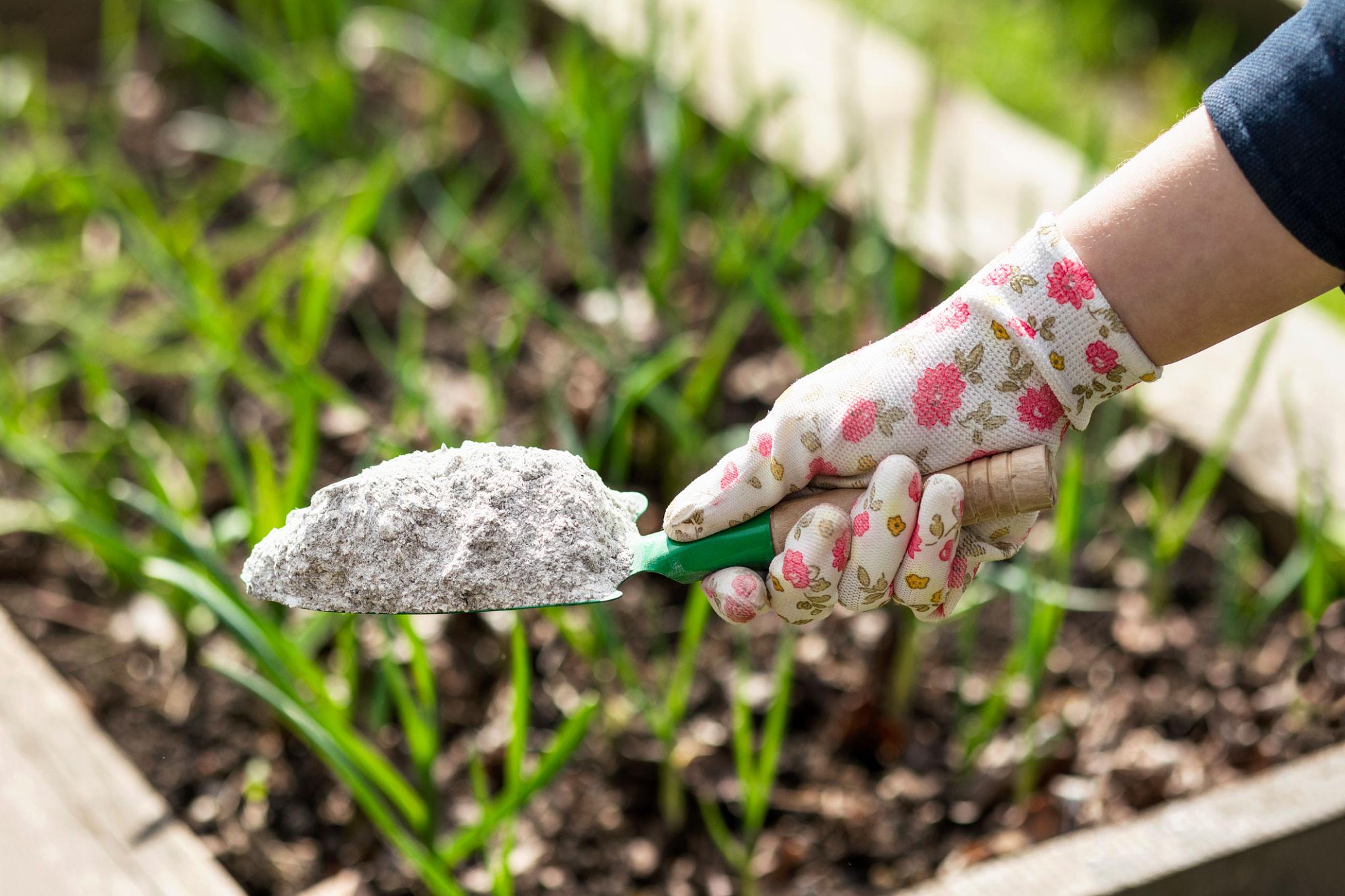
1. Wood Ash — The Backyard Classic
Few soil amendments have a longer track record than wood ash. Generations of farmers used it long before commercial fertilizers existed, and the practice holds up for good reason. Wood ash contains 3–7% potassium in the form of potassium carbonate, along with calcium and a range of trace minerals that benefit soil biology.
Application is straightforward. A light, even dusting of roughly ¼ to ½ cup per square foot is sufficient for most garden beds. Because wood ash is strongly alkaline — sitting between pH 9 and 11 — it raises soil pH fairly quickly. This is beneficial for brassicas and many root vegetables, but it makes wood ash a poor choice for acid-loving plants like blueberries, rhododendrons, or azaleas. If your soil is already at or above neutral pH, use it with care and test annually.
Best for: Brassicas, root vegetables, established lawns
2. Kelp Meal — Slow-Release Ocean Nutrition
Kelp meal is dried, ground seaweed, and among all high potassium fertilizer organic inputs, it is one of the most nutritionally complete. The potassium content itself — typically 1–2% — is relatively modest. But kelp meal brings over 60 trace minerals to the soil along with natural plant hormones called cytokinins. These compounds stimulate root development, help plants manage heat and drought stress, and improve overall vigor in ways that a straightforward potassium supplement simply cannot.
Because kelp meal breaks down slowly over several months, it functions better as a long-term soil builder than as a fast response to visible deficiency. Work it into planting beds each spring at a rate of about 1 pound per 100 square feet, and let it do its job quietly beneath the surface.
Best for: All fruiting crops, transplants, plants recovering from stress
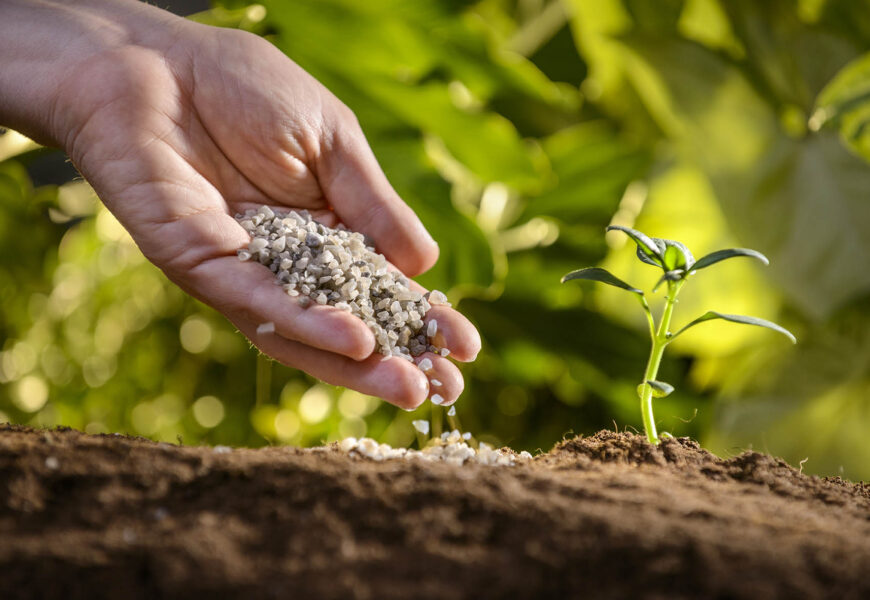
3. Greensand — The Long Game Amendment
Greensand is a marine mineral harvested from ancient ocean floor deposits. Its primary active compound, glauconite, releases potassium gradually over a period of years rather than weeks. With a potassium content of roughly 3–5%, greensand is not the right choice when you need rapid correction — but for building durable, long-term soil fertility, it is hard to beat.
It is also one of the few high potassium fertilizer organic amendments that hold full approval under USDA National Organic Program standards for certified organic operations. Beyond potassium, greensand improves soil texture in both clay and sandy soils, helping either type move toward a more balanced structure. Apply it in fall, worked well into the bed, so it has the entire dormant season to begin breaking down before your spring plantings go in.
Best for: Long-term potassium reserves, improving clay and sandy soil structure
4. Compost — More Valuable Than Most Gardeners Realize
Compost rarely comes to mind when gardeners think about potassium, but well-made compost — particularly when it includes fruit and vegetable scraps, banana peels, and plant debris — can be a meaningful potassium source. Mature compost typically contains 0.5–1.5% potassium, varying based on its ingredients.
The deeper value of compost, though, is what it does for your soil’s cation exchange capacity, or CEC. Think of CEC as your soil’s ability to hold nutrients and make them available to plant roots. Soils with low CEC lose potassium to leaching quickly, regardless of how much you apply. By consistently adding compost, you increase organic matter, raise CEC, and create conditions where every other high potassium fertilizer organic input you apply becomes significantly more effective. It is the foundation everything else builds on.
Best for: All gardens, all crop types — there is no situation where compost does not help
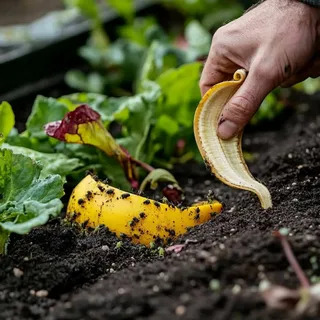
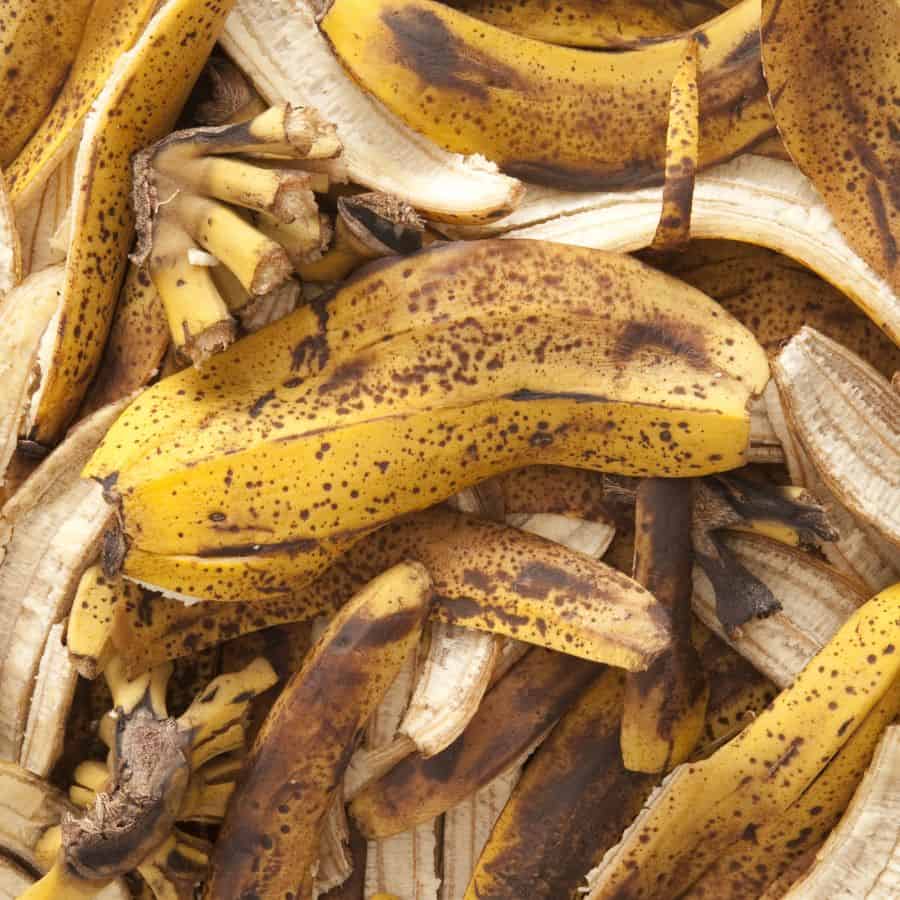
5. Banana Peel Fertilizer — Small but Genuinely Useful
Banana peels have earned a fair amount of attention in gardening circles, and the interest is not entirely without basis. On a dry weight basis, banana peels contain roughly 35–50% potassium, making them one of the most potassium-concentrated materials most people have sitting in their kitchen.
The question is delivery. Burying whole peels near root zones works, but the process is slow and inconsistent. A more effective approach: dry the peels fully, grind them into a coarse powder, and apply that powder around the drip line of your plants. Alternatively, simmer the peels in water for 20–30 minutes, strain the liquid, let it cool, and apply it as a dilute foliar feed or soil drench. This approach will not replace a structured high potassium fertilizer organic amendment program, but used regularly between applications, it adds meaningful supplemental nutrition without any cost.
Best for: Roses, tomatoes, fruiting plants during the flowering and fruit-set window
6. Sulfate of Potash (SOP) — Organic-Approved and Reliably Fast
Sulfate of potash, also labeled as potassium sulfate, is a naturally mined mineral with a potassium content of 40–50% — the highest concentration of any high potassium fertilizer organic option covered here. When sourced from natural deposits, it qualifies for use in certified organic production. It moves into the root zone relatively quickly after watering, making it well-suited for correcting visible deficiency during the growing season.
One important distinction: SOP does not contain chloride, unlike muriate of potash (potassium chloride). This matters for chloride-sensitive crops such as berries, grapes, and some specialty vegetables, where chloride accumulation can cause tip burn and reduce fruit quality. SOP also contributes sulfur, a beneficial secondary nutrient for brassicas and alliums. For situations where speed and concentration matter, this is often the most reliable choice.
Best for: In-season deficiency correction, berries, grapes, high-value specialty crops
7. Langbeinite (K-Mag) — Three Problems Solved at Once
Langbeinite is a naturally occurring evaporite mineral that delivers potassium, magnesium, and sulfur simultaneously — all in plant-available forms. A typical analysis shows approximately 18% potassium, 11% magnesium, and 22% sulfur. For gardens where more than one deficiency is present, this combination is remarkably efficient.
Magnesium is often overlooked, but it sits at the center of every chlorophyll molecule in every leaf on every plant. Sandy soils and heavily irrigated beds frequently run low on it. Using langbeinite as your high potassium fertilizer organic amendment in those conditions means you are correcting potassium and magnesium simultaneously with a single application — a practical advantage that reduces both cost and labor.
Best for: Sandy or leached soils, magnesium-deficient gardens, tomatoes and peppers
Potassium Fertilizer Comparison Table
| Source | K Content | Release Speed | pH Effect | Best Application |
|---|---|---|---|---|
| Wood Ash | 3–7% | Fast | Raises pH | Surface broadcast |
| Kelp Meal | 1–2% | Slow | Neutral | Soil incorporation |
| Greensand | 3–5% | Very Slow | Neutral | Fall amendment |
| Compost | 0.5–1.5% | Moderate | Slight raise | Topdress or mix-in |
| Banana Peel Powder | High (dry weight) | Moderate | Neutral | Side-dress |
| Sulfate of Potash | 40–50% | Moderate-Fast | Slightly lowers | Broadcast or dissolve |
| Langbeinite (K-Mag) | 18% | Moderate | Neutral | Soil incorporation |
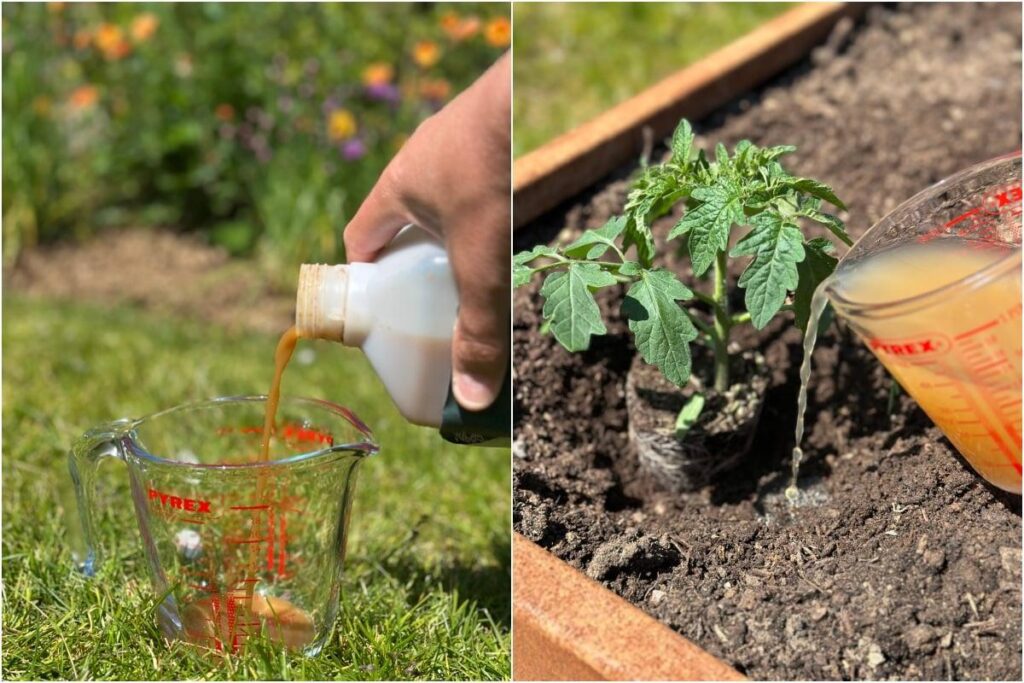
How to Apply High Potassium Fertilizer Organic Amendments Correctly
Identifying the right high potassium fertilizer organic source is a meaningful first step, but application timing and method determine whether that input actually reaches your plants in a useful form.
Match the amendment to the timeline. Slow-release materials like greensand and kelp meal need time. Applying them in fall or early spring gives them the window they need to begin breaking down before your plants need them most. Fast-acting options like sulfate of potash can be applied mid-season when symptoms appear and quicker correction is the priority.
Always soil test before amending. Excess potassium is a real problem, not just a theoretical one. High potassium levels compete with calcium and magnesium for uptake by plant roots, which can create secondary deficiencies in nutrients that were previously adequate. A soil test removes the guesswork and tells you precisely how much to apply.
Water amendments in after application. Potassium is water-soluble and needs moisture to move from the soil surface down into the root zone where plants can access it. After broadcasting any dry amendment, water the area thoroughly rather than waiting for rain.
Consider what each crop actually needs. Fruiting crops like tomatoes and peppers have their greatest potassium demand during flowering and fruit set — not at transplanting. Timing a high potassium fertilizer organic application to meet that peak demand window will produce noticeably better results than a single early-season application. Leafy greens have lower requirements. Root crops like potatoes and carrots need consistent, steady availability throughout the growing season.
Real-World Example: A Market Gardener’s Potassium Protocol
A small diversified market farm in central Pennsylvania spent two seasons dealing with persistent blossom end rot in their tomato crop. Despite maintaining adequate irrigation and applying balanced compost each year, the problem continued. A detailed soil test eventually revealed the cause: calcium levels were fine, but plant-available potassium was critically low.
The grower made three changes. First, greensand was worked into the tomato beds each fall during bed preparation, building a slow-release reserve for the season ahead. Second, kelp meal was applied at transplanting to support root establishment and provide trace minerals. Third, sulfate of potash was side-dressed around each plant when the first flower clusters began to open — precisely when potassium demand peaks.
By mid-summer of the following season, blossom end rot incidence had fallen by close to 80%. Beyond that, fruit set was more consistent, and the tomatoes developed noticeably thicker skin — an important quality for a market operation where produce needs to hold up during transport and display. That kind of result is what becomes possible when the right high potassium fertilizer organic inputs are applied at the right moments in the plant’s growth cycle.
FAQs
Is wood ash safe to use as a high potassium fertilizer organic source every year?
Yes, with appropriate restraint. Annual applications of up to 20 pounds per 1,000 square feet are considered reasonable for most garden soils. Because wood ash raises pH with each application, testing your soil before reapplying each year is important. If your pH is already climbing above 7.0, hold off until it comes back down. The goal is consistent, measured use — not heavy annual doses.
Can I use multiple high potassium fertilizer organic sources at the same time?
Yes, and in many cases that is the most practical approach. Combining a fast-acting source like sulfate of potash with a slow-release one like greensand gives you immediate plant-available potassium alongside reserves that will carry through future seasons. The main caution is to avoid applying so much potassium at once that it interferes with calcium and magnesium uptake. A soil test before combining sources keeps you on the right side of that balance.
How long does it take to see results from organic potassium amendments?
The timeline depends entirely on which amendment you use. Sulfate of potash typically produces visible improvement within two to three weeks of application. Greensand, on the other hand, may take a full growing season or longer before its contribution becomes measurable in a soil test. For gardens managing an active deficiency alongside long-term soil building, layering different high potassium fertilizer organic types is the most effective strategy.
What’s the best high potassium fertilizer organic option for container gardening?
Containers present a specific challenge because nutrients leach out with every watering. Kelp meal tea — kelp meal steeped in water overnight and strained — works well because it delivers potassium and trace minerals in liquid form, allowing precise dosing. Banana peel extract prepared similarly is a useful supplement. If faster correction is needed, sulfate of potash dissolved at roughly half the recommended rate for in-ground applications is effective without overwhelming the small soil volume in a container.
Does organic potassium fertilizer leach out of soil quickly?
In sandy soils with low organic matter content, yes — potassium can leach relatively quickly, particularly with frequent irrigation or heavy rainfall. The most reliable long-term solution is increasing soil organic matter through consistent compost additions. As organic matter rises, so does the soil’s cation exchange capacity, which determines how well the soil holds potassium between feedings. Compost is not a dramatic or fast fix, but it is the one amendment that makes every other input work more efficiently over time.
Conclusion: Feed the Soil, Feed the Plant
Potassium does not produce the kind of immediate, visible results that make nitrogen so satisfying to apply. There is no sudden burst of green growth, no dramatic change you can photograph and post. What potassium does is quieter and more fundamental — it keeps water moving, keeps cells strong, keeps fruit developing the way it should, and keeps your plants resilient enough to handle the stress that every growing season inevitably brings.
Choosing the right high potassium fertilizer organic source for your specific soil type, crop selection, and seasonal goals is one of the more thoughtful investments you can make in your garden’s productivity. Whether you begin with something as accessible as wood ash or build a layered program using greensand, kelp meal, and sulfate of potash, you are contributing to a soil that becomes more capable with each passing year — not less.
Your action step this week: Order or request a soil test from your local extension office. It costs less than a single bag of fertilizer and gives you the specific information your garden actually needs. Once you have the results, return to this list and choose one high potassium fertilizer organic amendment that fits your situation. Start there, apply it correctly, and build from that foundation.