Picture this: you take a small branch from your grandmother’s rose bush, press it into moist soil, water it gently, and step back. Three weeks later, a brand-new plant is pushing through. No seeds. No pollination. No waiting months for something to sprout. Just a living, breathing copy of the original plant — grown from almost nothing.
That is asexual propagation in action. And once you truly understand how it works, you will look at every plant in your garden with fresh eyes.
Whether you are a home gardener trying to multiply a few beloved houseplants or a nursery professional managing large-scale production, knowing what is asexual propagation — and how to apply it — is one of the most practical, rewarding skills you can build. It is faster than growing from seed, far more consistent, and gives you a level of control over your plants that seed-based growing simply cannot match.
What Is Asexual Propagation? A Clear, Simple Explanation
So, what is asexual propagation exactly? At its core, it is the process of creating new plants from a single parent plant — without seeds and without any sexual reproductive process involved. The offspring plant is genetically identical to the parent, which makes it, in every meaningful sense, a true clone.
Sexual reproduction works differently. It involves the union of male and female gametes, producing offspring with a mixed genetic profile — sometimes better than the parent, sometimes worse, and always unpredictable. Asexual propagation sidesteps that entirely. It draws on the vegetative parts of a plant — stems, roots, leaves, or even isolated cells in advanced laboratory settings — to generate new life.
This is why the process is also known as vegetative propagation. In horticulture, agriculture, and botany, the two terms are used interchangeably and refer to the same underlying principle.
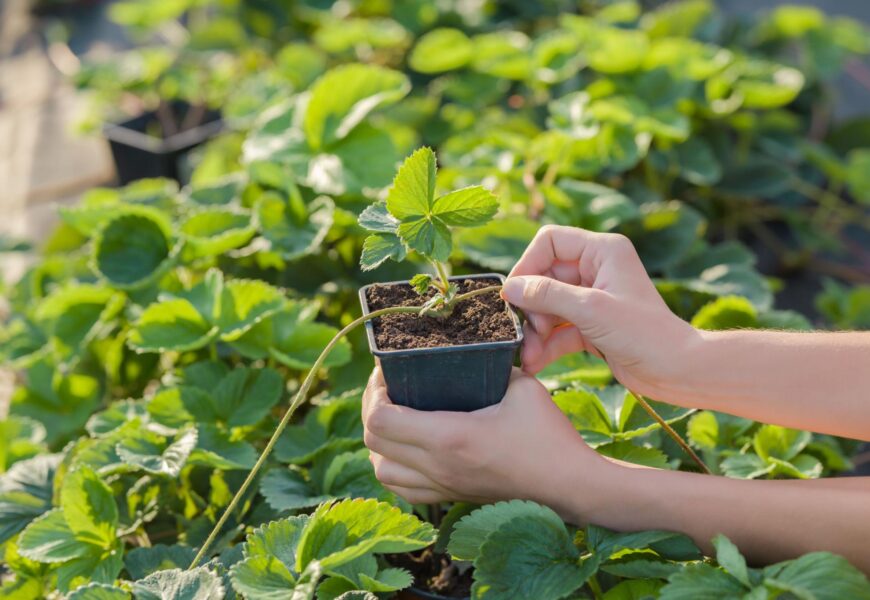
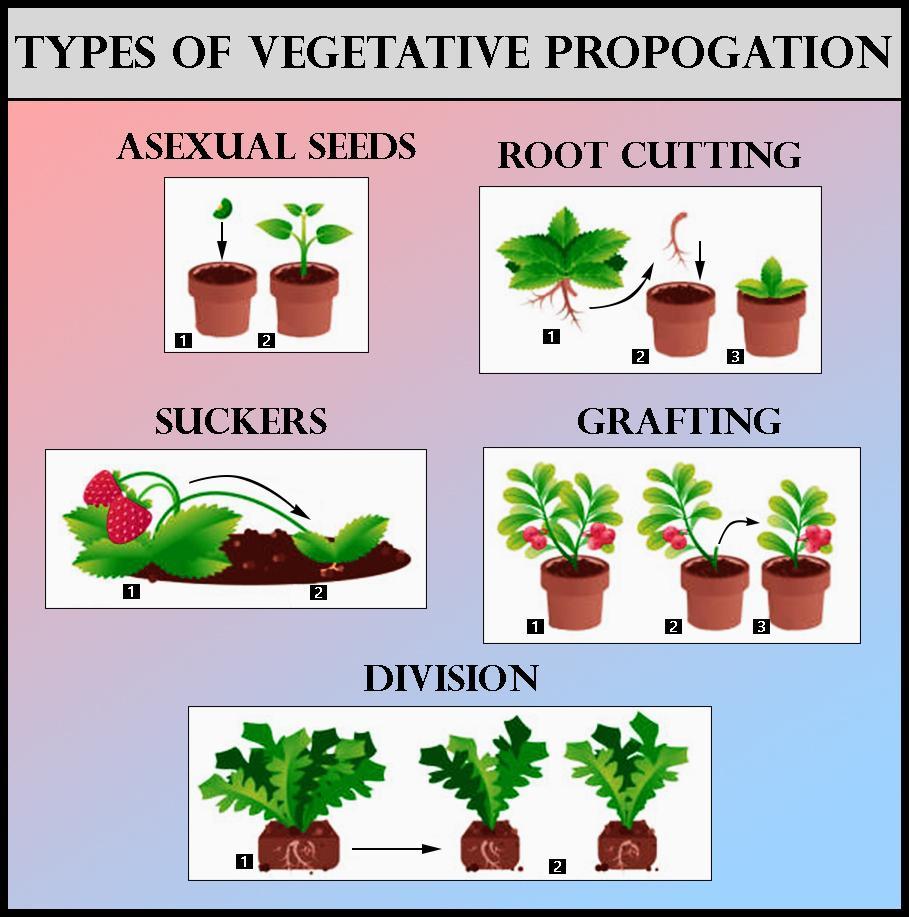
Consider a simple analogy: when a strawberry plant sends out a runner that touches the soil and quietly takes root, that is asexual propagation happening on its own terms. When a skilled farmer selects a cutting from a prize-winning apple tree and grafts it onto rootstock, that is asexual propagation being applied with intention. The biology is identical — only the human involvement changes.
Understanding what is asexual propagation also means recognizing why it carries so much practical value. The ability to reproduce a plant exactly — preserving its flavor, disease resistance, flower color, or productive yield — has shaped agriculture for centuries. It is the reason every Cavendish banana you eat tastes the same as the last one, and why heritage rose varieties that bloomed in Victorian gardens are still growing today.
How Asexual Propagation Differs from Sexual Propagation
Before moving further into methods, it helps to draw a clear distinction between the two fundamental types of plant reproduction. The differences run deeper than just technique — they affect growth speed, genetic outcomes, and the entire purpose behind choosing one approach over the other.
| Feature | Asexual Propagation | Sexual Propagation (Seeds) |
|---|---|---|
| Genetic outcome | Identical clone of parent | Genetically variable offspring |
| Speed to maturity | Generally faster | Slower (seed germination + growth) |
| Requires two parents | No | Usually yes |
| Predictability | High — traits are preserved | Lower — traits can vary |
| Used for | Preserving elite cultivars, scaling production | Breeding new varieties, biodiversity |
| Natural examples | Runners, bulbs, rhizomes | Pollination, seed dispersal |
| Lab applications | Tissue culture, micropropagation | Hybridization programs |
The core distinction is straightforward: asexual propagation is the method you turn to when you want to replicate exactly what you already have. Sexual propagation is for when you want to introduce variety, develop new cultivars, or work with plant breeding. Each has its place — knowing which to use, and when, is what separates thoughtful growers from those simply going through the motions.
Why Plants Are Naturally Built for This
Plants have been reproducing asexually for millions of years — long before humans understood what is asexual propagation or began using it deliberately. Evolution equipped them with multiple, reliable mechanisms to spread and regenerate without depending on pollinators, seeds, or favorable weather conditions.
A willow branch that breaks off and falls into a river does not simply decay. It drifts downstream, finds a bank, and puts out roots. A potato quietly sends underground stolons in every direction, swelling into new tubers. Garlic forms tight cloves. Onions produce bulblets. A spider plant hangs baby plantlets on long, arching stems — patiently waiting for soil contact so each one can become independent.
These are not accidents. They are evolved survival strategies — ways plants have developed to persist through drought, physical damage, and environmental pressure. Humans, over centuries of observation, learned to work with these same biological tendencies rather than against them.
The scientific foundation for all of this lies in a concept called totipotency — the capacity of an individual plant cell to develop into a complete, functioning organism. Most plant cells retain this potential throughout their life, which is why a small piece of stem tissue can, under the right conditions, regenerate a full root system, produce new shoots, and eventually become an entirely independent plant. It is one of the more remarkable properties in the natural world.
The 7 Main Methods of Asexual Propagation
Now that there is a clear picture of what is asexual propagation and why it works biologically, it is worth looking closely at the practical techniques used by growers at every level. Each method has specific strengths, and choosing the right one depends on the plant species, available resources, and the outcome you are working toward.
1. Stem Cuttings — The Most Widely Used Method
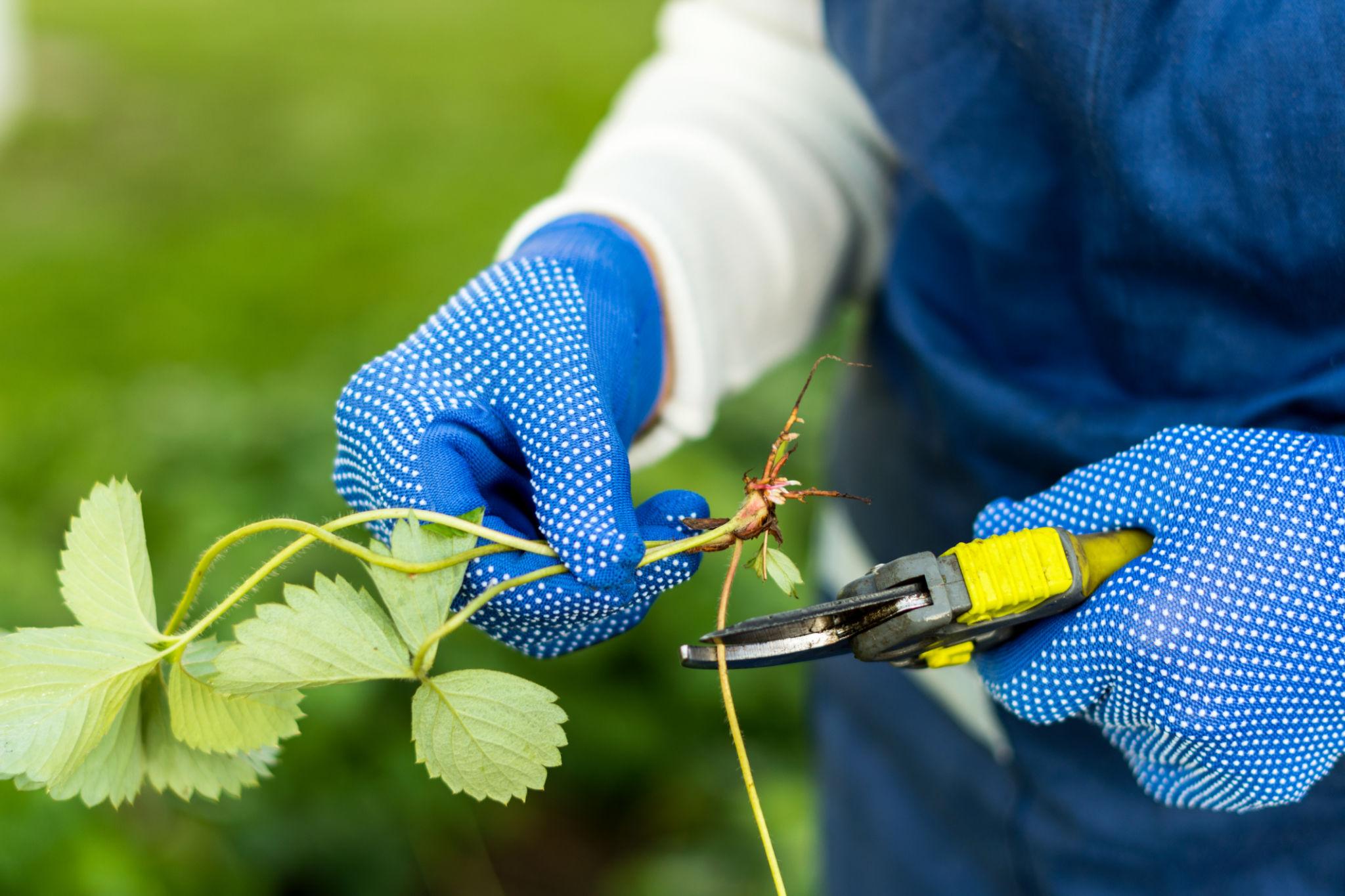
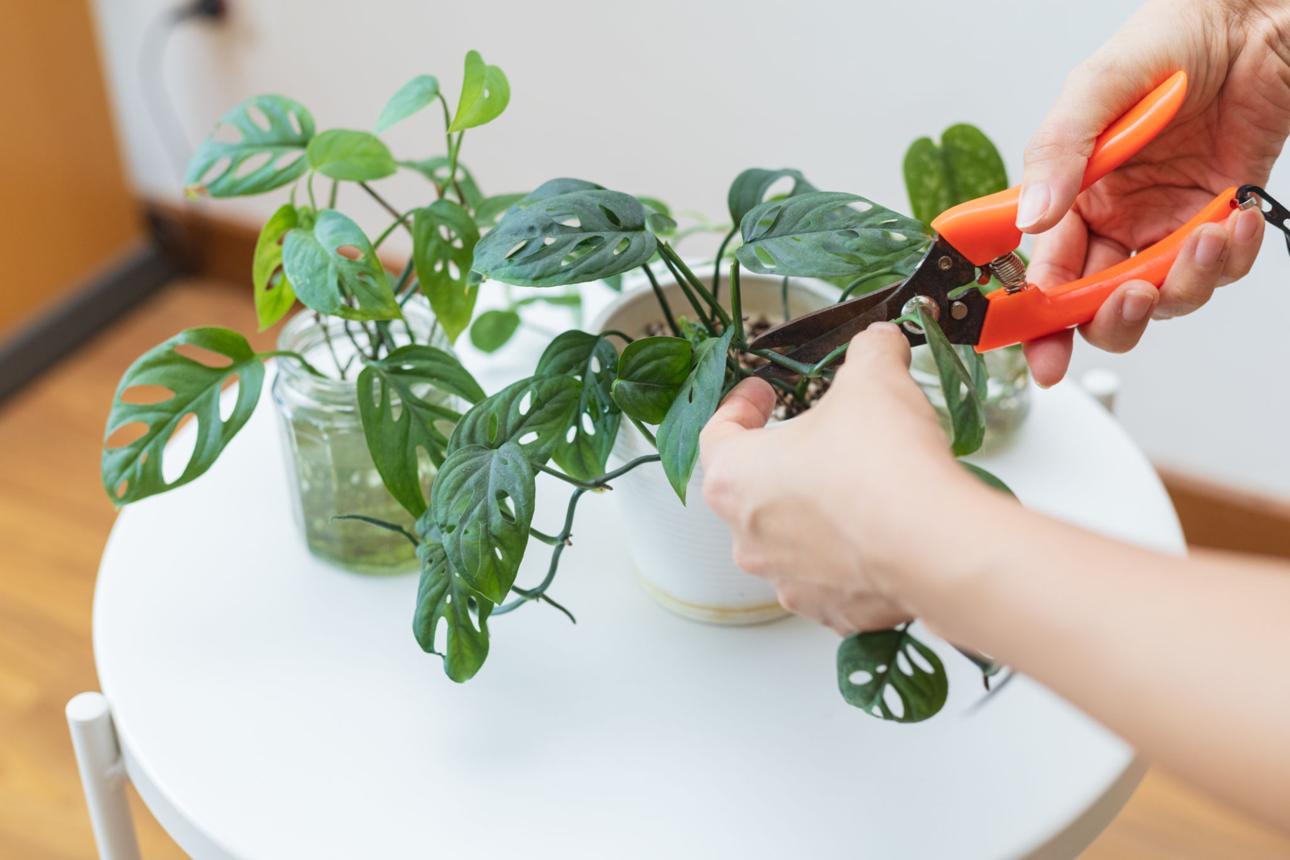
If you have ever trimmed a piece from a plant, placed it in water or compost, and watched it root, you have already practiced this technique. Stem cutting propagation is the most commonly used form of what is asexual propagation — and its popularity is well earned. It works across hundreds of plant species, demands very little equipment, and produces reliable results when done carefully.
There are three main categories:
- Softwood cuttings — taken from young, flexible new growth in spring or early summer. Well suited to herbs like basil, mint, and lavender, as well as many popular houseplants.
- Semi-hardwood cuttings — taken from partially matured stems in mid-to-late summer. Commonly used for flowering shrubs like camellias and gardenias.
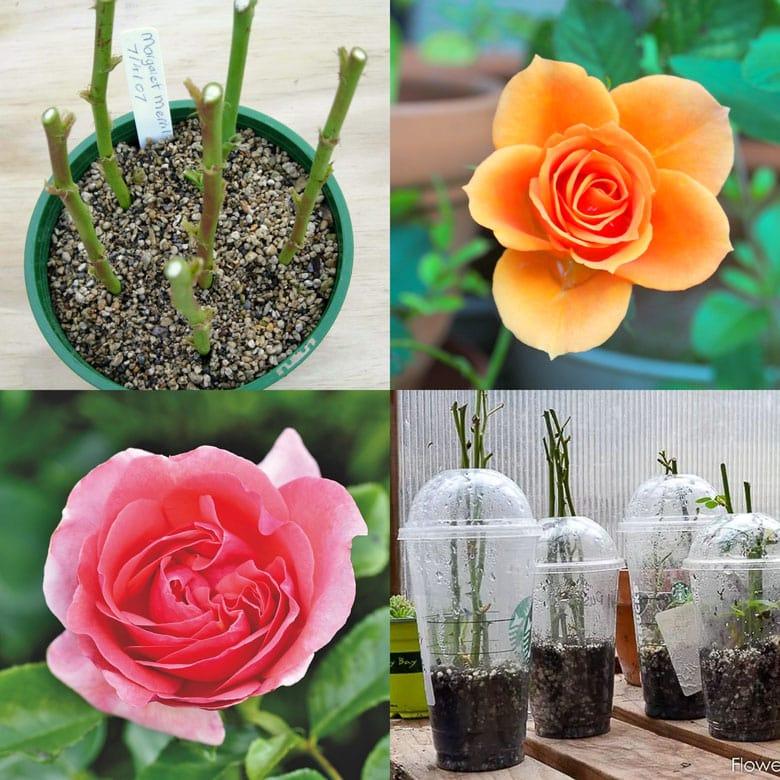
- Hardwood cuttings — taken from fully dormant, woody stems during late autumn or winter. A reliable choice for roses, currants, willows, and many fruiting bushes.
Practical tip: Always use a clean, sharp blade. A ragged cut creates an entry point for disease. Dip the cut end into a rooting hormone powder or gel — products based on indole-3-butyric acid (IBA) work particularly well — before placing the cutting into a moist propagation medium such as perlite, vermiculite, or a well-draining peat-free compost. Cover it loosely with a plastic bag or propagation dome to hold humidity, and keep the tray in bright, indirect light until roots develop.
2. Leaf Cuttings — A Surprisingly Effective Approach
The idea that an entire plant can emerge from a single detached leaf seems almost improbable. But it is one of the most reliable and accessible forms of what is asexual propagation for home gardeners — particularly those who grow succulents or certain tropical houseplants.
Succulents like Echeveria, Sedum, and Crassula are among the most well-known examples. The process is simple: remove a healthy, undamaged leaf cleanly from the stem, allow the cut end to callous over for a day or two, then lay it flat on the surface of dry succulent compost. Within a few weeks, tiny plantlets will emerge from the base of the leaf. It requires almost no intervention once set up correctly.
African violets (Saintpaulia) root reliably from leaf petiole cuttings placed in water or compost. Begonias can be propagated from cut sections of a single leaf, pinned flat against moist growing medium. Each method is slightly different, but the underlying biology — totipotency — is doing the work in every case.
3. Root Division — Straightforward and Genuinely Satisfying
Division is exactly what the name suggests: an established plant is physically separated into two or more sections, each carrying both roots and shoots, and each section is replanted independently. It is one of the oldest asexual propagation methods in existence, and it remains one of the most effective.
Perennial plants respond particularly well to this approach. Hostas, daylilies, ornamental grasses, and a wide range of garden herbs can all be divided without harm — and in most cases, the divided plants establish quickly and perform better than overcrowded originals. Rejuvenating a clump that has stopped flowering well is one of the most satisfying things a gardener can do with a simple spade.
Timing matters. For most perennials, early spring — before active growth resumes — is ideal. Early autumn works well too, giving the divisions time to establish roots before winter. Use a sharp spade or garden fork, and ensure each divided section carries enough root mass to support itself before you replant it.
4. Layering — Patience Rewarded
Layering takes a different approach to the other methods. Rather than removing plant material and then trying to establish it separately, layering encourages a stem to develop roots while it is still connected to and supported by the parent plant. The new plant is only separated once it is fully capable of surviving on its own.
It is a particularly gentle technique — and a beautiful illustration of what is asexual propagation working in alignment with how plants naturally behave.
Several variations are used in practice:
- Simple layering — a low, flexible stem is bent to the ground, partially buried at a chosen point, and held in place with a peg or stone. Roots form where the stem meets the soil, and the new plant is cut free once it is established. Climbing roses and blackberries are excellent candidates.
- Air layering — used for plants where stems cannot easily reach the ground, or for indoor specimens. A section of stem is lightly wounded, packed with moist sphagnum moss, and sealed in plastic film. Roots grow into the moss over several weeks. The stem is then cut below the rooted section and potted up. Rubber plants, magnolias, and large shrub roses respond well to this approach.
- Tip layering — the growing tip of a cane is buried shallowly in the soil. Raspberries and blackberries do this without any assistance, making it one of the most natural forms of what is asexual propagation in the home garden.
5. Grafting — The Foundation of Commercial Fruit Growing
Grafting is the technique that connects two separate plant parts — the scion, which is the desired fruiting or flowering variety, and the rootstock, selected for its root vigor, disease resistance, or influence on the plant’s final size — so that they fuse together and grow as a single, unified plant.
This is how virtually every commercially grown fruit tree in the world is produced. The apple variety you reach for at the market — Braeburn, Cox, Granny Smith — exists only because its scion has been grafted onto compatible rootstock, season after season, decade after decade. Without this technique, many of the named varieties we consider ordinary would have disappeared long ago.
Grafting requires more skill than other methods, but it is well within reach for a patient and observant home grower. The most important factor is the precise alignment of the cambium layers — the thin, actively growing tissue found just beneath the bark — of both scion and rootstock. Once aligned and bound, the union must be kept protected while it heals.
Commonly used grafting methods include whip-and-tongue grafting for thin stems, cleft grafting for larger rootstock, and budding, which transfers a single bud rather than a full shoot section. Each has its preferred application and season.
6. Bulbs, Corms, Tubers, and Rhizomes — Built-In Propagation
Many plants have evolved specialized underground storage structures whose entire purpose is to enable asexual reproduction — season after season, without any external intervention. Working with these structures is arguably the most beginner-friendly entry point into what is asexual propagation.
- Bulbs (onions, tulips, daffodils) — produce smaller offset bulbs, sometimes called daughter bulbs, at their base. These can be separated and replanted individually.
- Corms (crocus, gladiolus) — form small cormlets around the base of the parent structure, each capable of developing into a new plant.
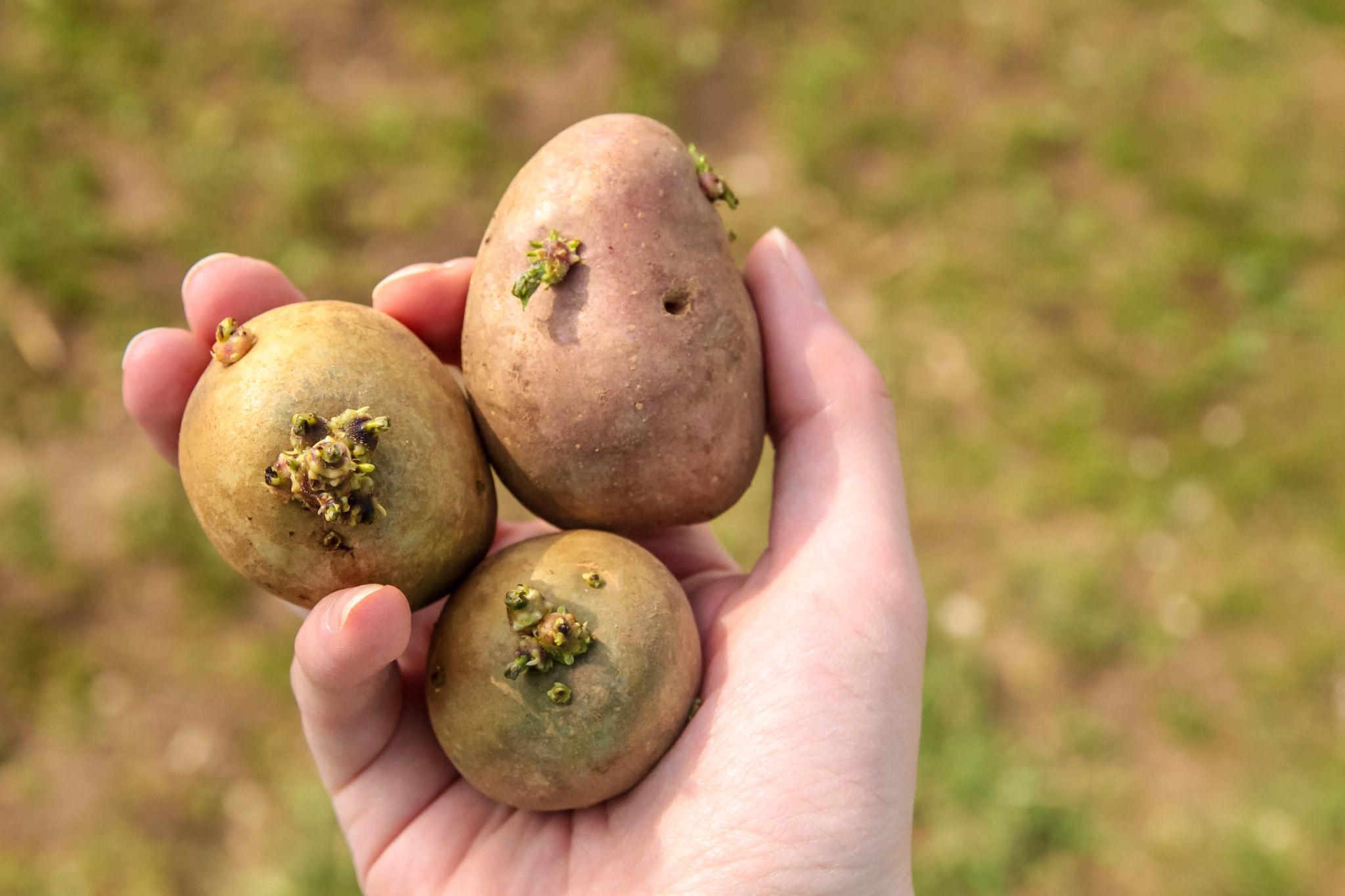
- Tubers (potatoes, dahlias) — can be cut into sections, provided each section contains at least one growth bud or “eye.” Each section will produce a new plant.
- Rhizomes (ginger, bearded iris, bamboo) — spread horizontally underground and can be divided at natural joints. Each section with a growth node will establish independently.
No specialized tools or advanced skills are required. The most important considerations are timing — most are best divided while dormant or just as growth resumes — and ensuring each divided piece is healthy and has viable growth buds before replanting.
7. Tissue Culture — Precision Propagation at Scale
Tissue culture, often called micropropagation, represents the laboratory-based expression of what is asexual propagation taken to its most precise and controlled form. Tiny fragments of plant tissue — in some cases just a cluster of cells — are placed onto sterile nutrient media inside a controlled environment. Under carefully regulated conditions of light, temperature, and nutrition, these fragments regenerate into complete plants.
The advantages at scale are significant. Tissue culture allows for the mass production of genetically uniform, disease-free plants in a fraction of the time required by conventional methods. It is also the primary means of preserving rare and endangered plant species, and the only reliable method for propagating certain plants that resist conventional vegetative techniques.
Orchids, banana plants, ferns, and numerous agricultural staples are now routinely produced this way across the commercial sector. For the vast majority of home gardeners, tissue culture remains outside practical reach — it requires sterile laboratory equipment and technical knowledge. However, for commercial nurseries, conservation organizations, and plant science programs, it is the most scalable and exacting form of asexual plant propagation currently available.
Real-World Applications: Where Asexual Propagation Actually Matters
Understanding what is asexual propagation in theory is useful. Seeing it applied across real industries and everyday situations makes that understanding concrete and relevant.
Home gardeners use vegetative propagation to multiply valued plants, pass them on to friends and neighbors, or simply reduce the cost of filling a garden each year. A single healthy hydrangea, well-managed over a summer, can yield dozens of cuttings — each capable of becoming a fully established plant by the following season.
Commercial nurseries depend on asexual plant propagation methods to produce consistent, uniform stock across large volumes. When a garden center offers 500 plants of the same named holly cultivar, each one was propagated vegetatively. Any genetic inconsistency would undermine the product entirely.
Fruit growers rely on grafting to maintain named varieties across generations. Every Honeycrisp apple tree in production today connects back to a single original tree identified at the University of Minnesota in the 1960s. That lineage has been preserved — and distributed globally — through continuous grafting.
Vineyards offer another clear illustration. The great wine grape varieties — Cabernet Sauvignon, Pinot Noir, Chardonnay — are propagated almost exclusively through hardwood cuttings or grafting. The flavor profile associated with each variety is tied to a specific genetic identity. Change the genetics, and the character of the wine changes with it.
Conservation programs increasingly depend on tissue culture to safeguard endangered plant species. When wild populations face serious risk, tissue culture offers a way to hold the plant’s genetic material in controlled conditions — available for restoration efforts when conditions allow.
Advantages and Disadvantages of Asexual Propagation
Vegetative propagation offers real, tangible benefits — but it also carries limitations that are worth understanding honestly. No method is the right choice in every situation.
Advantages
- Genetic consistency — the propagated plant is an exact genetic copy of the parent, which means every desirable trait is preserved without variation.
- Faster results — vegetatively propagated plants bypass the seedling stage entirely, reaching maturity more quickly than seed-grown equivalents.
- Cost-effective at scale — with a productive parent plant, a large number of offspring can be produced with minimal additional investment.
- No pollination required — particularly valuable for plants with complex or unreliable pollination, or where seed set is inconsistent.
- Preservation of cultivars — a significant number of named varieties produce undesirable seeds, sterile seeds, or no seeds at all. Asexual propagation is often the only viable way to keep these cultivars in circulation.
Disadvantages
- No genetic variation — the same trait that makes clonal propagation so useful also makes it a liability at scale. Genetically uniform populations are highly vulnerable to diseases or pests that target their specific genotype. The Irish Potato Famine serves as one of history’s most sobering illustrations of this risk.
- Disease accumulation — viruses, systemic pathogens, and other plant health problems can transfer directly from parent to offspring through vegetative propagation. This is why certified disease-free stock carries genuine value.
- Limited adaptability — clonal populations cannot evolve in response to changing environmental conditions the way genetically diverse populations can.
- Skill and equipment requirements — while simpler methods are accessible to most gardeners, advanced techniques like grafting and tissue culture require either developed skill, specialized equipment, or both.
Common Mistakes to Avoid When Propagating Plants Vegetatively
Even experienced growers make errors in vegetative propagation — usually from rushing, or from underestimating how sensitive the process can be in its early stages. Here are the most common mistakes, and straightforward ways to avoid them.
Starting with poor-quality material. Taking a cutting from old, woody growth when softwood is called for, or selecting material from a plant that is already showing signs of stress or disease, creates problems before you have even started. Healthy propagation begins with healthy stock.
Allowing cuttings to dry out before rooting. Once removed from the parent plant, stem cuttings begin losing moisture immediately. Prepare your propagation medium in advance, work efficiently, and get cuttings into a humid environment as quickly as possible.
Overwatering during the rooting stage. Excess moisture is probably the most frequent cause of cutting failure. The propagation medium should feel evenly moist — not saturated. Good drainage is not optional; it is essential.
Skipping rooting hormone on difficult species. Many plants will root without hormonal assistance. But for species known to be slow or unreliable, a quality IBA-based rooting hormone meaningfully improves success rates. It is a small investment with a clear return.
Placing cuttings in direct sunlight too early. Without an established root system, a cutting cannot replace water as fast as the leaves lose it through transpiration. Bright, indirect light is the right environment until rooting is confirmed and the plant begins to show new growth.
A Quick Guide to Choosing the Right Propagation Method
Unsure where to start? This reference table matches common plant types to their most reliable vegetative propagation techniques.
| Plant Type | Recommended Method |
|---|---|
| Herbs (basil, mint, rosemary) | Softwood stem cuttings |
| Succulents and cacti | Leaf cuttings, stem cuttings |
| Fruit trees | Grafting onto rootstock |
| Perennial flowers (hostas, daylilies) | Division |
| Climbing shrubs (roses, jasmine) | Layering or hardwood cuttings |
| Potatoes | Tuber division |
| Orchids (commercial scale) | Tissue culture |
| Berry bushes (currants, gooseberries) | Hardwood cuttings |
| Rubber plant, fiddle-leaf fig | Air layering |
Frequently Asked Questions About Asexual Propagation
What is asexual propagation in simple words?
Asexual propagation is the process of growing a new plant from the vegetative parts of an existing one — stems, roots, or leaves — without using seeds or fertilization. The new plant carries the same genetic material as the parent and will share all of its characteristics.
Is asexual propagation the same as cloning?
In practical terms, yes. When a plant is propagated asexually, the resulting offspring is a genetic clone of the parent. Scientists and laboratory professionals tend to use the term “cloning,” while horticulturalists and farmers more commonly say “vegetative propagation” — but both refer to the same biological outcome.
What plants are easiest to propagate asexually?
Succulents, pothos, mint, lavender, and geraniums are among the most forgiving for beginners. They root readily from cuttings with minimal intervention and tolerate a degree of imprecision that other plants would not. Spider plants are particularly accommodating — they produce ready-to-root plantlets naturally on long trailing stems.
Does asexual propagation produce weaker plants?
Not as a general rule. Many asexually propagated plants are vigorous and highly productive — commercial fruit orchards and vineyards are built on them. The real concern is not the individual plant’s strength, but the long-term vulnerability of a genetically uniform population to disease pressure. That is a population-level risk, not a characteristic of any individual plant.
Can all plants be propagated asexually?
The majority can be, though the appropriate method varies considerably between species. A small number of plants are genuinely difficult or impractical to propagate vegetatively and are better grown from seed. Tap-rooted plants such as carrots and parsnips, for instance, do not respond well to cutting-based methods.
What is the fastest method of asexual propagation?
At commercial scale, tissue culture offers the fastest throughput. In everyday garden practice, softwood stem cuttings of responsive species — many herbs, for example — can produce rooted, established plants in as little as two to three weeks under good conditions.
Why Every Grower Deserves to Understand Asexual Propagation
Here is a question worth considering: how many of the plants currently in your garden exist because of asexual propagation? If you have fruit trees, purchased perennials, named rose varieties, or standard houseplants bought from a nursery, the honest answer is almost certainly: most of them.
Understanding what is asexual propagation goes beyond technique. It connects the practice of growing plants to a much longer history — one that stretches from early agricultural communities dividing root crops to ensure next season’s harvest, all the way through to modern tissue culture laboratories producing tens of thousands of orchids from single parent plants.
What is asexual propagation, in its most essential form? It is the practice of working with a plant’s own biology to carry life forward — precisely, deliberately, and reliably. It is both a skill and a science, and once you have rooted your first cutting or divided your first perennial clump, it tends to become something you want to keep doing.
The methods covered in this article span the full range of experience — from the beginner-accessible (leaf cuttings, division, runners) to the technically demanding (grafting, air layering, tissue culture). There is no need to pursue all of them at once. Start where you are. Choose a plant you know well, identify the propagation method best matched to its biology, and try it this season.
Conclusion: Start Where You Are, and Build From There
Asexual propagation is the kind of subject that rewards curiosity. It begins with a simple idea — plants can be reproduced without seeds — and expands steadily the more you engage with it. What is asexual propagation? It is a fundamental biological process. It is the backbone of commercial horticulture. It is a conservation strategy. And for many growers, it becomes one of the most genuinely satisfying aspects of working with plants.
The practical step is a simple one: identify a plant you already grow and value, determine the vegetative propagation technique best suited to that species, and attempt it before the growing season passes. No laboratory is required. No specialist equipment is essential for most methods. A sharp blade, moist compost, a small enclosure to retain humidity, and a degree of patience will take you further than you might expect.
Once you have watched a leafless stem push out its first roots — and known that you created the conditions for that to happen — you will understand why this practice has been passed down through generations of growers. And you will very likely want to do it again.