Your plants are yellowing from the bottom up. Growth has slowed to almost nothing. The lawn looks patchy and pale despite consistent watering all season. Sound familiar? In most cases, this is not a watering problem at all — your soil is running low on nitrogen, and reaching for the wrong fertilizer at this point could set you back further rather than move things forward.
Nitrogen is the single most important macronutrient for plant growth. It drives leaf development, powers photosynthesis, and gives plants that rich, dark-green color every gardener is working toward. But here is the thing — not every nitrogen source performs the same way, and the difference between a good result and a frustrating one often comes down to which product you chose and how you applied it. Picking the right fertilizer rich in nitrogen for your specific plants, soil type, and season makes all the difference between genuine growth and wasted effort.
This guide covers it all — from the science behind how plants absorb nitrogen to the seven best nitrogen fertilizers available right now, along with the application mistakes that are surprisingly easy to make.
Why Nitrogen Matters More Than Any Other Nutrient
Every fertilizer label carries three numbers — the N-P-K ratio. That first number represents nitrogen. It tells you the percentage of nitrogen in the product by weight, and it is the figure worth paying the most attention to when your plants are struggling.
Nitrogen fuels the production of chlorophyll, the green pigment that makes photosynthesis possible. Without sufficient nitrogen, plants begin redirecting their energy away from leaf development and toward basic survival. What follows is predictable — yellowing leaves, stunted shoots, and disappointing yields at harvest.
What makes nitrogen particularly difficult to manage is that it does not stay put in the soil the way other nutrients do. Unlike phosphorus, which binds firmly to soil particles, nitrogen leaches downward with rainwater and escapes into the atmosphere through a process called volatilization. This is exactly why consistent feeding matters, especially during the peak growing season when plant demand is at its highest.
What Nitrogen Deficiency Looks Like
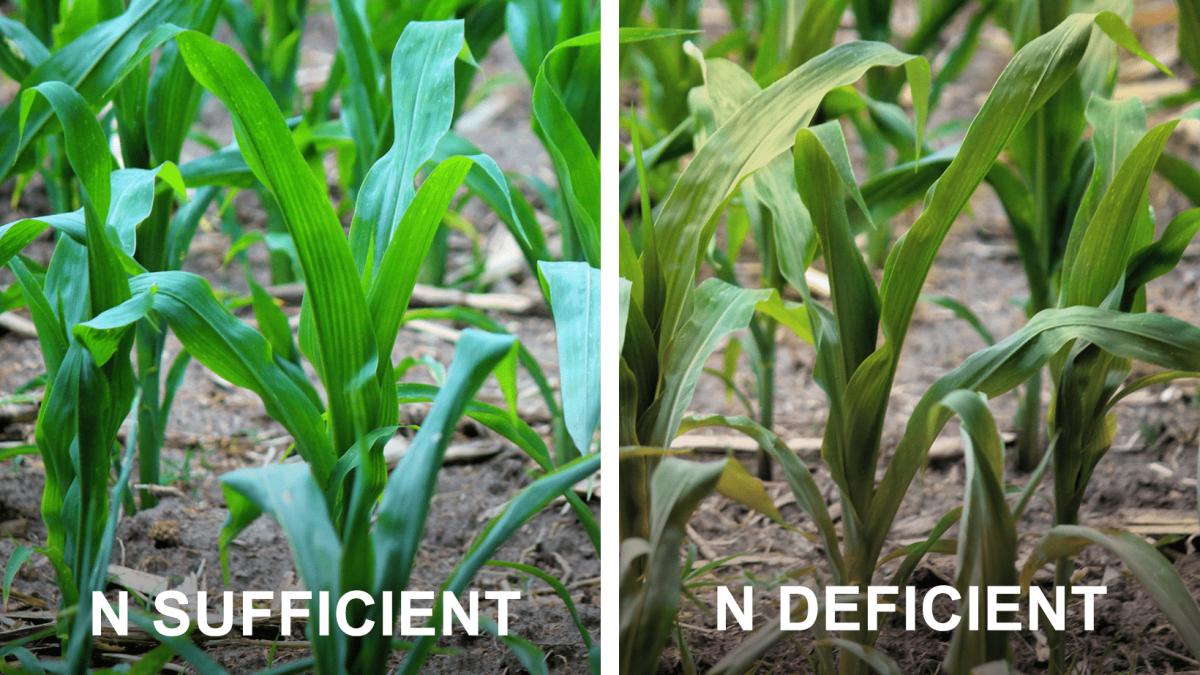
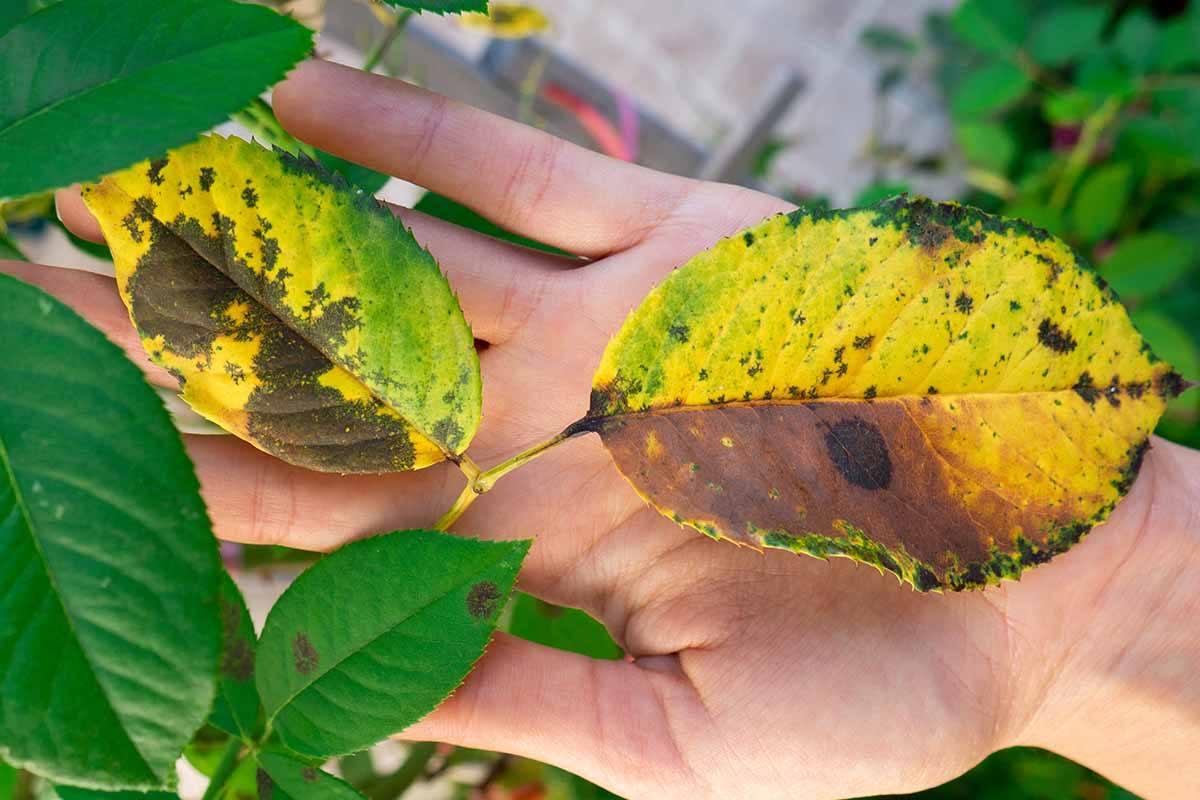
Before reaching for any nitrogen fertilizer for plants, it helps to confirm that nitrogen is actually the issue. A few clear signs point in that direction:
- Yellowing of older, lower leaves first — when nitrogen runs short, plants pull it from older tissue and redirect it toward new growth
- Slow, stunted growth that continues even with regular watering
- Pale green or lime-colored foliage spread across the entire plant
- Thin, weak stems and noticeably reduced flowering or fruiting
- Lawn with uneven, patchy color and sparse grass blades that lack density
A straightforward soil test — available at most garden centers for under $20 — can confirm nitrogen levels with reasonable accuracy. It takes the guesswork out of the situation entirely, which is always a good place to start.
The 7 Best Fertilizers Rich in Nitrogen
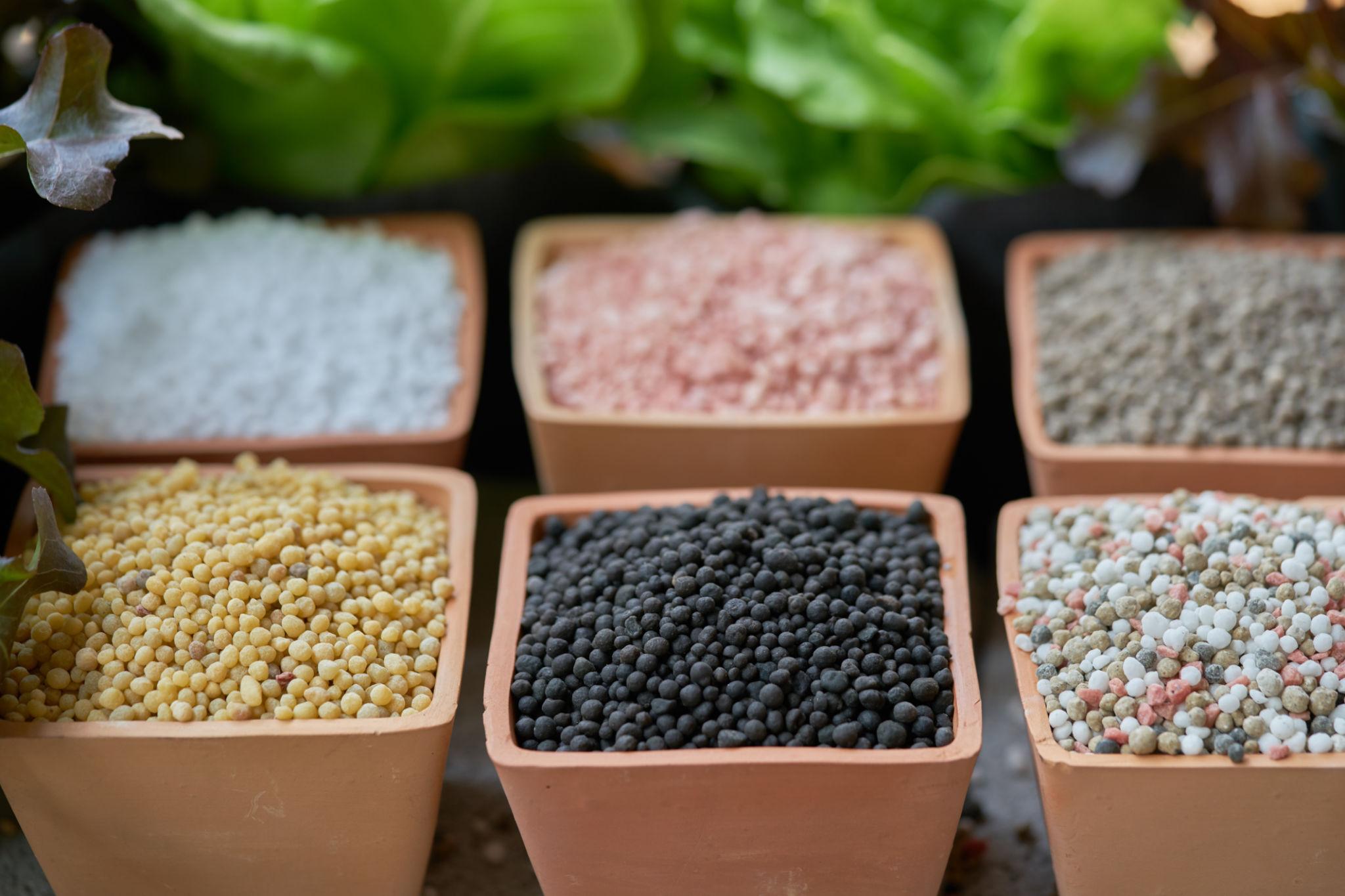
Not all nitrogen fertilizers behave the same way in the soil. Some release quickly and show results within days. Others work slowly over an entire season. Some are synthetic, others are completely organic. The goal here is to match the right product to your actual conditions rather than simply choosing the highest number on the label.
1. Urea (46-0-0) — Highest Nitrogen Content Available
Urea is the most concentrated fertilizer rich in nitrogen widely available to both home gardeners and commercial growers. At 46% nitrogen by weight, it delivers more nutrient per pound than almost any alternative. It is synthetic, relatively affordable, and has been a cornerstone of agricultural production for decades.
Once urea reaches moist soil, it converts to ammonium through a chemical process called hydrolysis, then shifts further into nitrate — the form plants actually take up through their roots. The conversion takes a few days, so the response is not immediate, but when conditions are right, it is strong and consistent.
Best for: Lawns, large vegetable gardens, agricultural fields Watch out for: Applying too close to the root zone, or during periods of high heat. Urea can cause burn and volatilize rapidly in hot, dry conditions. Water it in thoroughly right after application to minimize loss.
2. Blood Meal (12-0-0) — Fast-Acting Organic Option
Blood meal is a dried byproduct of meat processing and one of the most nitrogen-dense organic fertilizers a gardener can use. With approximately 12–13% nitrogen, it becomes available to plants relatively quickly — typically within a week of application, which is fast for an organic source.
There is also a practical secondary benefit worth mentioning: its strong smell acts as a natural deterrent for rabbits, deer, and other animals that tend to cause damage in garden beds. Many gardeners who have dealt with persistent pest problems end up relying on blood meal for both purposes.
Best for: Vegetable beds, fruiting plants, situations that call for a quick green-up Watch out for: Over-application. Excess blood meal can acidify soil and cause plant burn. Follow label rates closely and water in after each application.
3. Ammonium Nitrate (34-0-0) — Fast and Direct
Ammonium nitrate is a well-established fertilizer rich in nitrogen that has been used in commercial farming for generations. Its 34% nitrogen content is split between two distinct forms — ammonium and nitrate — giving plants an immediate response from the nitrate portion while the ammonium fraction provides a more sustained follow-through.
Best for: Field crops and pastures that need a rapid nutritional response; particularly effective during cooler growing conditions Watch out for: This product is regulated in a number of regions because of safety considerations. Always store it properly, and check your local regulations before purchasing.
4. Fish Emulsion (5-2-2) — Gentle, All-Purpose Organic Feed
Fish emulsion carries only 5% nitrogen, which is modest compared to synthetic alternatives. But what it lacks in concentration it compensates for through its broader effect on soil biology. The amino acids, trace minerals, and organic compounds in fish emulsion support soil microbial activity, which gradually improves the soil’s overall ability to hold and release nutrients.
It is a particularly popular choice among gardeners growing edibles who want to stay away from synthetic inputs entirely. The smell is noticeable — and that is putting it politely — but it fades within a day or two after application, so it is a temporary inconvenience rather than a lasting one.
Best for: Seedlings, herbs, container plants, organic garden systems Best applied as: A liquid drench diluted in water at roughly 1–2 tablespoons per gallon
5. Compost + Composted Manure — Slow and Steady
Composted manure — from chickens, cattle, or horses — is one of the most sustainable and broadly beneficial sources of nitrogen for home gardens. Chicken manure, with an approximate ratio of 3-2-2, is the most nitrogen-dense of the common options, though all forms contribute meaningfully to both soil fertility and soil structure over time.
The key distinction here is that composted manure releases nitrogen slowly, often over many months. This makes it a strong choice as a foundational soil amendment at the beginning of a growing season, rather than a quick fix for a plant already showing deficiency symptoms.
Best for: Long-term soil improvement, raised bed preparation, vegetable and perennial gardens Avoid: Fresh, uncomposted manure. The ammonia concentration in raw manure can burn plants severely, and there is a real risk of introducing pathogens into edible gardens.
6. Ammonium Sulfate (21-0-0) — Good for Alkaline Soils
Ammonium sulfate contains 21% nitrogen and carries a secondary benefit that many gardeners overlook — it gradually lowers soil pH. This makes it a particularly smart choice in regions with naturally alkaline or high-pH soils, where standard fertilizers often underperform because nutrient availability is limited by soil chemistry. Blueberries, azaleas, and turfgrass growing in limestone-heavy ground often show a noticeable improvement when this product is introduced.
The sulfur content also plays a supporting role in plant protein synthesis, making ammonium sulfate a well-rounded option for soils that test low on both nitrogen and sulfur simultaneously.
Best for: Acid-loving plants, alkaline or high-pH soils, established lawn renovation Apply: Early spring or fall; hold off during extended drought to avoid unnecessary stress
7. Slow-Release Coated Fertilizers (e.g., Osmocote) — Set It and Forget It
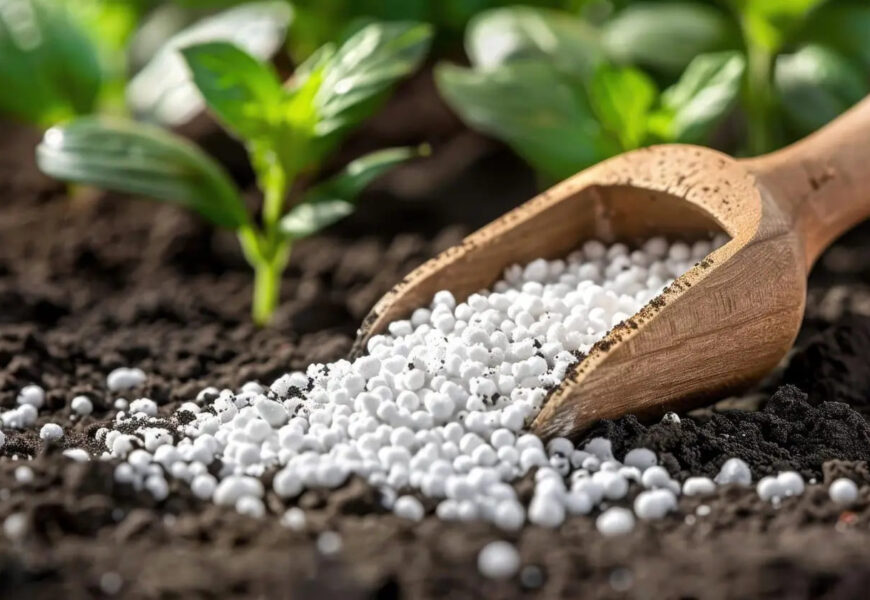
Products like Osmocote use polymer coatings to control the rate at which nitrogen becomes available in the soil — typically releasing nutrients steadily over a three to six month window. For gardeners who cannot commit to a regular feeding schedule, or for container plants where nutrients flush out quickly with each watering, this kind of slow-release nitrogen fertilizer offers a practical and low-maintenance solution.
One useful feature of temperature-controlled release is that it naturally aligns with plant growth cycles — warmer soil speeds up the release rate, which corresponds closely with periods of peak plant demand.
Best for: Container plants, perennial beds, ornamental plantings Best applied: Mixed directly into soil at planting time, or top-dressed around established plants before the growing season begins
Comparing Nitrogen Fertilizers at a Glance
| Fertilizer Type | N Content | Release Speed | Organic? | Best Use Case |
|---|---|---|---|---|
| Urea | 46% | Medium (3–5 days) | No | Lawns, field crops |
| Blood Meal | 12–13% | Fast (1 week) | Yes | Vegetables, fruiting plants |
| Ammonium Nitrate | 34% | Fast | No | Commercial crops, pasture |
| Fish Emulsion | 5% | Fast | Yes | Seedlings, containers |
| Composted Manure | 2–5% | Slow (months) | Yes | Soil amendment, raised beds |
| Ammonium Sulfate | 21% | Medium | No | Alkaline soils, lawns |
| Slow-Release Coated | 14–18% | Very slow (3–6 mo) | No | Containers, ornamentals |
How to Apply Fertilizer Rich in Nitrogen Correctly
Even a well-chosen fertilizer rich in nitrogen can underperform — or cause real damage — when applied without attention to timing, rate, and soil conditions. These are the practical guidelines that experienced growers follow consistently.
Timing Is Everything
Nitrogen feeding works best when it aligns with what the plant is actually doing:
- Apply nitrogen fertilizers during active growth periods — generally spring through early summer for most plant types
- Avoid late-fall feeding, which can stimulate soft new growth that will not survive the first frost
- Water the soil before application on dry days, and water in thoroughly afterward to move nitrogen into the root zone and reduce burn risk
Getting the Rates Right
One of the most common errors gardeners make is assuming that more nitrogen automatically produces better results. It does not. Excess nitrogen drives rapid leafy growth while suppressing root development, flower production, and fruit set. Beyond the plant itself, over-application contributes to nitrogen leaching into groundwater — an environmental concern with real consequences downstream.
For most lawns and vegetable gardens, 1 pound of actual nitrogen per 1,000 square feet per application is a reasonable and widely accepted starting point. Always confirm the math based on the N percentage listed on the product label before applying.
Soil Testing: The Step Most Gardeners Skip
A soil test provides concrete data — exactly which nutrients are deficient, which are adequate, and what the pH looks like. Applying nitrogen to soil that already has sufficient levels is not just wasteful; it can actively harm the plants you are trying to feed.
Testing is particularly worthwhile before establishing a new garden bed, after a difficult or unproductive growing season, or every two to three years as a standard maintenance check. Most local cooperative extension offices offer this service at a low cost, and the information they return is genuinely actionable.
Real-World Example: Fixing a Nitrogen-Deficient Lawn
A homeowner in the Midwest began noticing yellow patches spreading across his lawn every July. His first assumption was drought stress, so he increased his watering schedule. Several weeks passed, and the problem did not improve. A soil test eventually revealed two compounding issues — low nitrogen levels and elevated soil pH — which together were limiting the grass’s ability to absorb the nutrients already present in the soil.
The solution was straightforward once the problem was properly identified. Ammonium sulfate applied at the recommended label rate in early September addressed both issues simultaneously, and overseeding filled in the bare patches. By the following spring, the lawn had recovered to a consistent, healthy color across the entire area. The sulfur in the fertilizer worked gradually on the pH, while the nitrogen provided the recovery push the grass needed heading into dormancy.
The broader takeaway is worth applying to any garden situation: before reaching for any fertilizer rich in nitrogen, take the time to identify what is actually happening in the soil. Treating visible symptoms without addressing the underlying cause leads to repeated applications, continued frustration, and avoidable expense.
Organic vs. Synthetic Nitrogen Fertilizers — Which Should You Choose?
This is a question that comes up often, and the honest answer is that neither category is universally better. The right choice depends on what you are growing, how quickly you need results, and what your long-term goals are for the soil.
Synthetic nitrogen fertilizers respond faster, cost less per unit of nitrogen delivered, and are straightforward to calculate. When a plant is visibly deficient and needs nutritional support within days, synthetic options are generally the more practical choice.
Organic nitrogen fertilizers take a broader view. They feed the soil ecosystem alongside the plant — supporting microbial communities that improve nutrient cycling, water retention, and overall soil structure over time. For edible gardens especially, many growers prefer organic sources because they want to minimize synthetic chemical exposure around food crops.
A practical middle ground that many experienced gardeners settle on: use composted manure or a slow-release organic product as a seasonal baseline, then supplement with targeted synthetic applications when plants show clear signs of deficiency. This approach builds soil health progressively without sacrificing responsiveness when it matters.
FAQs About Nitrogen-Rich Fertilizers
Can I use too much fertilizer rich in nitrogen?
Yes — and it happens more often than most gardeners expect. Excess nitrogen leads to fertilizer burn, which shows up as brown, scorched leaf tips and margins. In serious cases, over-application can kill plants. Beyond the direct plant damage, too much nitrogen promotes rapid, soft vegetative growth while reducing flower and fruit production. The standard advice applies here: follow label instructions, start conservatively, and let a soil test guide your quantities.
What is the fastest-acting fertilizer rich in nitrogen?
Liquid nitrogen fertilizer products — including fish emulsion, liquid urea, and diluted foliar sprays — are absorbed most rapidly by plants. Foliar applications delivered directly to the leaf surface can produce visible improvement within 48 to 72 hours under good conditions. For soil-applied solid products, ammonium nitrate and blood meal are among the quickest to show results.
Is fertilizer rich in nitrogen good for all plants?
Not equally. Heavy feeders — corn, leafy vegetables, and turfgrass in particular — respond strongly to high-nitrogen feeding throughout their growing cycle. Flowering annuals, legumes, and root vegetables generally perform better with more balanced nutrient ratios. Tomatoes are a good example of a plant that can be damaged by excess nitrogen: the result is lush, dark foliage but poor fruit set and reduced yields.
When should I stop applying nitrogen fertilizer?
For most garden plants and lawns, the general recommendation is to end nitrogen applications four to six weeks before the first expected frost in your area. This allows plants enough time to slow their growth naturally and prepare for dormancy, rather than producing new tissue that cold temperatures will damage.
Can organic matter replace nitrogen fertilizer?
Over a number of seasons, yes — with consistent effort. Regular additions of compost, the use of cover crops, and mulching with organic material all contribute to a self-sustaining nitrogen cycle within the soil. Leguminous plants like clover, peas, and field beans are particularly effective because they fix atmospheric nitrogen directly into the root zone. These practices reduce dependence on purchased fertilizers over time, though they require patience and planning rather than delivering immediate results.
Conclusion: Feed Smart, Not Just Often
Nitrogen is central to nearly every growth process happening in your garden — from early leaf development through to flowering, fruiting, and root expansion. But feeding plants effectively means understanding what they actually need at each stage, not simply applying the strongest product available and hoping for the best.
The most reliable approach begins with a soil test. From there, select the right fertilizer rich in nitrogen for your specific situation — whether that means fast-acting blood meal for a vegetable bed showing deficiency symptoms, slow-release coated granules for containers that need consistent feeding through the season, or urea for a large lawn area that requires a meaningful green-up in the shortest practical time. Apply at the appropriate time, water it in properly, and keep notes on what worked. Those records become more valuable each season.
The gardeners who consistently get strong results are not necessarily the ones with the largest budgets or the most complex feeding programs. They are the ones who observe carefully, respond to evidence, and treat their soil as a living system that rewards genuine attention over time.
Your plants communicate what they need. With the right knowledge in hand, you are now in a much better position to respond.